


Francisco Epelde: Cardiac Lymphatic System as an Active Regulator of Myocardial Homeostasis
Francisco Epelde, Attending Physician, internal Medicine Service at Parc Taulí University Hospital, posted on LinkedIn about his recent article, published in Medical Sciences, adding:
“I am pleased to share my latest article, ‘Cardiac Lymphatic Dysfunction in Heart Failure: A New Paradigm for Congestion, Inflammation, and Therapy,’ published in Medical Sciences.
Heart failure has traditionally been understood through hemodynamic, neurohormonal, and cardiorenal models.
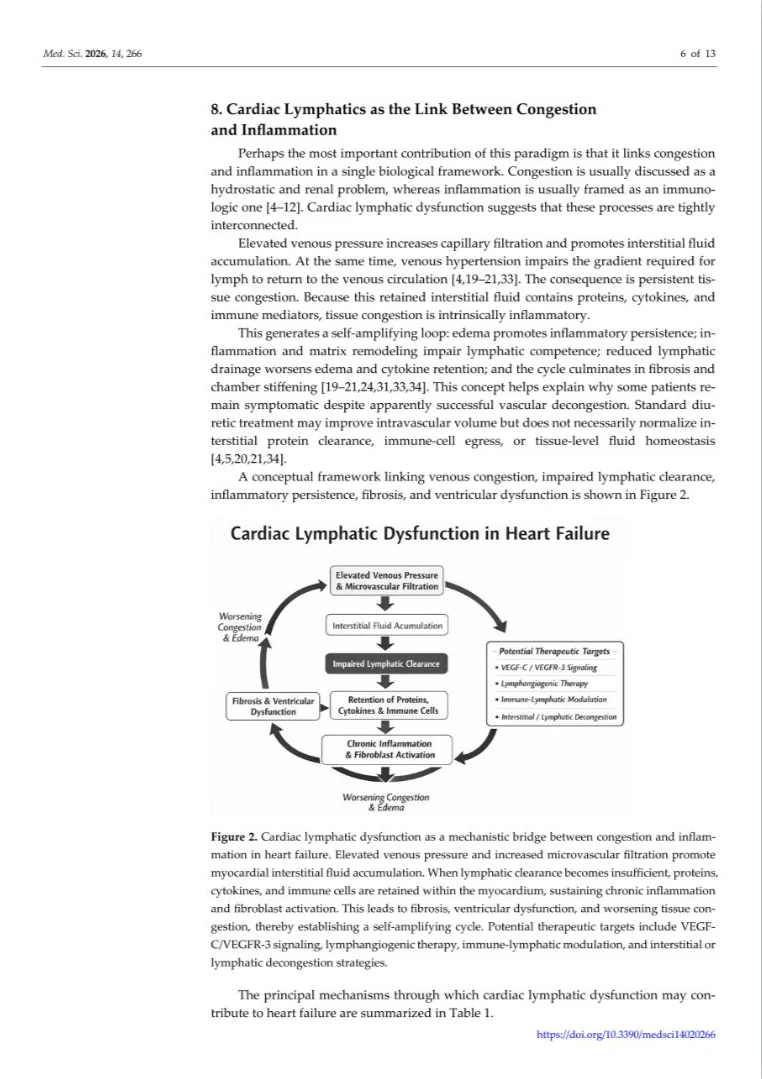
However, these frameworks do not fully explain persistent tissue congestion, unresolved myocardial edema, chronic inflammation, and progressive fibrosis despite optimized therapy.
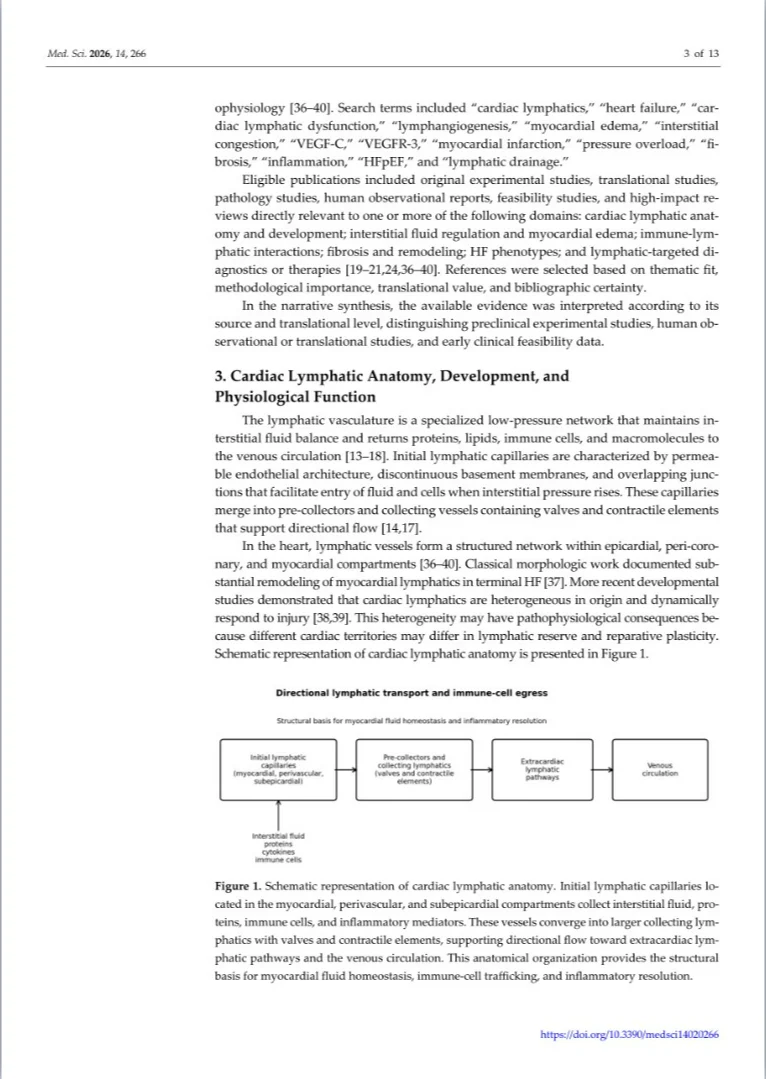
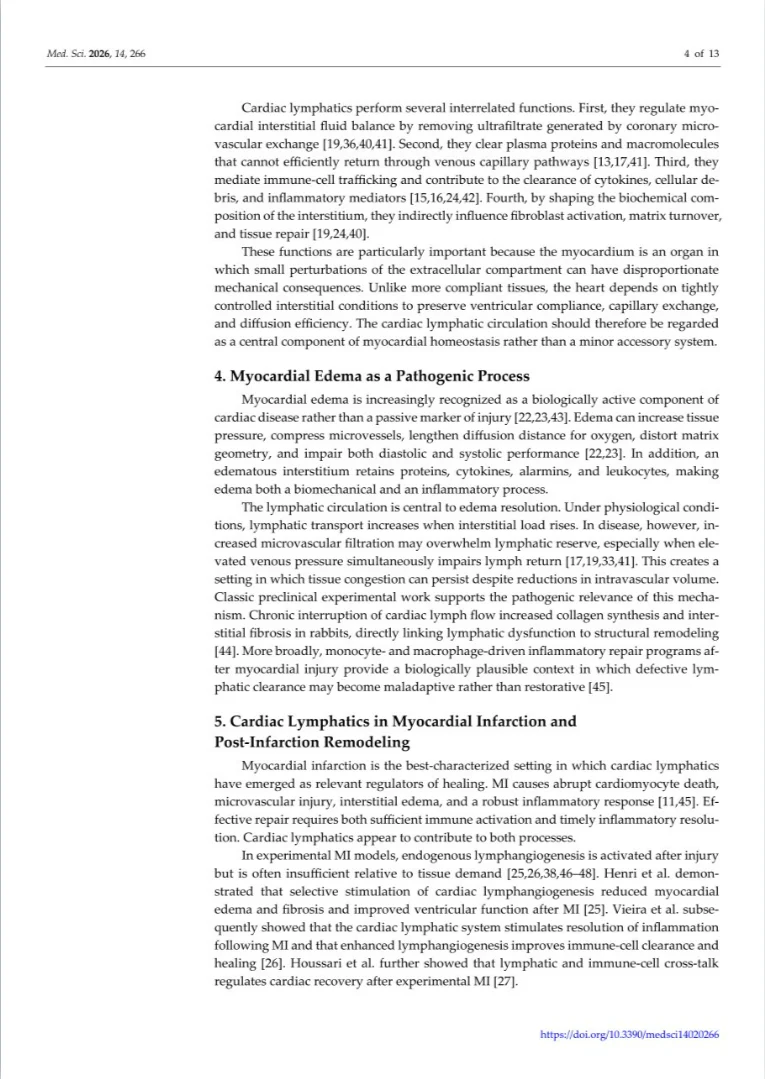
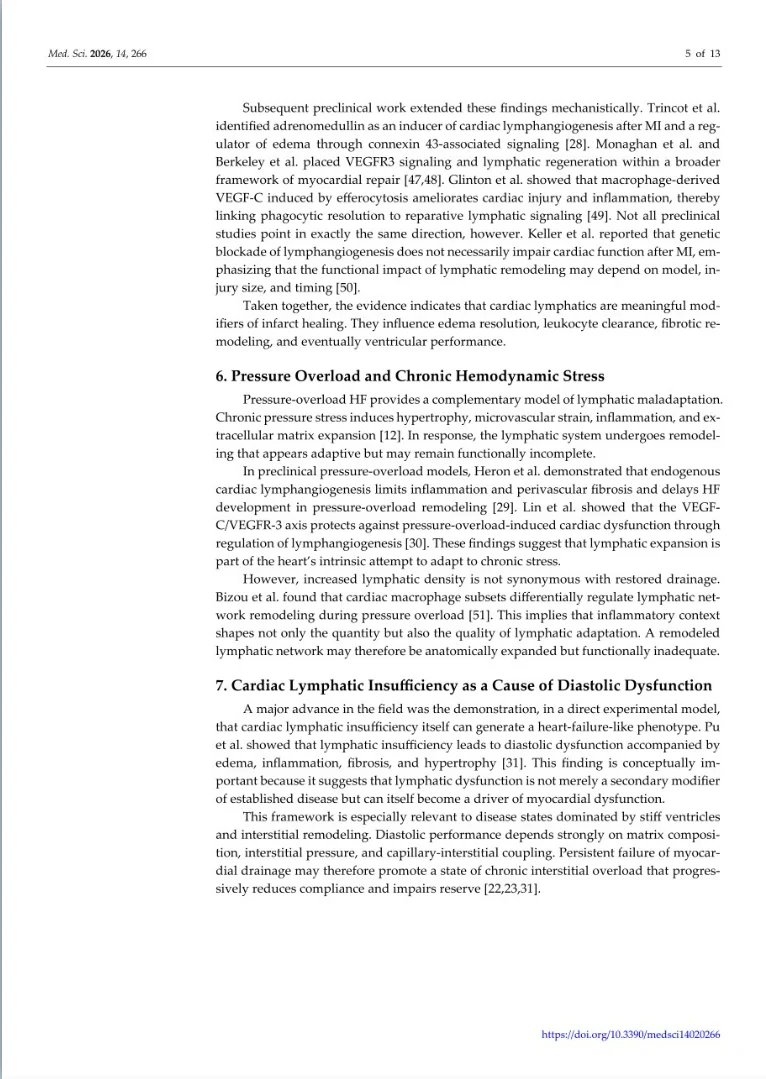
In this review, I explore the cardiac lymphatic system as an active regulator of myocardial homeostasis.
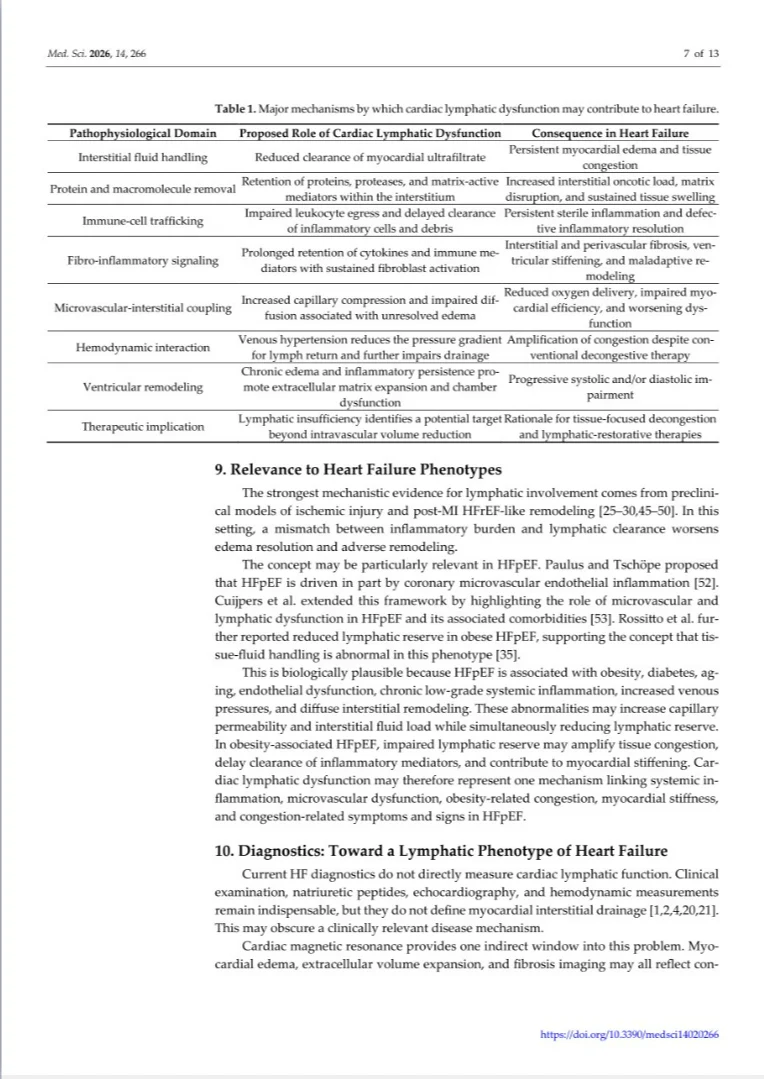
Rather than being a passive drainage network, cardiac lymphatics may play a central role in linking congestion, inflammation, fibrosis, and ventricular dysfunction.
The article highlights emerging evidence suggesting that lymphatic dysfunction could represent a missing mechanistic bridge in heart failure pathophysiology, while also opening new possibilities for diagnosis, phenotyping, and future therapeutic strategies focused on tissue-level decongestion and lymphatic repair.
Although clinical translation remains investigational, recognizing lymphatic insufficiency as part of the heart failure process may help us rethink how we understand congestion and myocardial remodeling.
I hope this review contributes to the growing discussion around new biological paradigms in heart failure.”
Title: Cardiac Lymphatic Dysfunction in Heart Failure: A New Paradigm for Congestion, Inflammation, and Therapy
Author: Francisco Epelde
Stay updated on all scientific advances with Hemostasis Today.
-
Oct 22, 2026, 10:01Matthew Hazell: AABB 2026 – Beyond the Antibody Screen in Complex Immunohematology Reference Testing
-
Oct 22, 2026, 09:54Dr. Geoffrey Barnes Highlights Blood Clot Risks Following NFL Star Jalen Hurts’ Diagnosis – ISTH
-
Oct 22, 2026, 09:45Louise St. Germain Bannon: Closing the Awareness Gap in Women’s Health and Blood Clot Risks
-
Oct 22, 2026, 09:37Raghavendra Rao: Where Does the Great Saphenous Vein Terminate? Test Your Anatomy Knowledge
-
Oct 22, 2026, 09:32Gashaw Arega Mekonnen: Expansion of Pediatric Hematology and Oncology Services in Ethiopia
-
Oct 22, 2026, 09:23World Thrombosis Day Walk on a Beautiful Morning in Auckland – THANZ
-
Oct 22, 2026, 06:43Giacomo Buso: Lifelong Carotid Risk vs. Late-Stage Trial Neutrality
-
Oct 22, 2026, 06:35Aastha Gupta: Navigating the Diagnostic Challenge of Restricted NK-Cell Repertoires in Flow Cytometry
-
Oct 22, 2026, 06:25Ahmed Alotaibi: Platelet Refractory, But HLA-negative – What Are You Missing?