


Jan Sloves: Pelvic Venous Insufficiency in Atypical and Recurrent Varicose Veins
Jan Sloves, President and Consultant at Vascular Imaging Professionals LLC, shared a post on LinkedIn about a recent article by Joana Storino et al, adding:
”In day‑to‑day venous lab practice, I still see pelvic venous insufficiency being under‑recognized in women who present with ‘atypical’ or recurrent varicose veins.
The issue is not the technology; it’s that our mapping remains too focused on the saphenous trunks and junctions and not enough on how pelvic reflux actually reaches the leg.
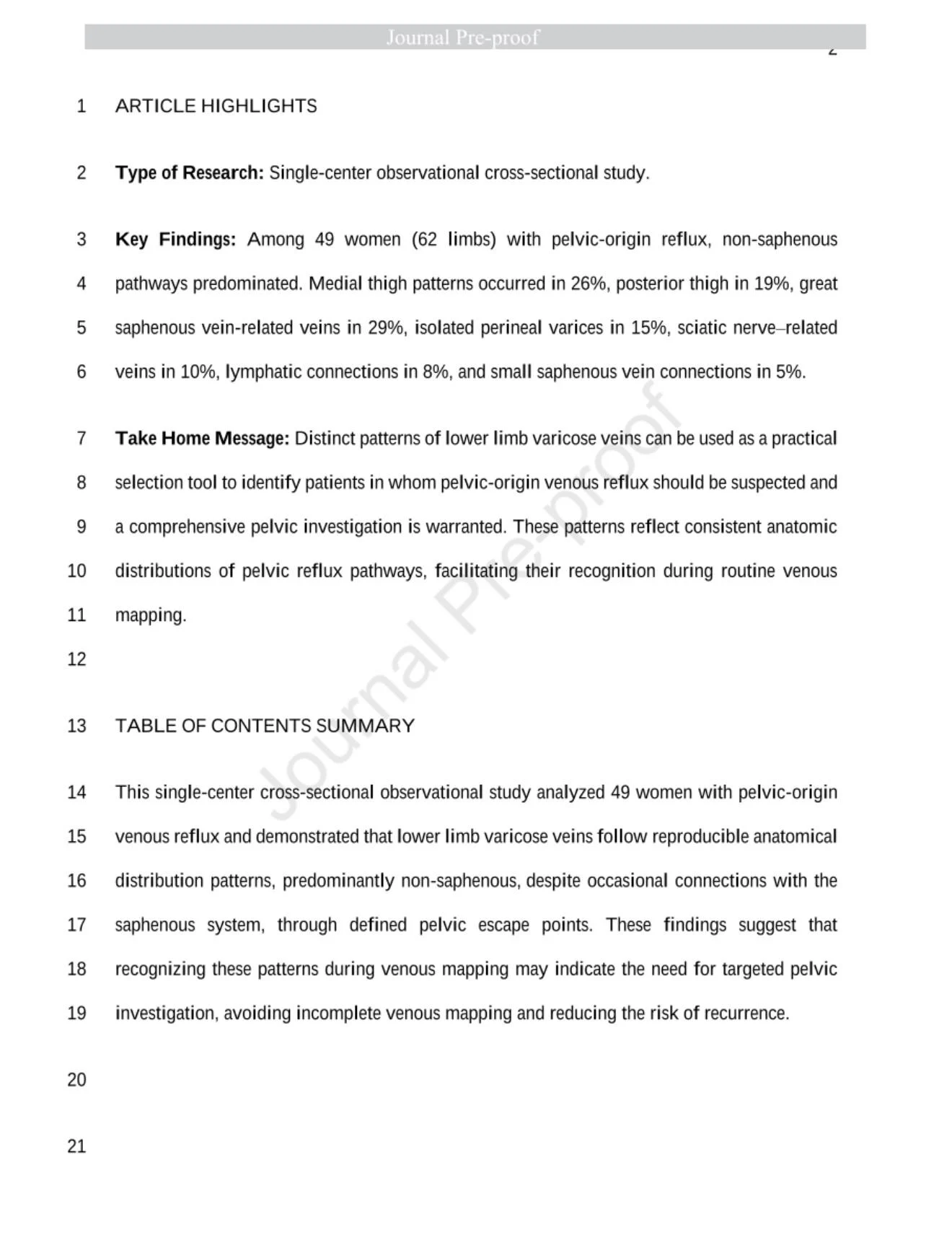
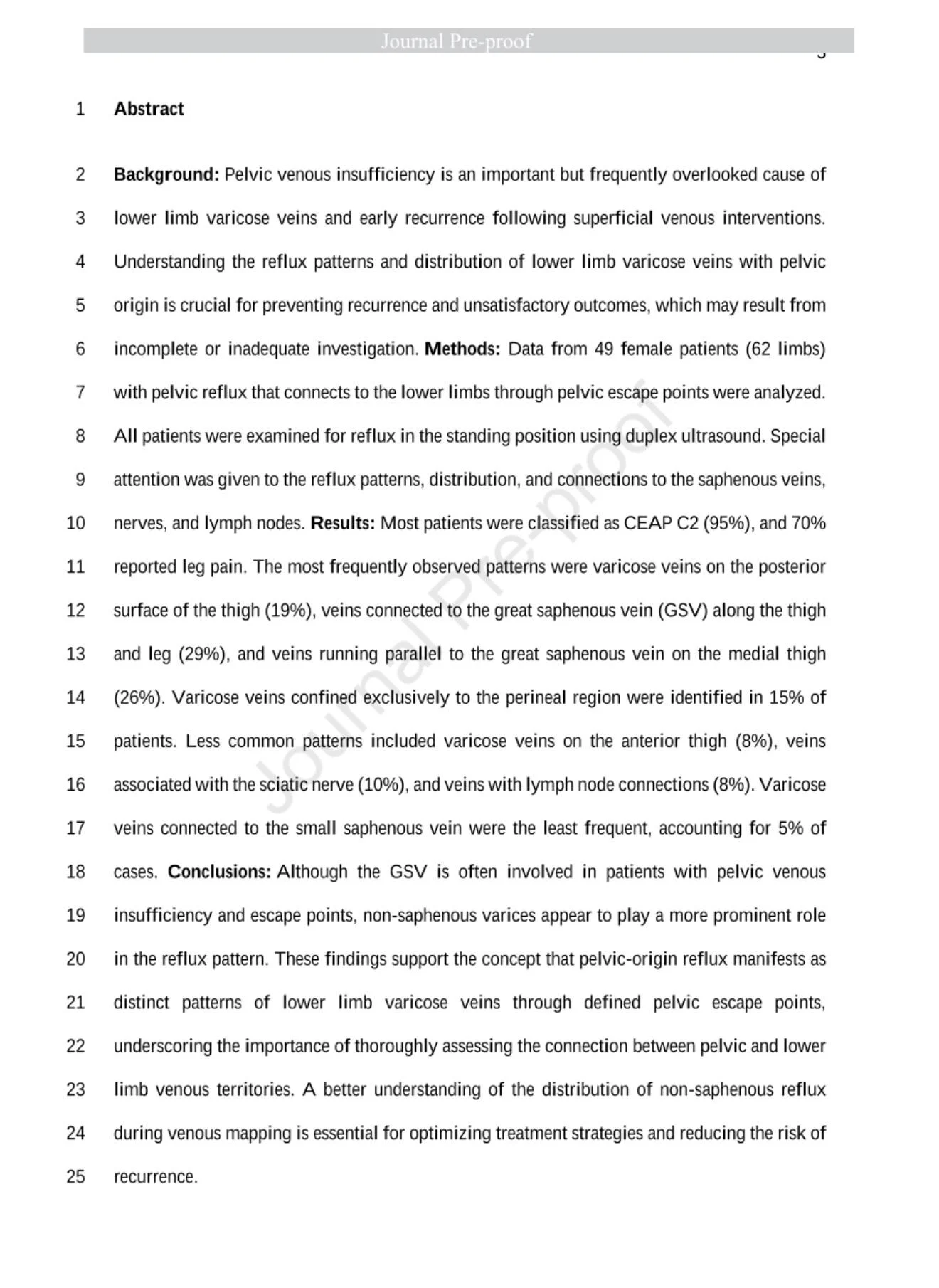
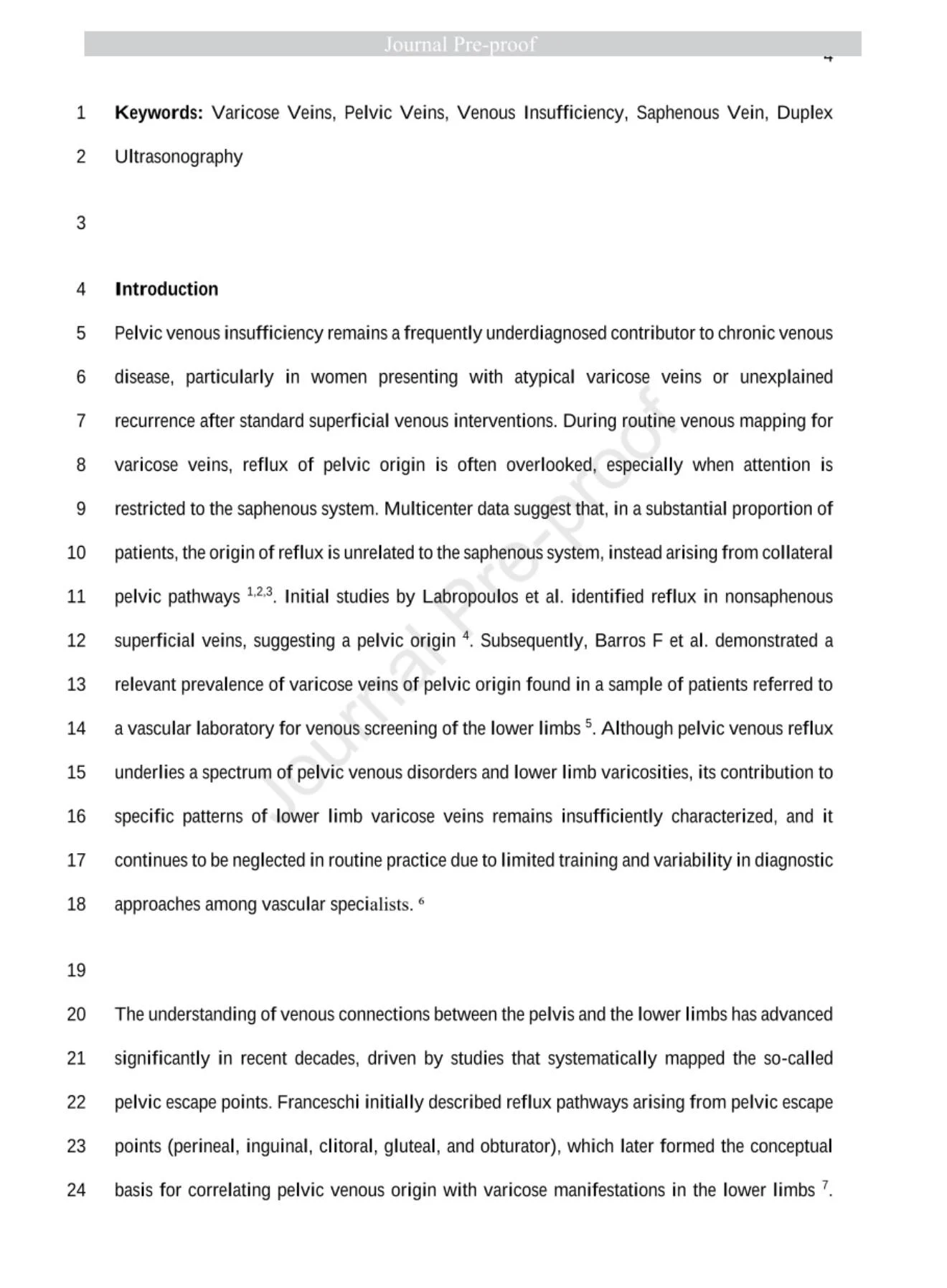
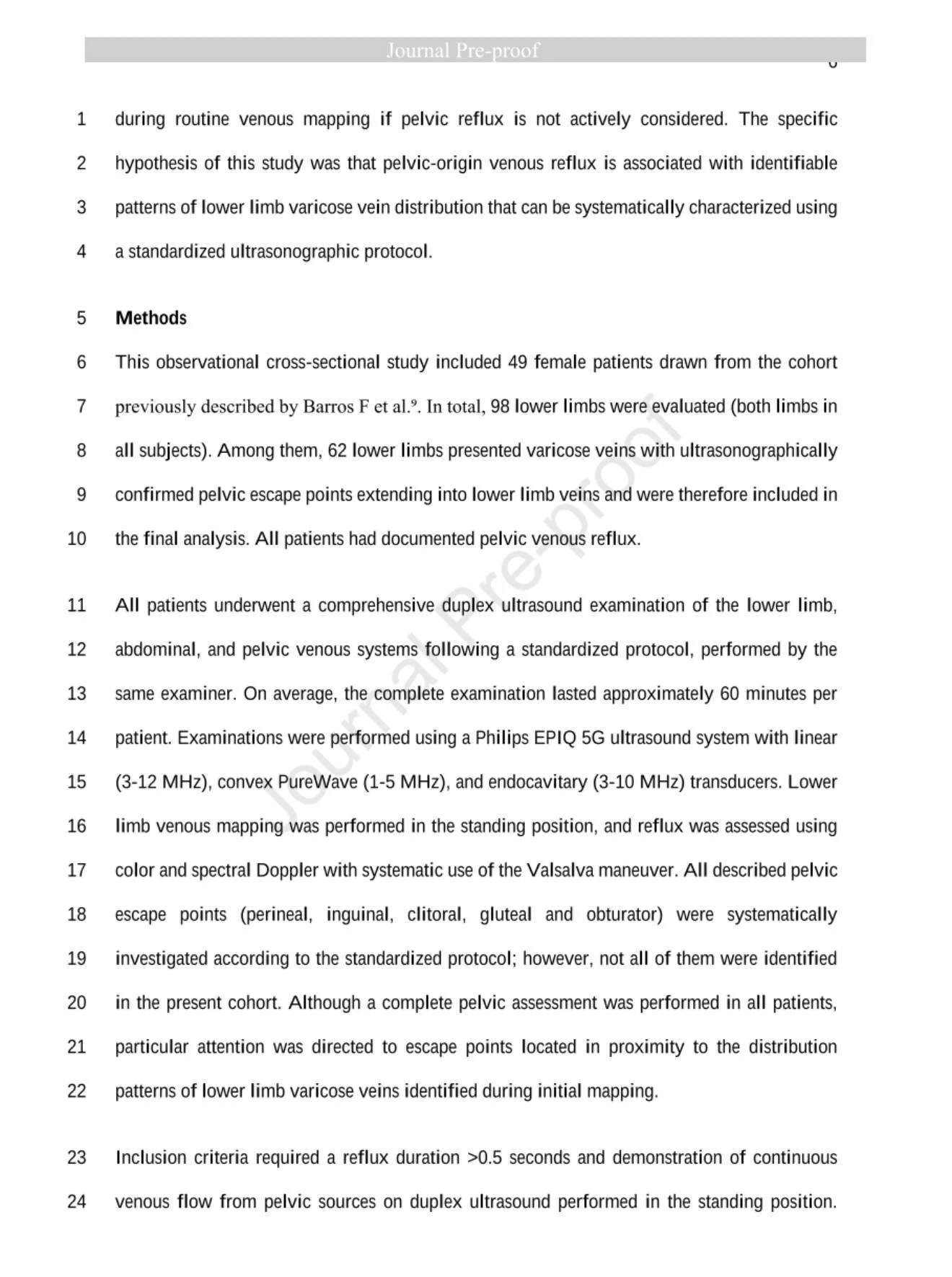
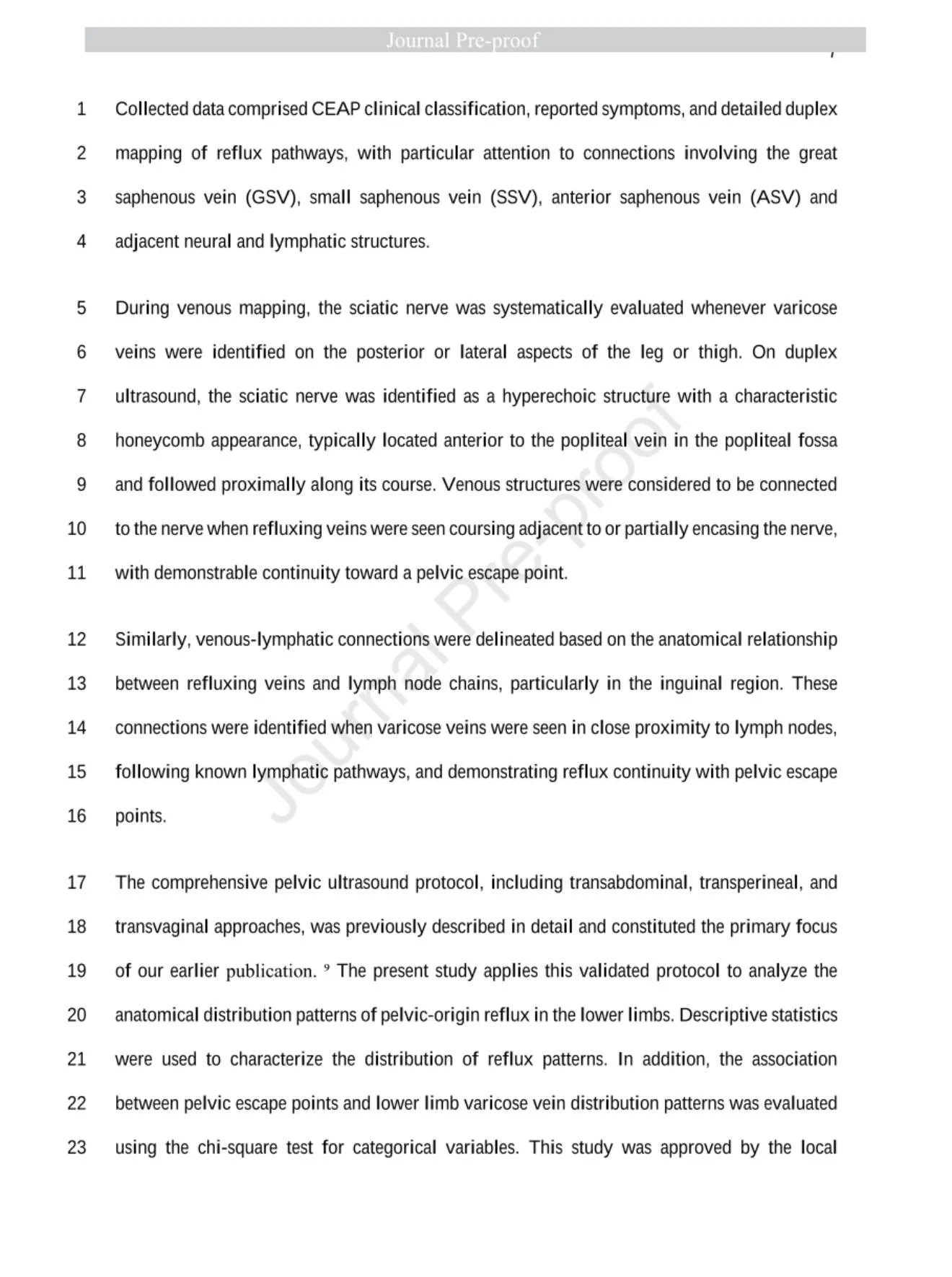
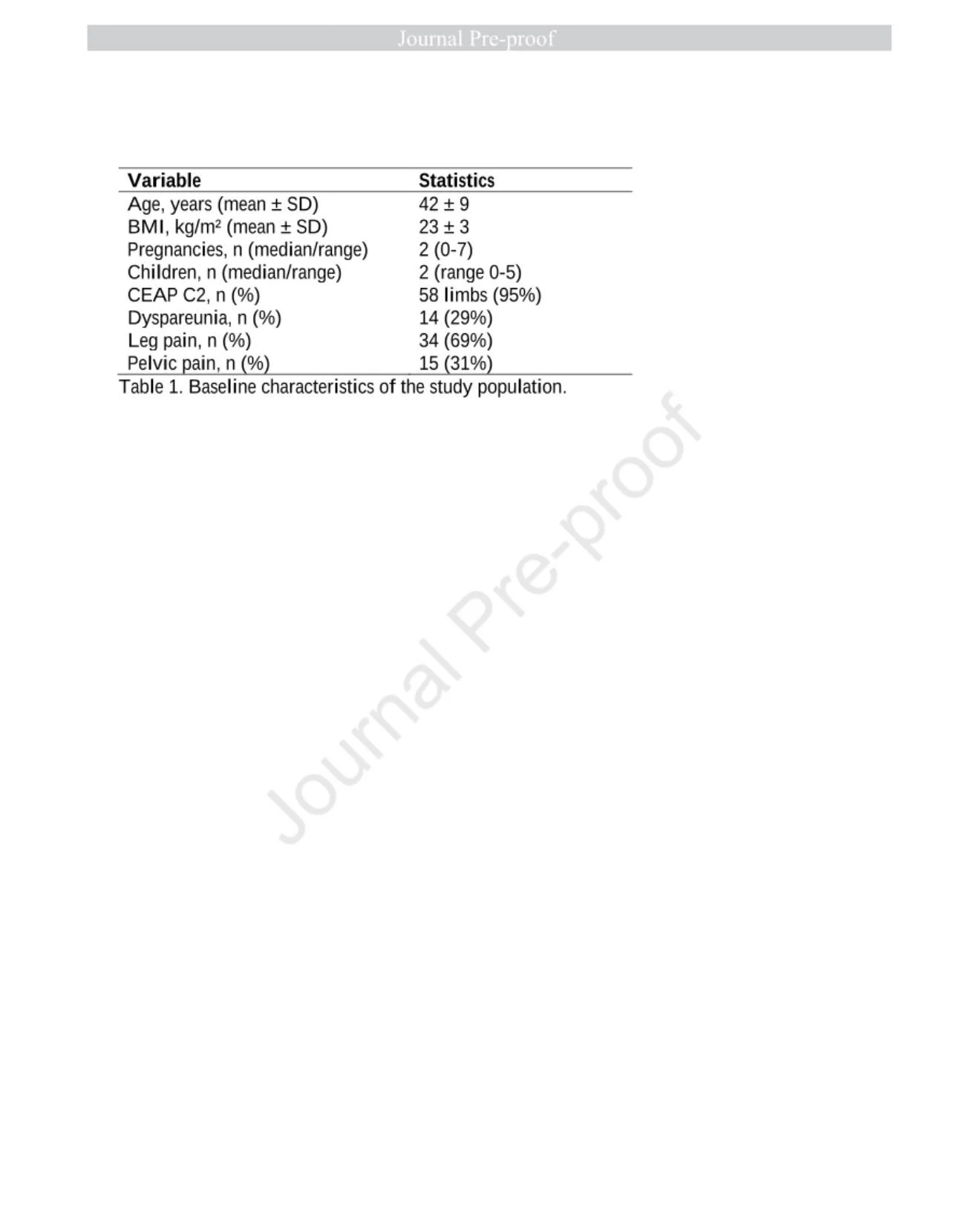
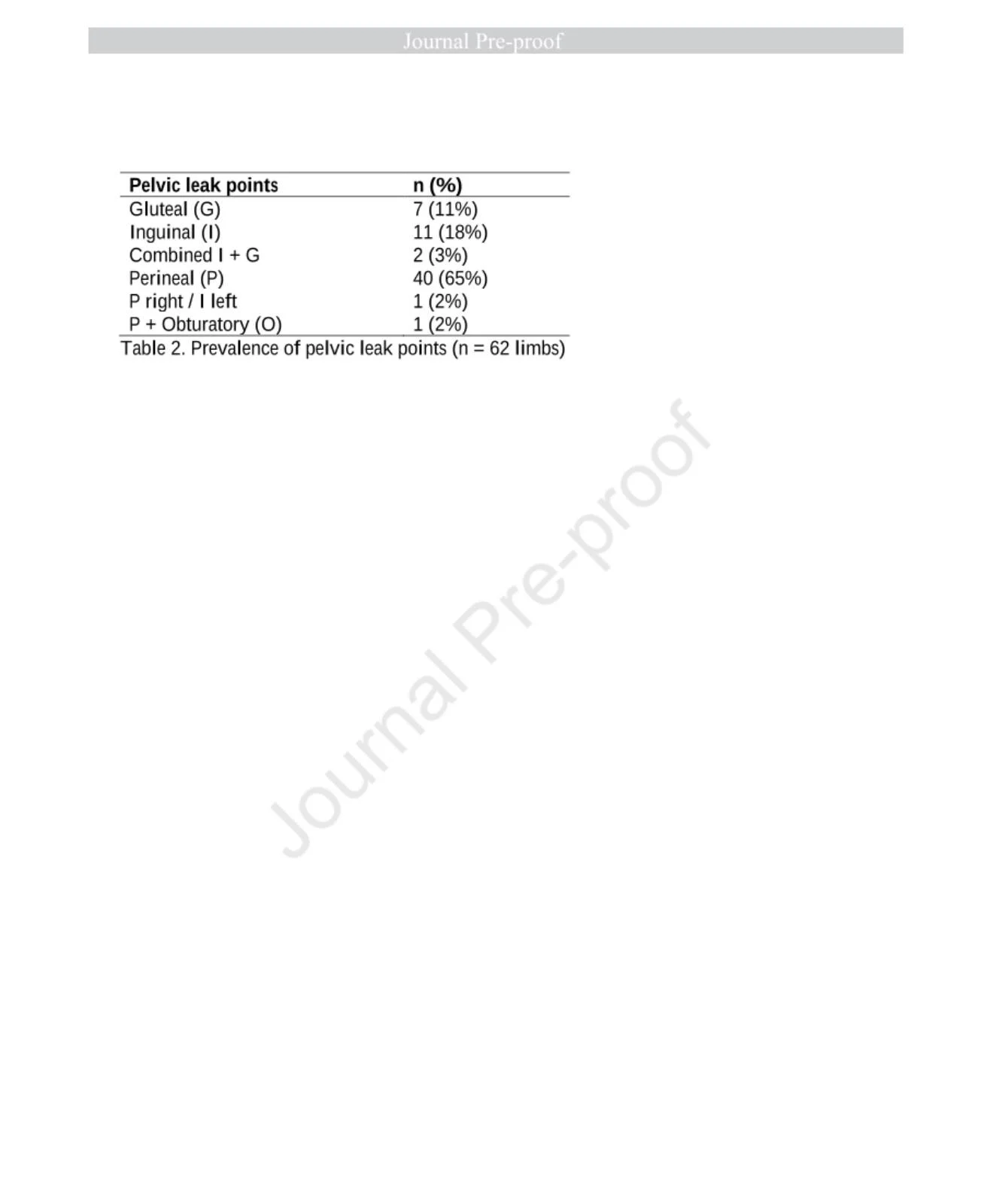
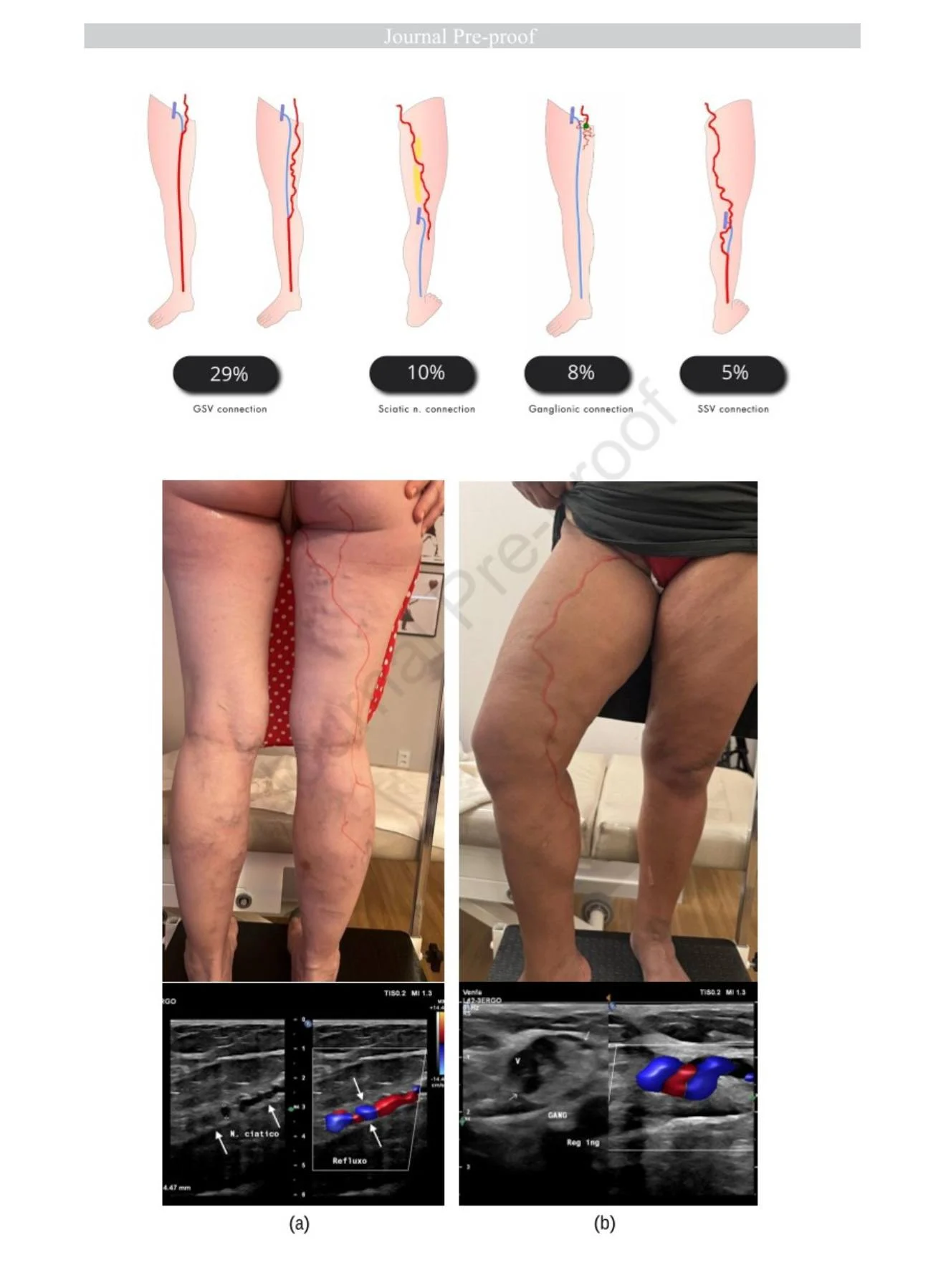
In a new paper in JVSVL, ‘Anatomical Patterns of Pelvic Venous Reflux to the Lower Limbs’ by Joana Storino, Fanilda Barros, and Nathalia Cardoso, the authors studied 49 women (62 limbs) with duplex confirmed pelvic reflux and escape points into the lower limbs. What struck me is how often the patterns we label as ‘weird’ or ‘recurrent’ are actually reproducible anatomic signatures of pelvic‑origin reflux.
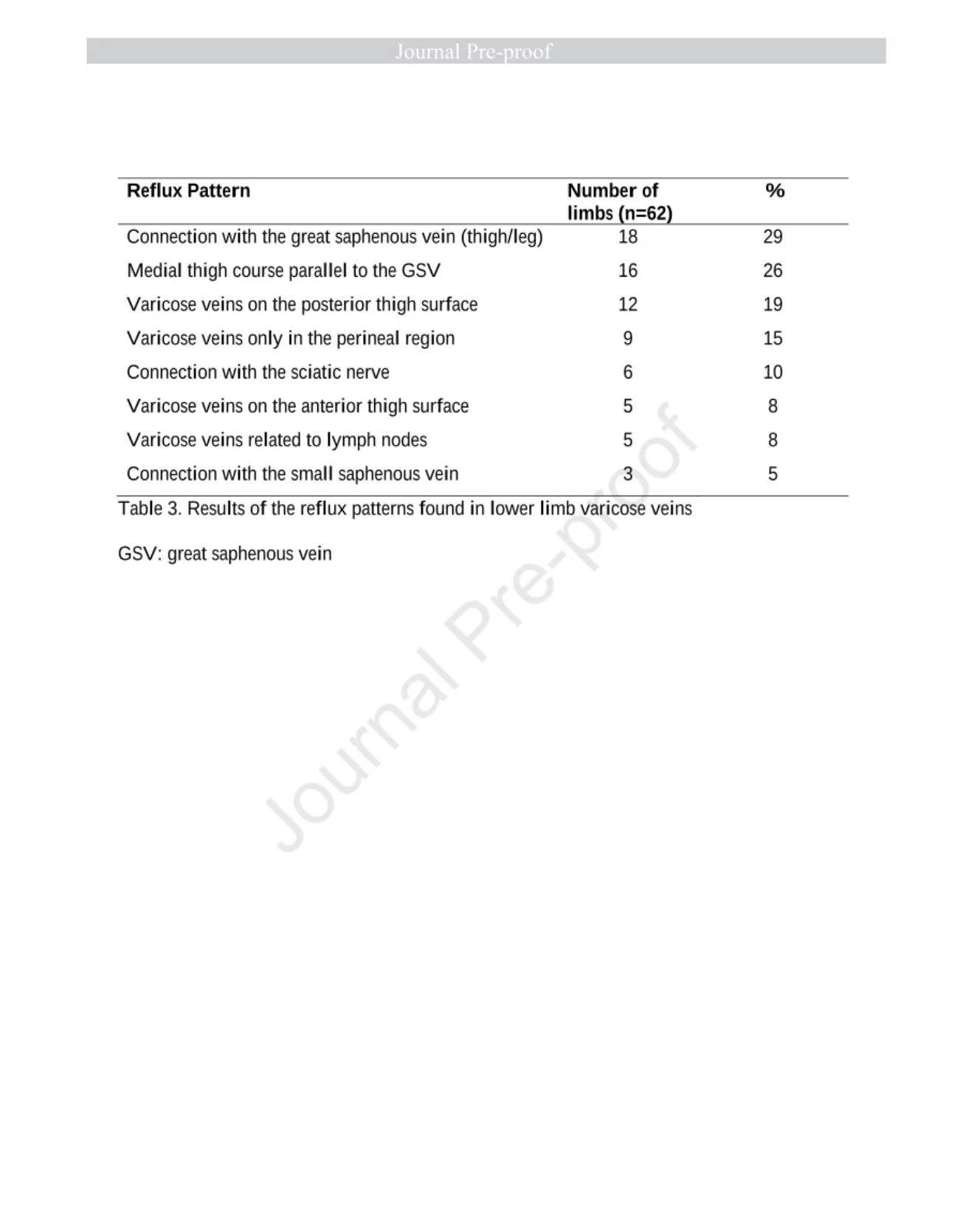
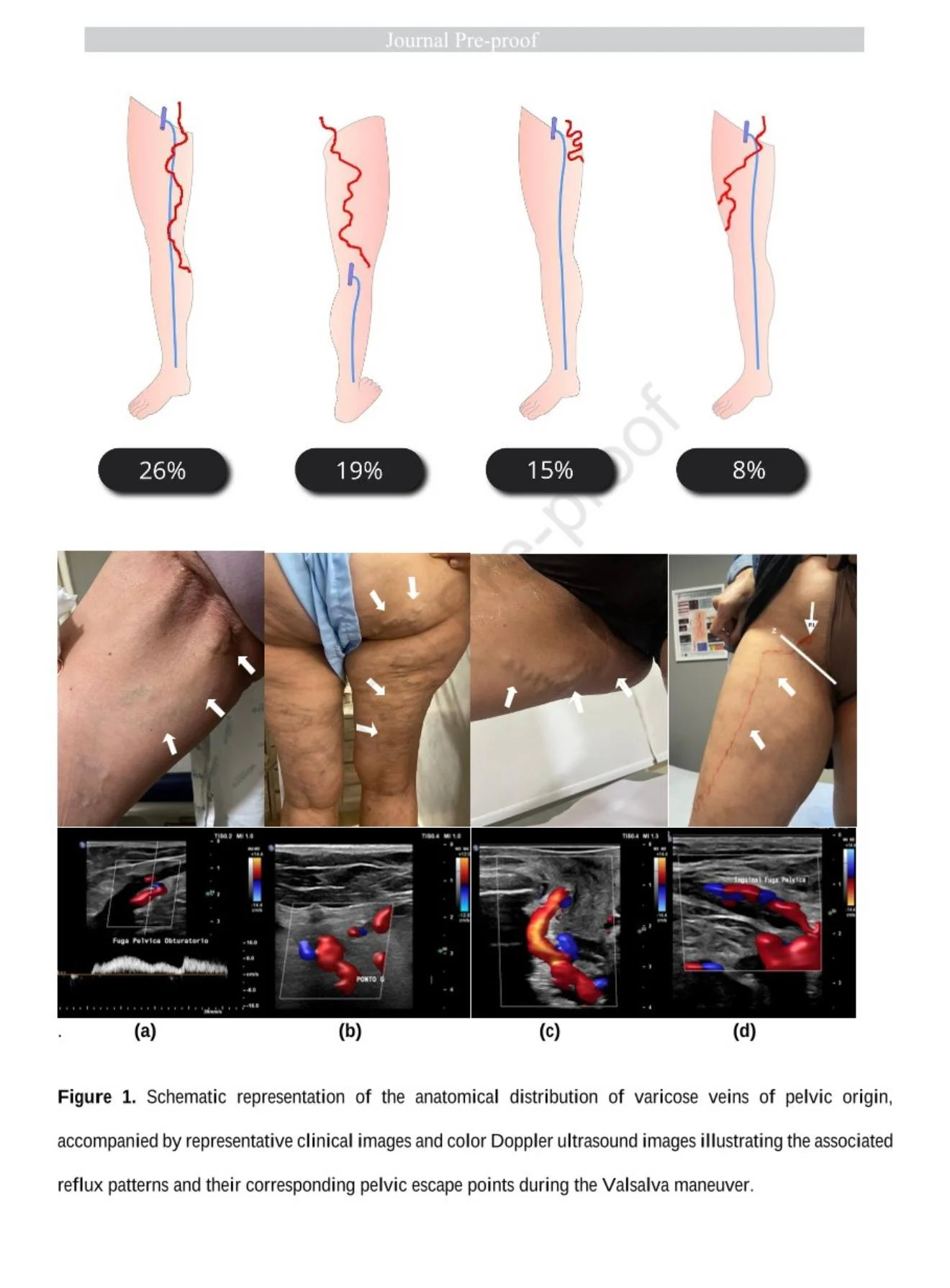
They describe seven main patterns:
- Medial thigh veins tracking parallel to the GSV
- True GSV‑related connections along thigh/leg
- Posterior thigh varices
- Isolated perineal varices
- Sciatic nerve – related veins
- Lymph node – related channels in the groin
- Less frequent SSV connections
Most of these are non‑saphenous pathways that may only touch the truncal system secondarily. Several correlate consistently with specific pelvic escape points (perineal, gluteal, inguinal, obturator), which means the limb is often just the projection screen for pelvic disease.
For me, the practical message is simple: when I see medial‑thigh ‘GSV‑parallel’ veins, posterior‑thigh tracks, perineal‑only clusters, or sciatic/lymphatic‑axis varices on standing duplex, I pause the truncal script and deliberately search for a pelvic connection.
We don’t need to send every patient for pelvic imaging. But if we want to meaningfully reduce recurrence in women, we do need to train ourselves and our labs to read these patterns as potential pelvic reflux, not just as odd variants of limb disease.
Subscribe to the only newsletter built for vascular pros.”
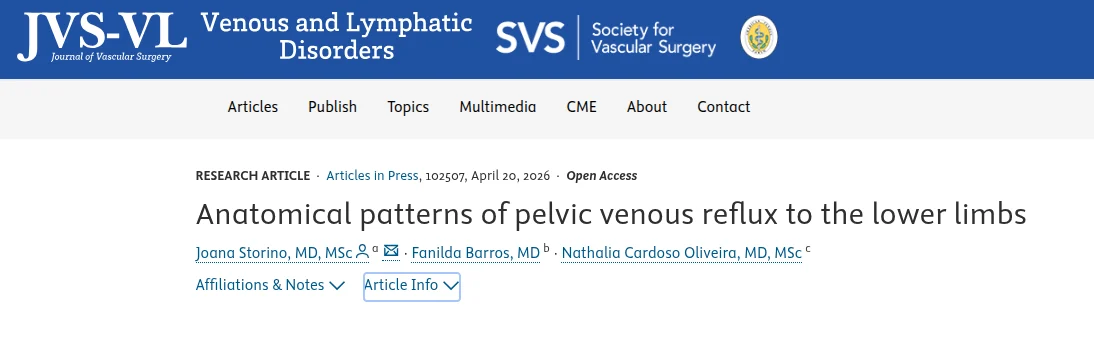
Title: Anatomical patterns of pelvic venous reflux to the lower limbs
Authors: Joana Storino, Fanilda Barros, Nathalia Cardoso Oliveira
Other articles featuring Jan Sloves on Hemostasis Today.





-
Oct 2, 2026, 14:56Wolfgang Miesbach: Direct Comparison Reveals Distinct Mechanisms Among FVIIIa Mimetics
-
Oct 2, 2026, 14:47Strengthening Hemophilia Care Through Advocacy and Partnership – World Federation of Hemophilia
-
Oct 2, 2026, 14:40Maxime Dely: CAR T Cell Therapy Starts With Collection
-
Oct 2, 2026, 14:30Sadashiva Pai: The Molecular Gateway for Sphingosine-1-Phosphate Release
-
Oct 2, 2026, 14:17Aditya Rawat: Clopidogrel, CYP2C19 and the Role of Pharmacogenetics
-
Oct 2, 2026, 14:12Monitoring Iron Deficiency in Glanzmann Thrombasthenia – Glanzmann’s Research Foundation
-
Oct 2, 2026, 14:06Giang Tran: Residual Internal Carotid Artery Aneurysm After Flow-Diverter Stenting
-
Oct 2, 2026, 14:05Shadiah Nassanga: The Economic Impact of Sickle Cell Disease
-
Oct 2, 2026, 13:56Mapping the Care Gaps for Hemophilia and Sickle Cell Disease in Ghana – Novo Nordisk Haemophilia and Haemoglobinopathies Foundation