

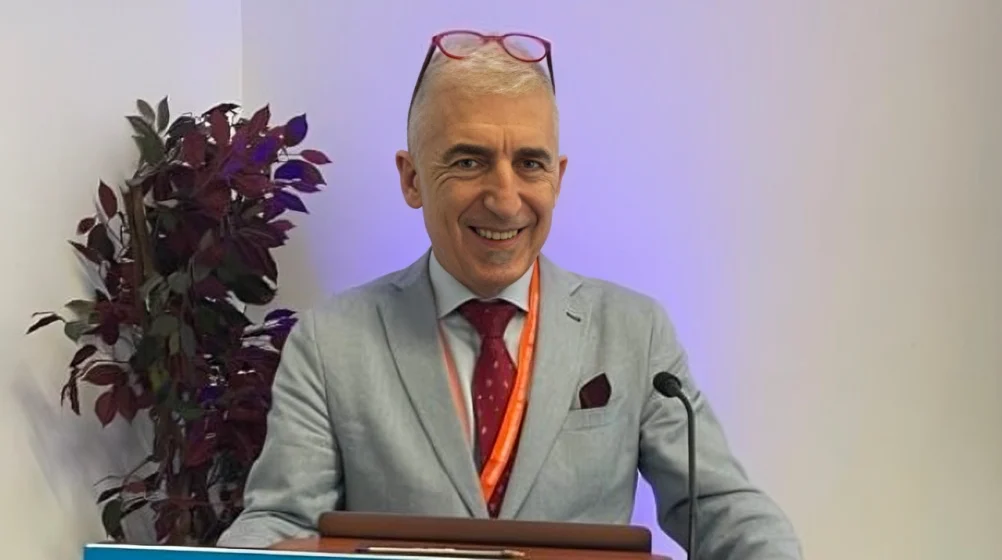
José Antonio García Erce: Situation of Immunoglobulins in Spain
José Antonio García Erce, Director of the Donation Center, Navarre Health Service (Osasunbidea), shared a post on LinkedIn about a recent article by Pierre Tiberghien et al, published in Vox Sanguinis:
”Situation of immunoglobulins in Spain.
Is there a lack of transparency or interest on the part of the authorites? (Part 2)
In 2023, in December, Europe included Inmunoglobulinas Anti -D (Ig ) in the list of fármacos críticos (Union list of critical medicines – version 2.1 (revision January 2026) [J06BB01 human anti – D immunoglobulin] along with the rest of the hemoderivados plasmáticos.
On October 2024, a brief survey was launched from the European Blood Alliance to all member countries to ‘learn about the current situation of anti-D plasma collection and explore the possibilities of implementing programs of this type in Europe’.
The results have been included in a recent paper published by the European Committee on Blood Transfusion (CD-P-TS) of the European Directorate for the Quality of Medicines and HealthCare (EDQM), Council of Europe entitled ‘Can we have European anti – D plasma collection programes?‘
A total of 23 responses were received from 19 countries: ‘None of the countries surveyed had an active national anti-D plasma collection programme.’ Unfortunately there was no response from Spain. ¿?
On July 4, 2025, the European Medicine Agency (EMA) published an important document dated June 23: ‘Strengthening supply chain of anti-D immunoglobulins.’
‘Recommendations of the Executive Steering Group on Drug Shortages and Safety to Address Anti-D Immunoglobulin Supply Chain Vulnerabilities.’
Where they include three blocks of recommendations:
- for member states
- for the European Commission
- for the plasma industry and ‘relevant’ research organizations.
I miss that the Scientific Societies involved are included, such as the European Hematology Association (EHA), the FIGO (International Federation of Gynecology and Obstetrics) and the International Society of Blood Transfusion (ISBT).
Once again I wonder, why does the Ministry of Health and Consumer Affairs
General Directorate of Public Health. Subdirectorate General of Health Promotion and Epidemiology, as a member of the European Blood Alliance did not answer the survey?
Is it not of interest or is there no concern?
When the front page of the European Blood Alliance website since March 25 includes this headline: ‘Securing the future of anti – D immunoprophylaxis in Europe’ ”
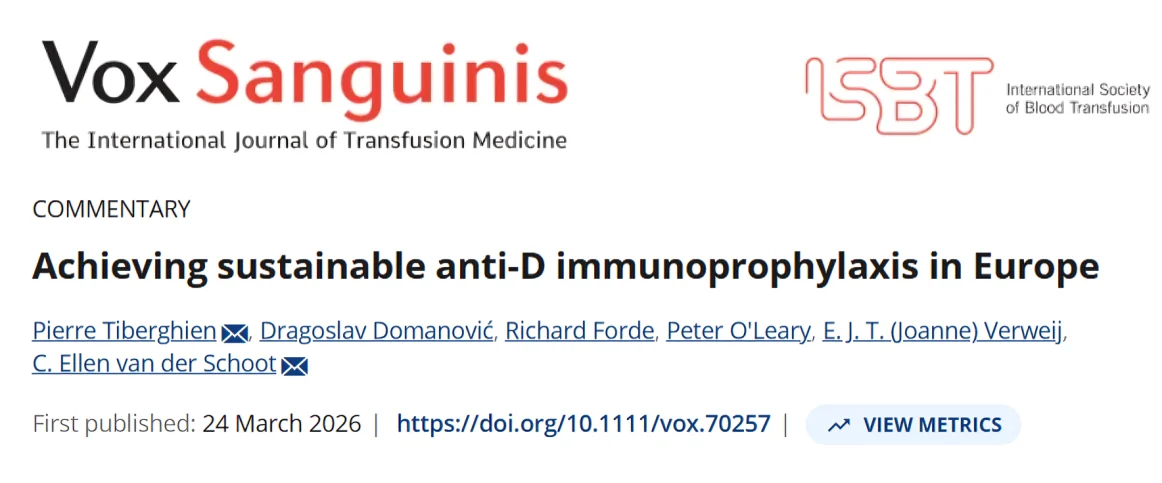
Title: Achieving sustainable anti-D immunoprophylaxis in Europe
Authors: Pierre Tiberghien, Dragoslav Domanović, Richard Forde, Peter O’Leary, Joanne Verweij, C. Ellen van der Schoot
Reaf the Full Article on Vox Sanguinis
Stay updated with Hemostasis Today.
-
Oct 14, 2026, 06:37Neoklis Mparis: Unilateral Adrenal Haemorrhage in Primary Antiphospholipid Syndrome During Bridging Anticoagulation
-
Oct 14, 2026, 06:00Aymen A.: LAAC vs. OAC in Patients with Atrial Fibrillation Including CHAMPION-AF and CLOSURE-AF Trials
-
Oct 13, 2026, 21:05Francisco Chacón-Lozsán: Heparin-Induced Thrombocytopenia – When an Anticoagulant Triggers Thrombosis
-
Oct 13, 2026, 21:04Aref Zribi: Isolated Tumor Thrombus and the Role of Prophylactic Anticoagulation
-
Oct 13, 2026, 21:01Alex Larson: Why Normal Bloodwork Does Not Always Tell the Whole Story
-
Oct 13, 2026, 20:58Juan Jauregui-Lozano: How Replication Stress Impairs Red Blood Cell Maturation
-
Oct 13, 2026, 20:55Caitlin Raymond: Understanding Platelet Refractoriness Before Ordering More Platelets
-
Oct 13, 2026, 20:54Sanja Seratlic: How Cow Feeding Systems Influence the Anti-Platelet Properties of Cheddar Cheese
-
Oct 13, 2026, 20:50Ruchika Goel: Cord Blood Red Blood Cells as a Physiologically Aligned Transfusion Strategy