

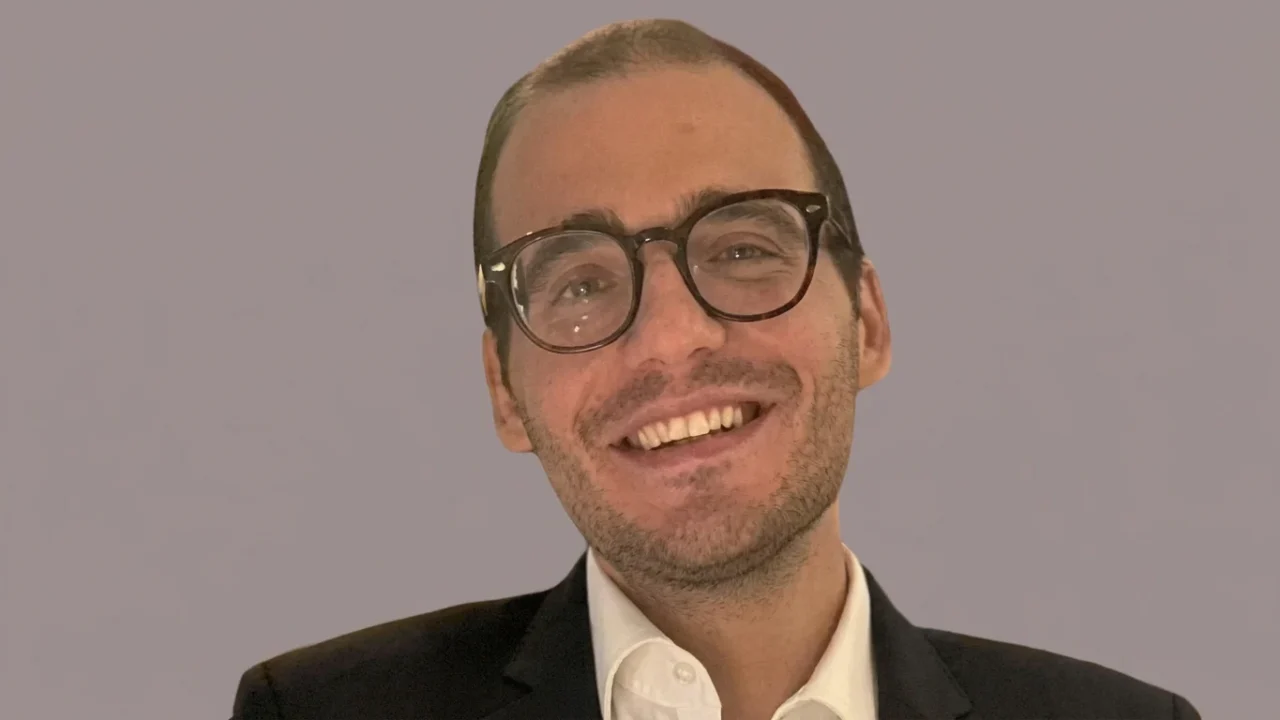
Luca Galassi: Retrieved Venous Thrombi as a Tool for Predicting Post-Thrombotic Syndrome
Luca Galassi, Editorial Board Member at Sage, shared a post on LinkedIn about a recent article he and his colleagues co-authored, published in Journal of Thrombosis and Thrombolysis, adding:
“The thrombus goes in the bin.
Several grams of human tissue, out of a vein twenty minutes earlier, the disease still written into it. Weighed, photographed for the record, and discarded.
Our paper on why that should change is out today in the Journal of Thrombosis and Thrombolysis.
In stroke, the retrieved clot became a research field a decade ago, and it produced a therapeutic idea, adding DNase to lysis, straight out of the tissue.
On the venous side:
- The entire published literature on mechanically retrieved venous thrombi is about 65 specimens. A single stroke study in 2018 analysed 108.
- None of those venous series mapped neutrophil extracellular traps. None followed the patient afterwards.
- Around 40% of patients with proximal DVT develop post-thrombotic syndrome within two years. We still cannot say why that patient and not the one next to him.
The answer may be sitting in the specimen we throw away.
If the thrombus can tell us who will develop post-thrombotic syndrome, it can tell us who needs longer anticoagulation, closer follow-up, or a second look, before the damage is done.
So we wrote the protocol that does not yet exist: how to capture the specimen with any device, where to analyse it, what to measure, and which clinical questions it can realistically answer.
A question for interventionalists:
In your cath lab, where does the retrieved thrombus go?”
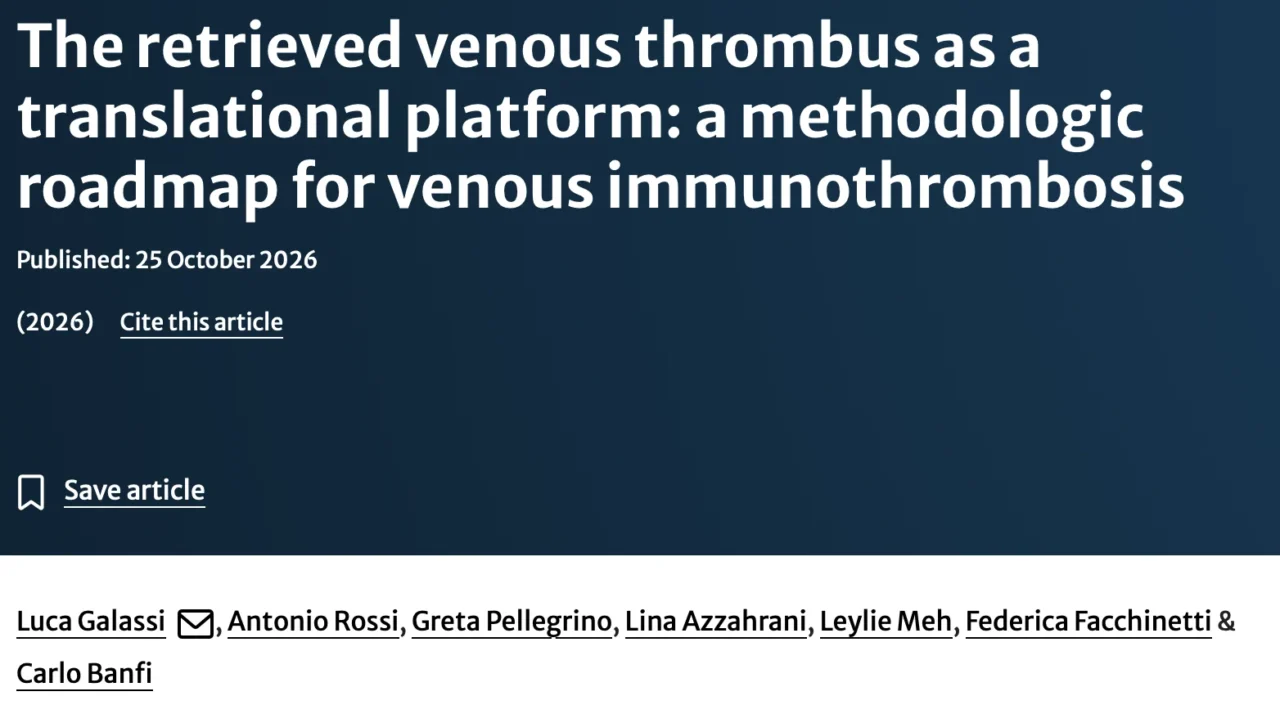
Title: The retrieved venous thrombus as a translational platform: a methodologic roadmap for venous immunothrombosis
Authors: Luca Galassi, Antonio Rossi, Greta Pellegrino, Lina Azzahrani, Leylie Meh, Federica Facchinetti, Carlo Banfi
Stay updated on all scientific advances with Hemostasis Today.
-
Oct 27, 2026, 11:43Tareq Abadl: Hidden Interferences Behind Unexpected Laboratory Results
-
Oct 27, 2026, 11:42Cece Calhoun: ASH Promotes Clinical Research Training and Mentorship for Emerging Hematologists
-
Oct 27, 2026, 11:41Ifeanyichukwu Ifechidere: The Laboratory Challenges of Measuring Direct Factor Xa Inhibitors
-
Oct 27, 2026, 11:39Gene Therapy Offers New Possibilities for Patients with Thalassaemia in the UAE – Thalassaemia International Federation
-
Oct 27, 2026, 11:35Alan Nurden: rFVIIa Prophylaxis May Reduce Bleeding-Related Healthcare Burden in Glanzmann Thrombasthenia
-
Oct 27, 2026, 10:12Cesar Garrido: WFH Connects with Spanish Thrombosis and Haematology Societies
-
Oct 27, 2026, 10:01Chokri Ben Lamine: CAPS After Autologous SCT – Diagnostic Criteria and Key Mimics
-
Oct 27, 2026, 09:45Jean Terrier: COBRRA Trial – Comparing Bleeding Risks Between DOACs
-
Oct 27, 2026, 08:42Kathleen Freson: SLFN14 at the Crossroads of RNA Regulation, Platelet Biogenesis and Inherited Thrombocytopenia