

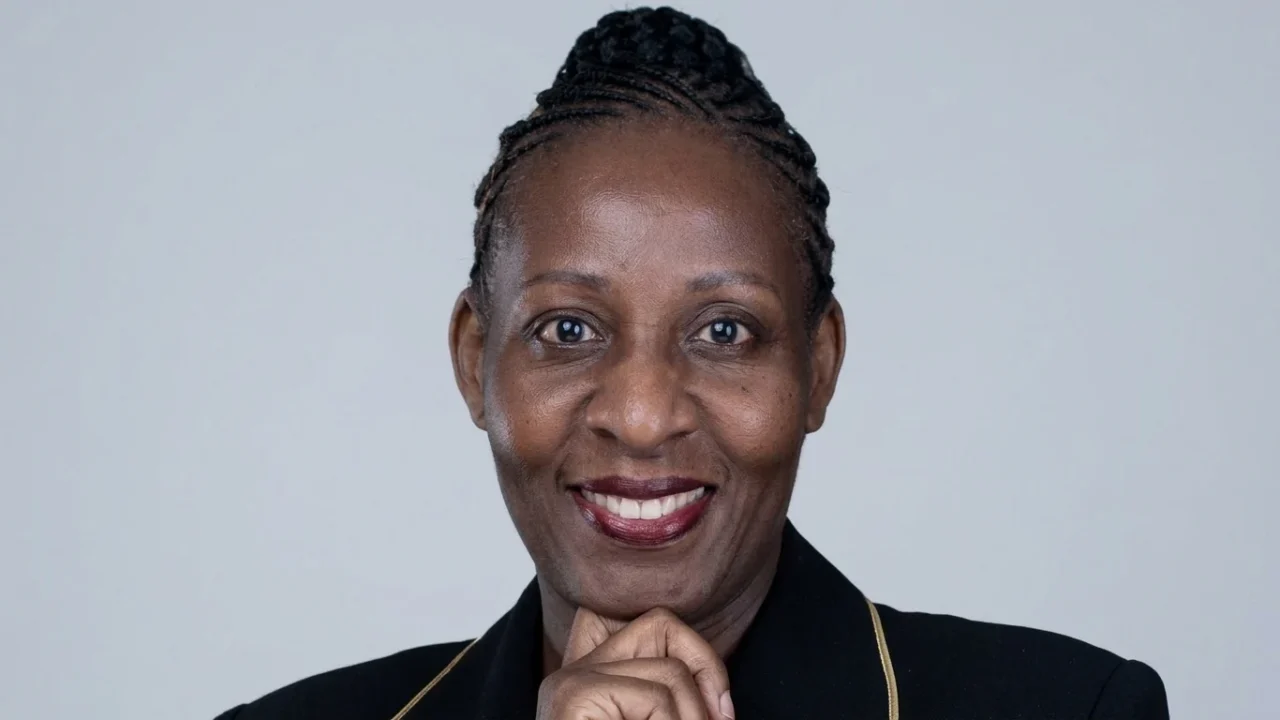
Mercy Lung’aho: When Diet Quality and Nutritional Biomarkers Tell Different Stories
Mercy Lung’aho, Lead – Food Security, Nutrition, and Health Program at International Institute of Tropical Agriculture (IITA), shared a post on X about a recent article by Priscilla Ifeoma Offoh et al., published in The American Journal of Clinical Nutrition, adding:
“Diet-Quality Indicators and Biomarkers Do Not Always Tell The Same Nutrition Story.
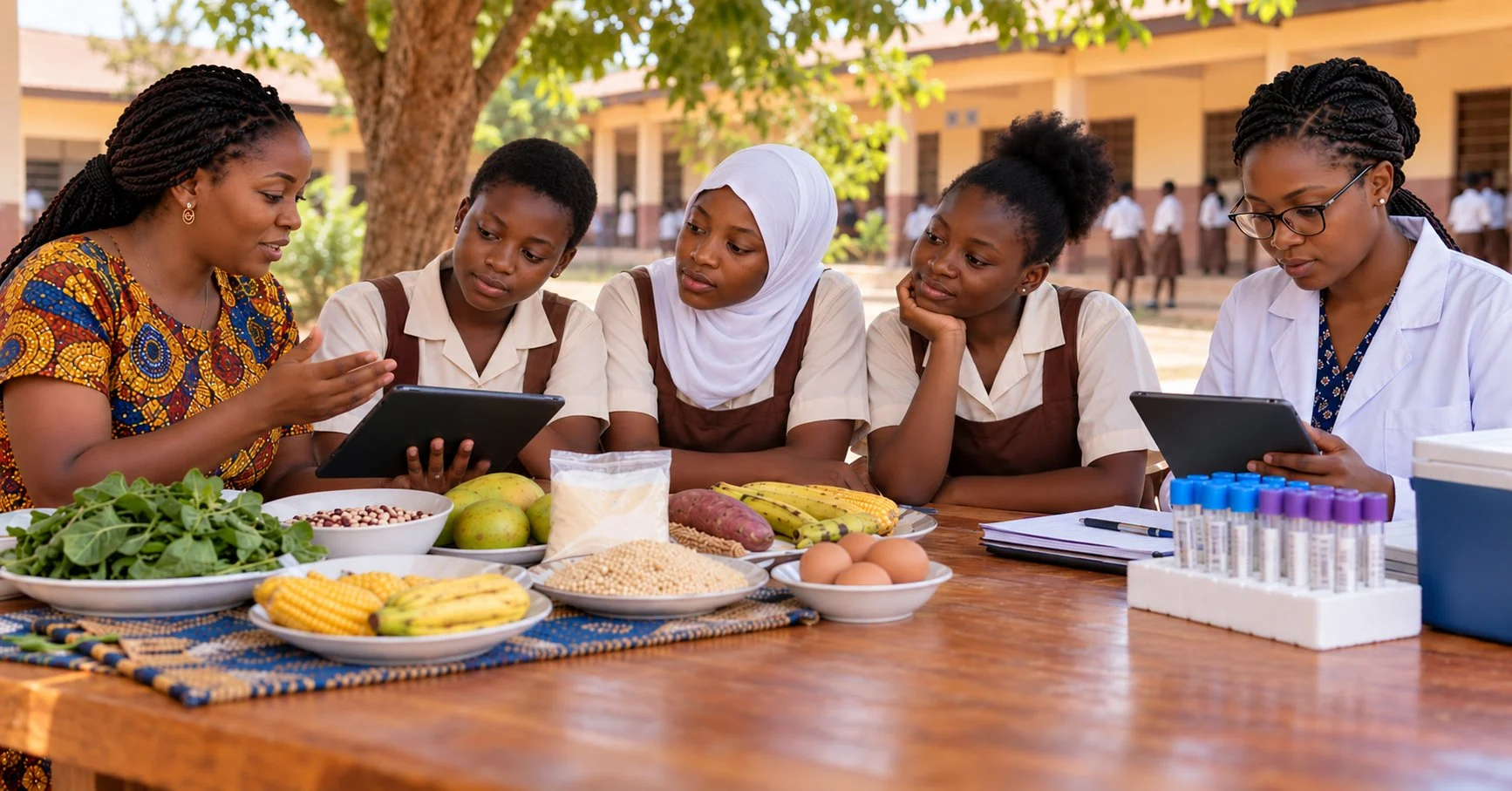
A secondary analysis of the Ten2Twenty-Ghana trial examined whether commonly used measures of diet quality were associated with iron and vitamin A biomarkers over six months among rural Ghanaian adolescent schoolgirls.
The findings were not straightforward. Dietary diversity, overall diet quality and food-processing measures showed different relationships with different biomarkers.
They were also not consistently associated with anemia, iron-deficiency anemia or VitaminA deficiency. Some findings were counterintuitive and may partly reflect the contribution of fortified foods within this particular food environment.
The authors appropriately caution that these observational results should not be interpreted as evidence that ultra-processed foods improve nutrition.
So, what should we take from this?
Dietary-diversity scores and biomarkers answer different questions.
Food-processing categories cannot be interpreted without understanding the local food environment. No single indicator tells the complete nutrition story. This matters because the indicators we select influence how we design, target and evaluate nutrition programmes.
I found this paper thought-provoking and was left wondering: When our indicators disagree, do we dismiss the mismatch as noise? Or use it as a signal to ask better questions?
A thought-provoking read!
Offoh et al. (2026), ‘Baseline diet quality indicators and 6-month changes in iron and vitamin A biomarkers among rural Ghanaian adolescent schoolgirls.’ ”
Title: Baseline diet quality indicators and 6-month changes in iron and vitamin A biomarkers among rural Ghanaian adolescent schoolgirls: A secondary analysis of the Ten2Twenty-Ghana trial
Authors: Priscilla Ifeoma Offoh, Fusta Azupogo, Inge D Brouwer, Cinthia Baú Betim Cazarin
Stay updated on all scientific advances with Hemostasis Today.
-
Nov 23, 2026, 02:42Courtney Lawrence: Expanding Prehospital Blood Programs to Improve Emergency Care and Reduce Blood Waste
-
Nov 23, 2026, 00:52Vijay Anand Ismavel: New Findings on Anemia and Iron Status in Maternal Acute Heart Failure
-
Nov 23, 2026, 00:49Eue-Keun Choi: Where Europe and Asia-Pacific Converge and Diverge in AF Management
-
Nov 23, 2026, 00:48Evandro Martins: Balancing Stroke and Bleeding Risks With Left Atrial Appendage Closure
-
Nov 23, 2026, 00:46Jasmine Kamboj: Updated Ferritin Thresholds for Identifying Iron Deficiency in Children and Adults
-
Nov 22, 2026, 23:57Anjali Pandey: Aplastic Anemia Through the Pathologist’s Lens – The Empty Marrow Is a Diagnosis of Exclusion
-
Nov 22, 2026, 23:56Maurizio Bertaina: Does Hemoglobin at Admission Matter in Cardiogenic Shock?
-
Nov 22, 2026, 23:55Renjith Vijayakumar Selvarani: One CAR-T Infusion Resets the Immune System in 3 Severe Autoimmune Diseases
-
Nov 22, 2026, 23:54Lukasz Kuzma: Beyond Composite Outcomes in the Comparison of LAAC and Oral Anticoagulation