

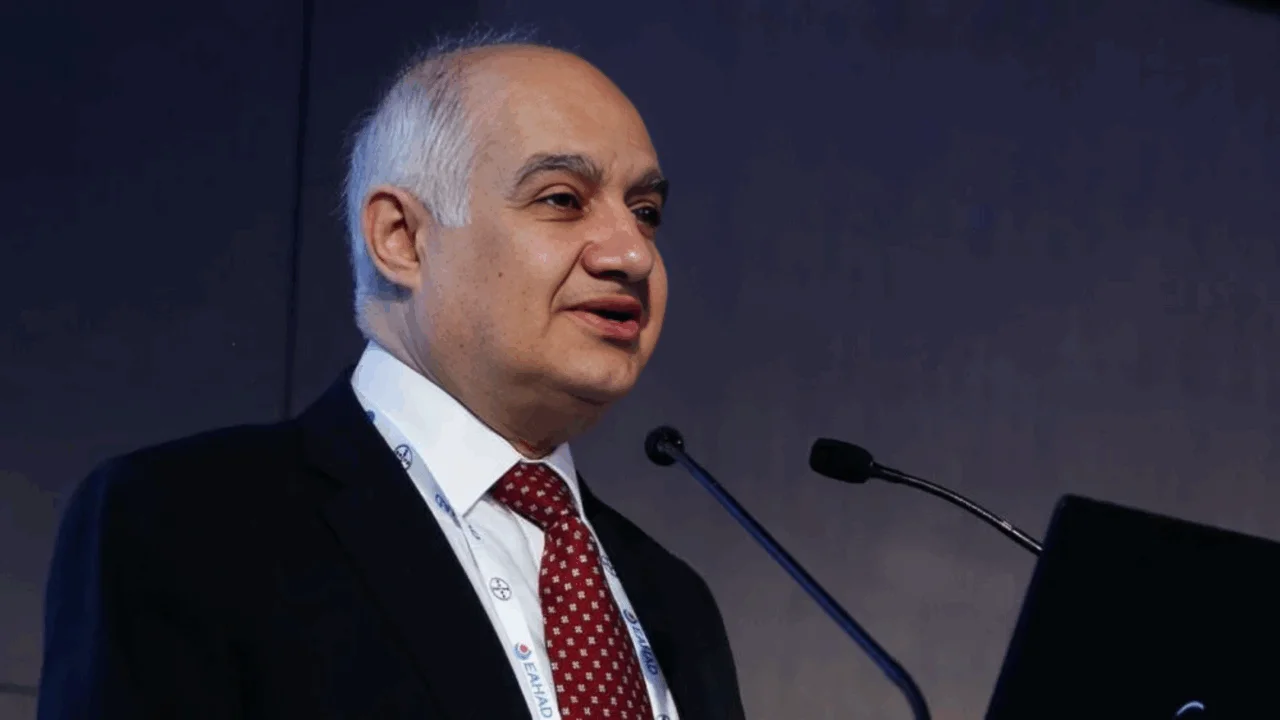
Michael Makris: 3 PTP Haemophilia A in Japan Have Developed FVIII Inhibitors Following Treatment with Efanesoctocog Alfa
Michael Makris, Emeritus Professor of Haemostasis and Thrombosis at the University of Sheffield, shared on LinkedIn:
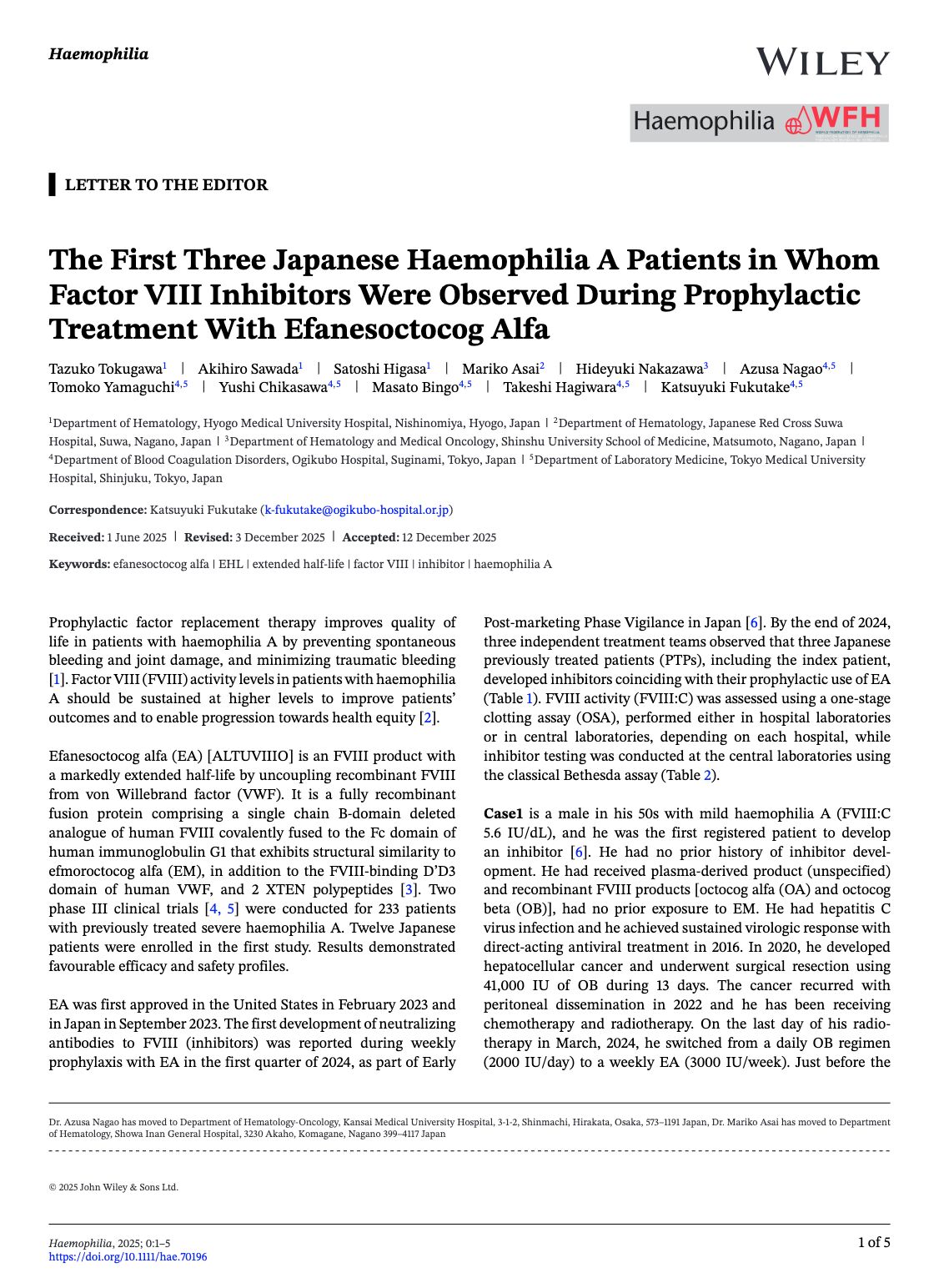
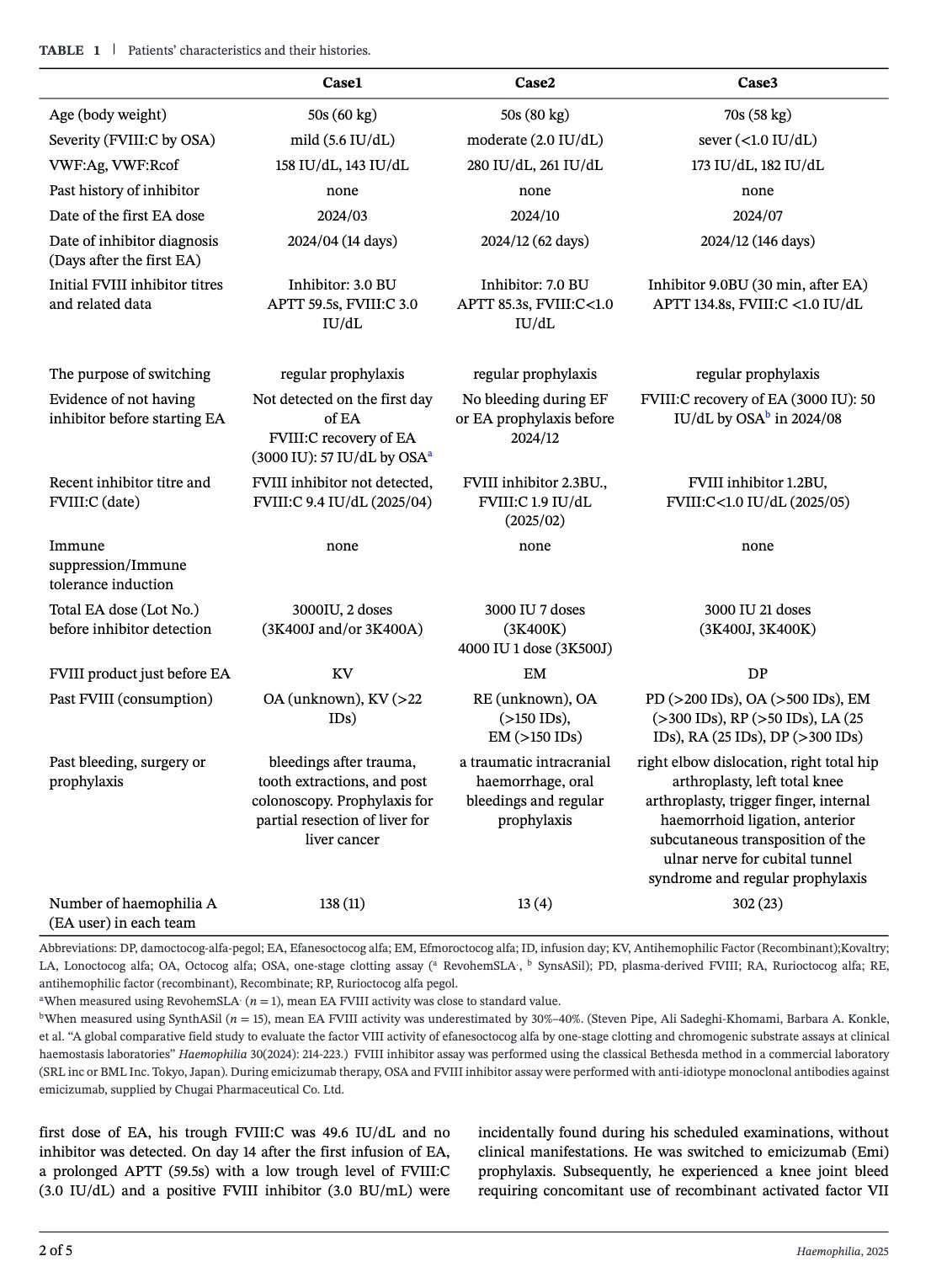
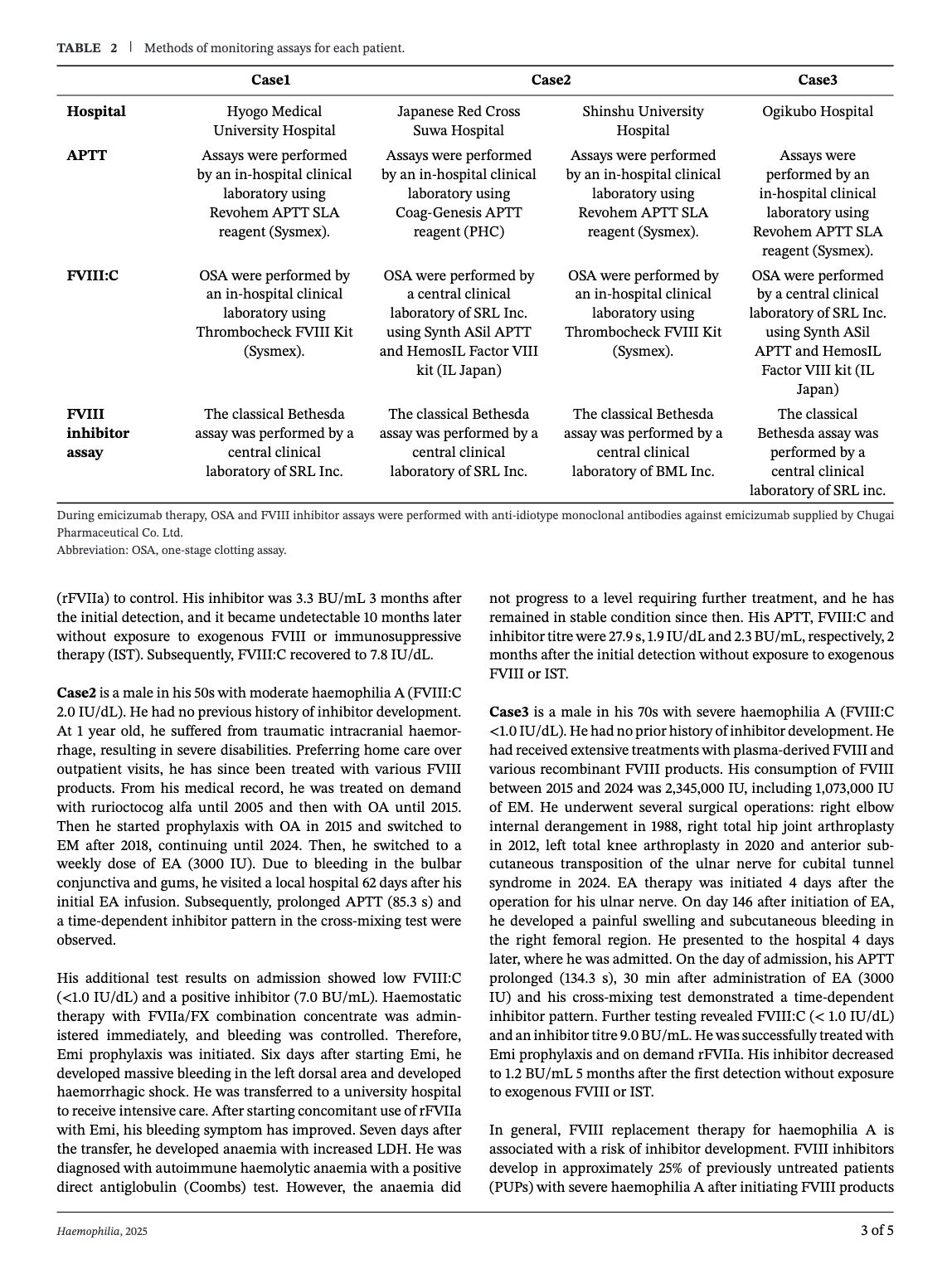
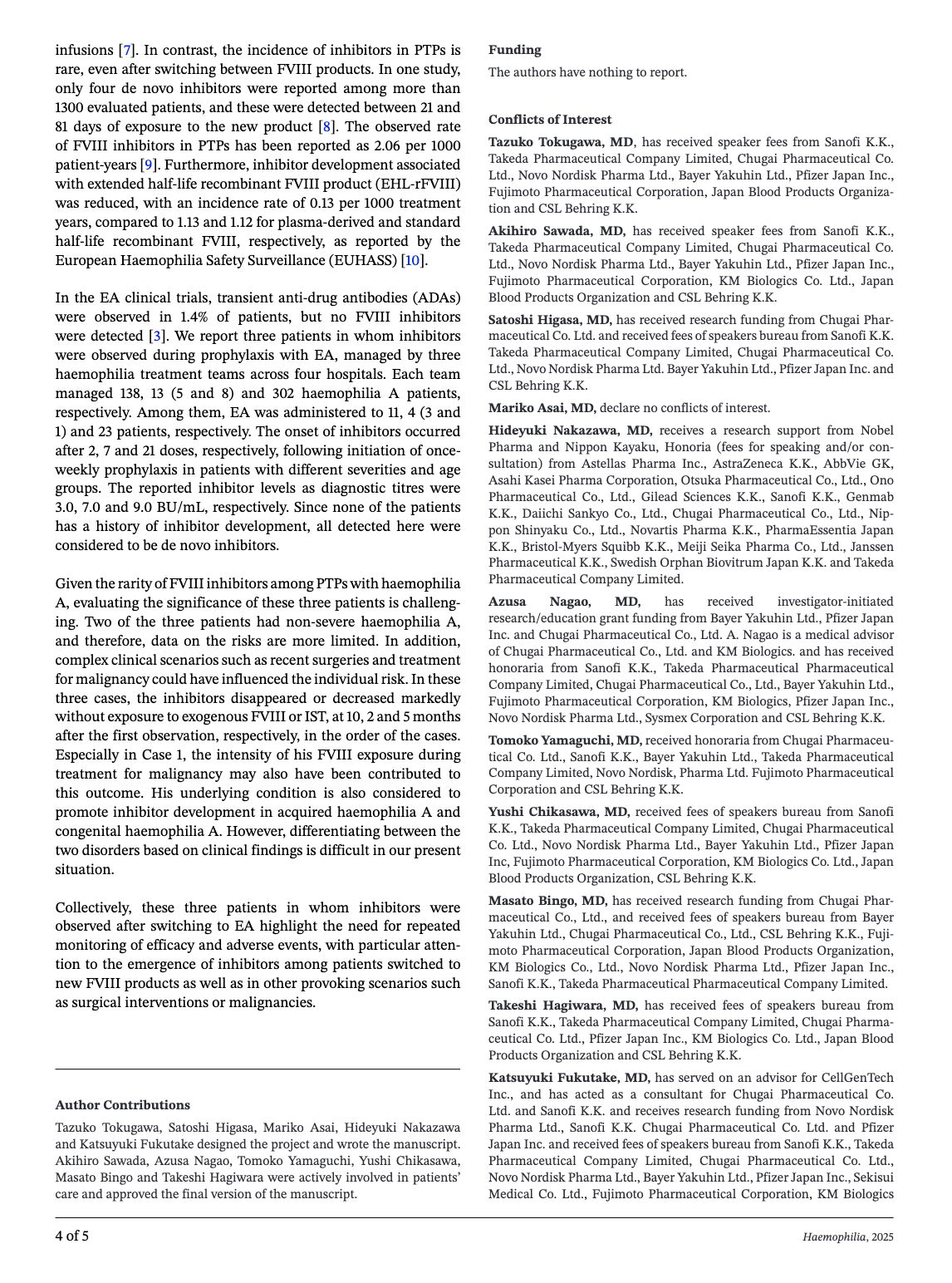
“Three Previously Treated Haemophilia A Patients (PTPs) in Japan have developed FVIII inhibitors following treatment with efanesoctocog alfa (Altuviiio/Altuvoct). One had severe haemophilia, and the other two had moderate and mild disease. Only 38 patients were exposed to efanesoctocog alfa in the centres these 3 patients were reported from.
This is a very much higher rate than expected, and the reasons are unclear.
Was it chance? We will know very soon, as this drug is now used extensively in PTP haemophilia A patients around the world.”
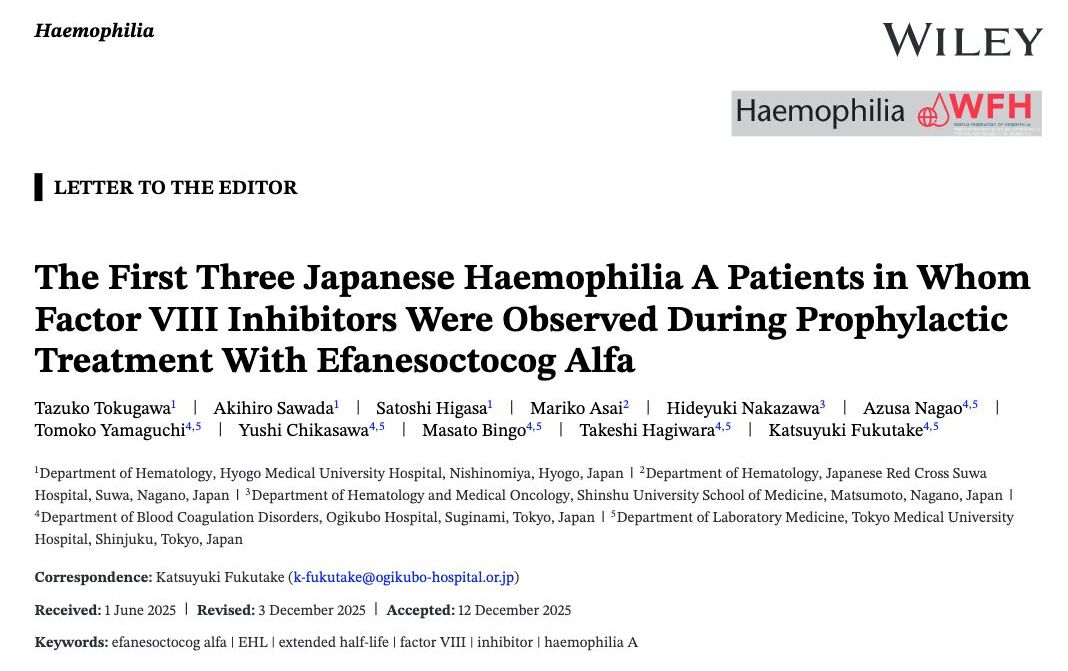
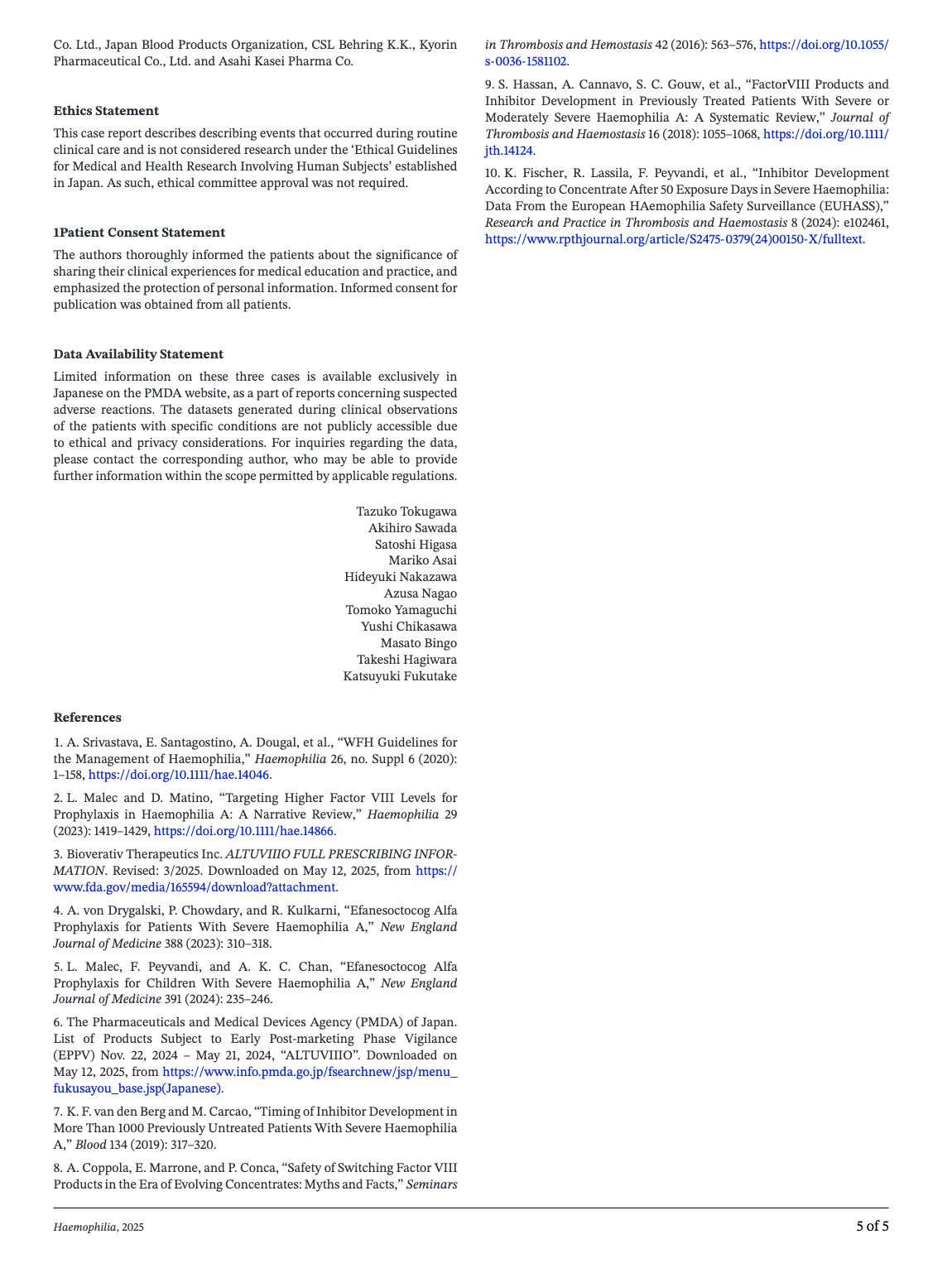
Title: The First Three Japanese Haemophilia A Patients in Whom Factor VIII Inhibitors Were Observed During Prophylactic Treatment With Efanesoctocog Alfa
Authors: Tazuko Tokugawa, Akihiro Sawada, Satoshi Higasa, Mariko Asai, Hideyuki Nakazawa, Azusa Nagao, Tomoko Yamaguchi, Yushi Chikasawa, Masato Bingo, Takeshi Hagiwara, Katsuyuki Fukutake
Read more posts from Michael Makris in Hemostasis Today.
-
Oct 9, 2026, 13:55Chandler Purser: AABB 2026 Focuses on Transfusion Safety and Audit-Driven Practice Improvement
-
Oct 9, 2026, 13:48Maxime Dely: Raising Awareness for Blood Donation
-
Oct 9, 2026, 13:48Vera Ghali: Anemia in Myelofibrosis and Its Impact on Treatment Outcomes and Overall Survival
-
Oct 9, 2026, 13:32W David Freeman։ The Mechanical Penumbra in Intracerebral Hemorrhage and Its Potential for Tissue Recovery
-
Oct 9, 2026, 13:11Ayshathul Noora։ Carbetocin vs Oxytocin in Preventing Postpartum Hemorrhage
-
Oct 9, 2026, 13:07The Rebalanced Patient: New Therapies and New Thrombotic Risks in Hemophilia
-
Oct 9, 2026, 12:48Santiago Cepeda Chafla: CereBleed Simplifies Brain Hemorrhage Assessment
-
Oct 9, 2026, 12:34Abdul Muqtadir Abbasi: Pancytopenia Is a Finding, Not a Diagnosis
-
Oct 9, 2026, 12:24Mercy Lung’aho: When Diet Quality and Nutritional Biomarkers Tell Different Stories