

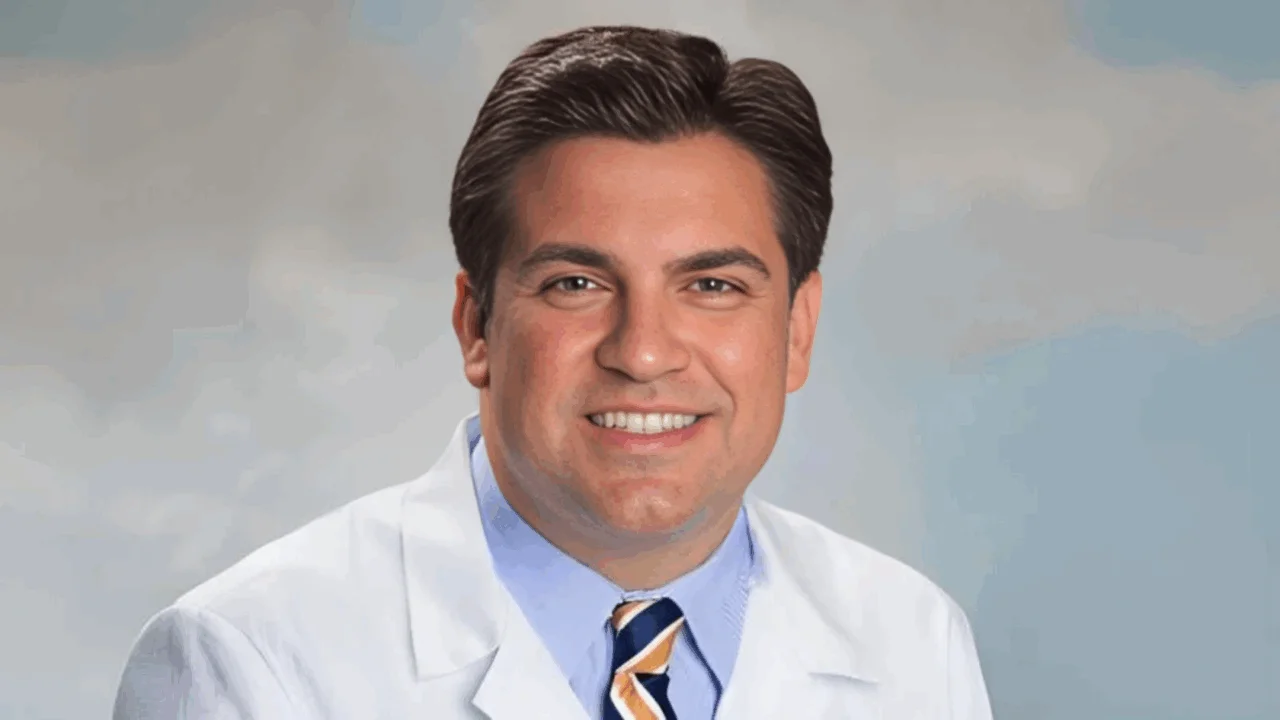
Nathan Connell: 100 Years of von Willebrand Disease – From the Åland Islands to Precision Care
Nathan Connell, Clinical Chief of Hematology at Brigham and Women’s Faulkner Hospital, shared a post on LinkedIn about his recent article published in American Society of Hematology, adding:
”100 Years of von Willebrand Disease: From the Åland Islands to Modern Precision Care
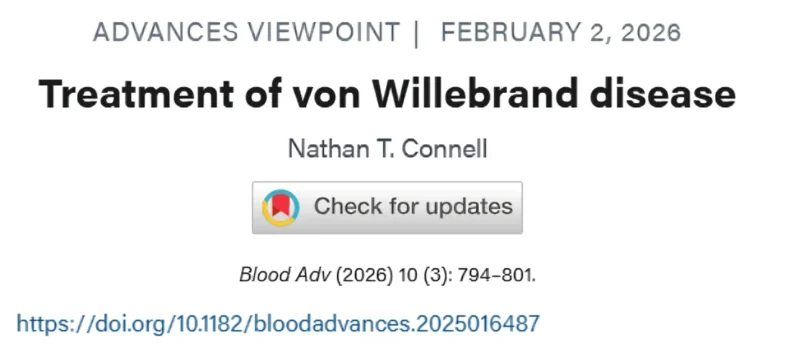
In 1926, Erik von Willebrand described a mysterious ‘hereditary pseudohemophilia’ in a young girl from the Åland Islands. Now, 100 years later, I am honored to share my latest publication in Blood Advances, “Treatment of von Willebrand Disease,” part of a special series celebrating this clinical centenary.
It is humbling to look back at how far we’ve come—from the first use of plasma infusions to the modern era of recombinant factors and personalized prophylaxis. While VWD remains the most common inherited bleeding disorder, its management is more nuanced than ever.
In this comprehensive review, I explore the shifting paradigms in care and the current standards that define ‘best practice’ in 2026:
- The Desmopressin Standard: Why a careful therapeutic trial and monitoring are non-negotiable, and how we navigate the nuances of tachyphylaxis and hyponatremia risk.
- The Evolution of Replacement Therapy: A comparison of plasma-derived vs. recombinant VWF concentrates, and how they are best utilized for both surgical and emergency management.
- The Prophylaxis Shift: We are moving beyond ‘on-demand’ treatment. For people with type 3 VWD and severe type 1 or 2 VWD, prophylaxis should be the gold standard to prevent joint bleeds and life-threatening mucosal hemorrhage.
- Closing the Gap for Women: Highlighting the vital role of adjunctive therapies (like antifibrinolytics and hormonal options) in managing heavy menstrual bleeding.
- Future Horizons: A look at what’s next—including long-acting products and the potential of emicizumab—as we strive for a near-normal quality of life for every patient.
A century ago, those with this bleeding disorder faced a lifetime of uncertainty. Today, our goal is to adopt a multidisciplinary, personalized approach to treatment. I hope this review serves as a valuable roadmap for clinicians navigating these complex treatment decisions.”
Title: Treatment of von Willebrand disease
Authors: Nathan T. Connell
Read the Full Article on American Society of Hematology.
Stay updated on all scientific advances with Hemostasis Today.
-
Oct 4, 2026, 00:26Mohammad Nafeli Shahrestani: CXCL10 Associated With Increased Long-Term Risk of Ischemic Stroke
-
Oct 4, 2026, 00:23Asim Katbeh: Light Spot on the Spectrum of Ischemic Heart Disease in Women
-
Oct 3, 2026, 17:26Karel Kostev։ When First Anticoagulant Prescriptions Are Not Dispensed
-
Oct 3, 2026, 17:11Nabila Hasan: Thalassemia Awareness And Prevention
-
Oct 3, 2026, 17:03Pasinee Sangsiwarit: Neutrophil Dysfunction In β-Thalassemia
-
Oct 3, 2026, 16:18Mira Kassouf: Reactivating An Embryonic Gene To Treat α-Thalassemia
-
Oct 3, 2026, 15:49Behnood Bikdeli: COATED_AIR Trial Design Published as Enrollment Reaches 3,000 Patients
-
Oct 3, 2026, 15:25Vanrose Panashe Nyamangodo: A Multi-Task Deep Learning Model For Malaria And Anemia
-
Oct 3, 2026, 14:52Benny Sorensen: Glanzmann’s Thrombasthenia Finally Assigned Dedicated ICD-10 Code