


Nikolaos Galanakis: Percutaneous Mechanical Thrombectomy has Emerged as a Valuable Treatment Option in Acute Limb Ischemia
Nikolaos Galanakis, Assistant Professor of Interventional Radiology Medical School / University of Crete, shared a post on LinkedIn:
“IRchalenge day 4…
Percutaneous mechanical thrombectomy (PMT) has emerged as a valuable treatment option in acute limb ischemia (ALI), offering rapid restoration of arterial flow while minimizing the risks associated with open surgery or prolonged thrombolysis. By mechanically fragmenting and removing thrombotic material, PMT provides rapid reperfusion, a key determinant for limb salvage and prevention of ischemic complications.
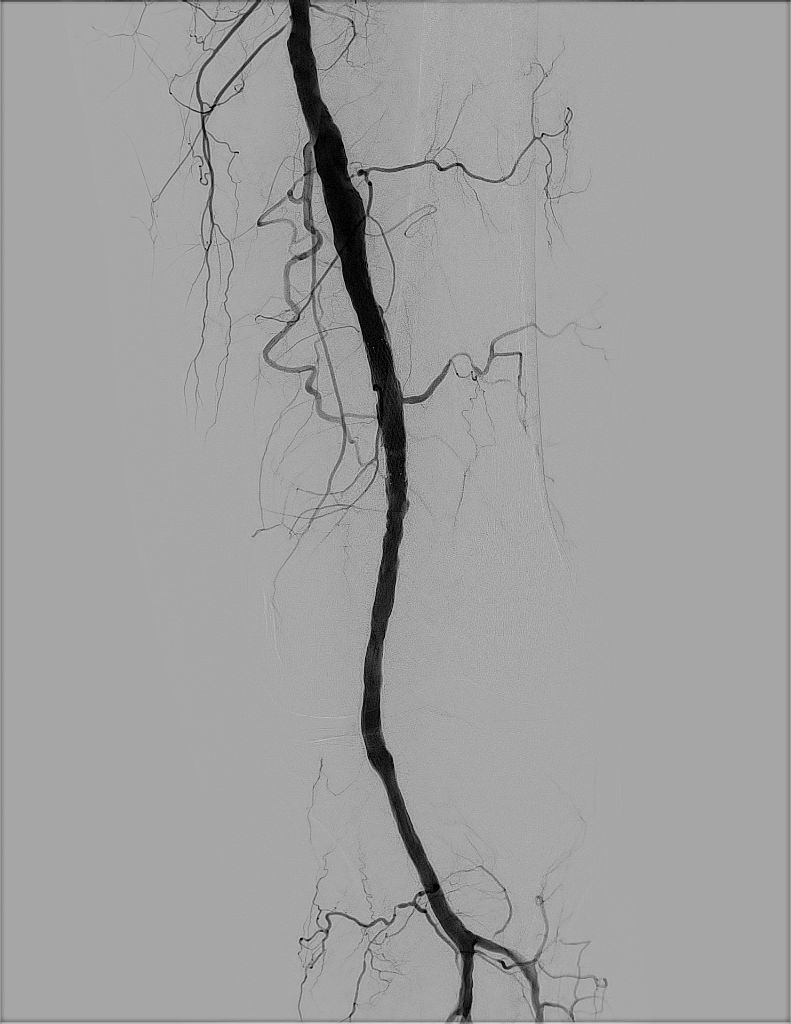
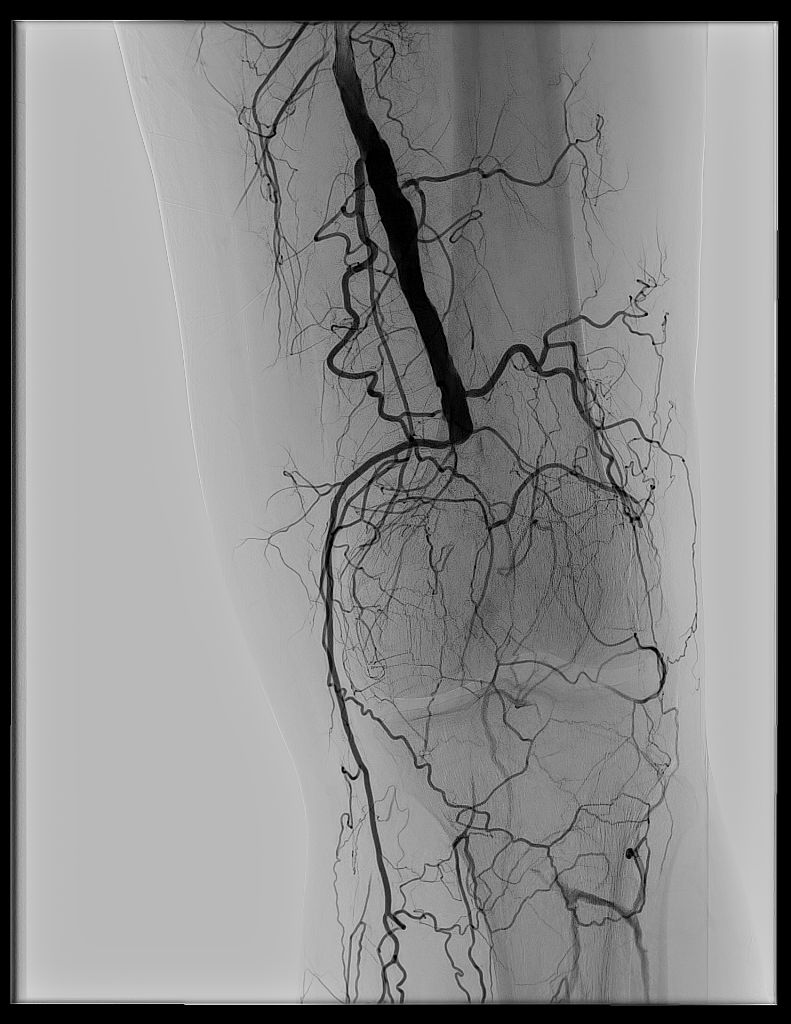
A 67-year-old male presented with ALI due to acute thrombosis of a femoropopliteal bypass graft, originally created for treatment of a popliteal artery aneurysm. The patient underwent percutaneous pharmacomechanical thrombectomy using the AngioJet device and angioplasty, achieving significant restoration of arterial flow.
This is the power of IR. Keep the momentum going at CIRSE2025!”
Find more on Hemostasis Today.
-
Sep 17, 2026, 10:08WFH 2027 Comprehensive Care Summit Opens Abstract Submissions – World Federation of Hemophilia
-
Sep 17, 2026, 09:56Marianne Yee: MySCDstory Expands Access to Multilingual Sickle Cell Education
-
Sep 17, 2026, 09:36Enewa Onoja: Platelet Satellitism Phenomenon, Three Misleading Counts
-
Sep 17, 2026, 09:22Emmanuel J Favaloro: Hemostasis and Thrombosis in Exercise and Athletes
-
Sep 17, 2026, 09:18Updated Iron Deficiency Diagnostic Guidelines – American Society of Hematology
-
Sep 17, 2026, 09:14Angela Weyand: ASH 2026 Iron Deficiency Guidelines
-
Sep 17, 2026, 08:18Anirban Sen Gupta: From Flow to Clot Insights Into Hemostasis and Thrombosis
-
Sep 17, 2026, 08:03Aya Sherif: HEMO COP – Building a Collaborative Future for Hemophilia Care
-
Sep 17, 2026, 07:50Applications Are Now Open for the 2026 WFH IHTC Fellowships