

Paolo Santini: Reduced-Dose DOACs in Cancer-Associated Thrombosis
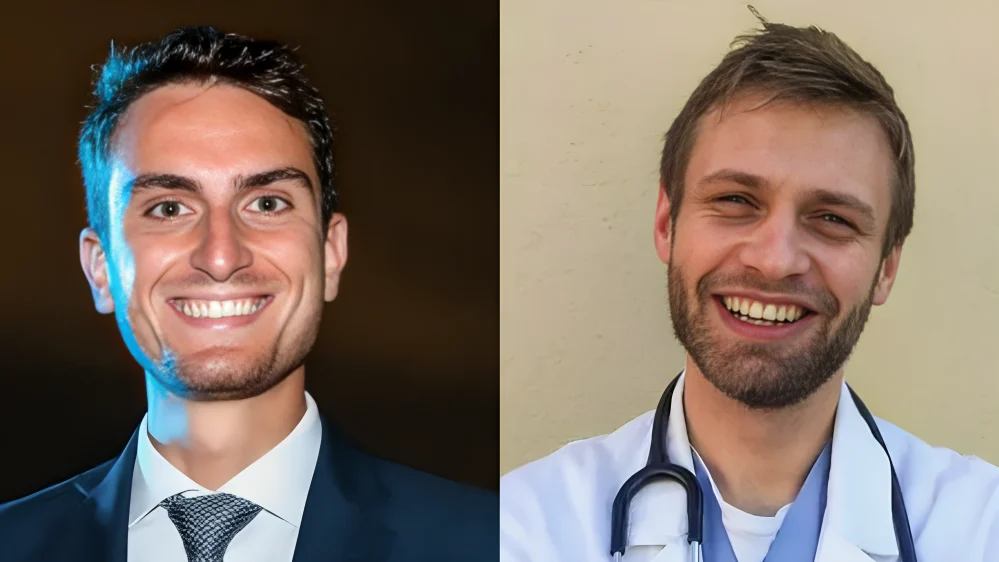
Paolo Santini, Internal Medicine Physician and Angiologist Consultant at National Cancer Institute Regina Elena IRCCS, shared a post on LinkedIn about a recent article he and his colleagues co-authored, published in Seminars in Thrombosis and Hemostasis:
“Cancer-associated thrombosis is a frequent challenge in everyday clinical practice, and one of the areas where clinicians often face difficult decisions.
Balancing the risk of recurrent thrombosis against the risk of bleeding during extended anticoagulation remains particularly complex in patients with cancer, requiring an individualized approach.
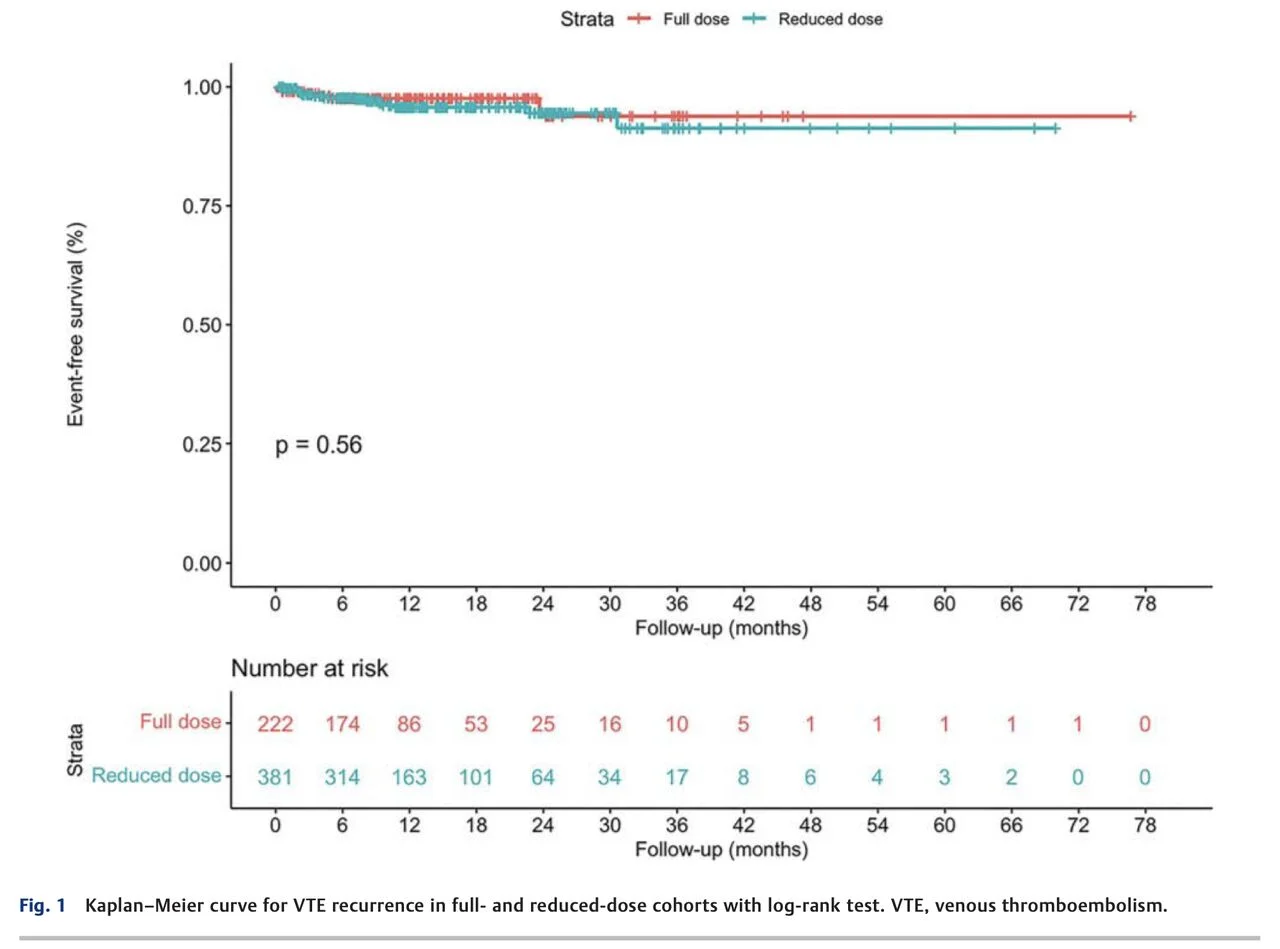
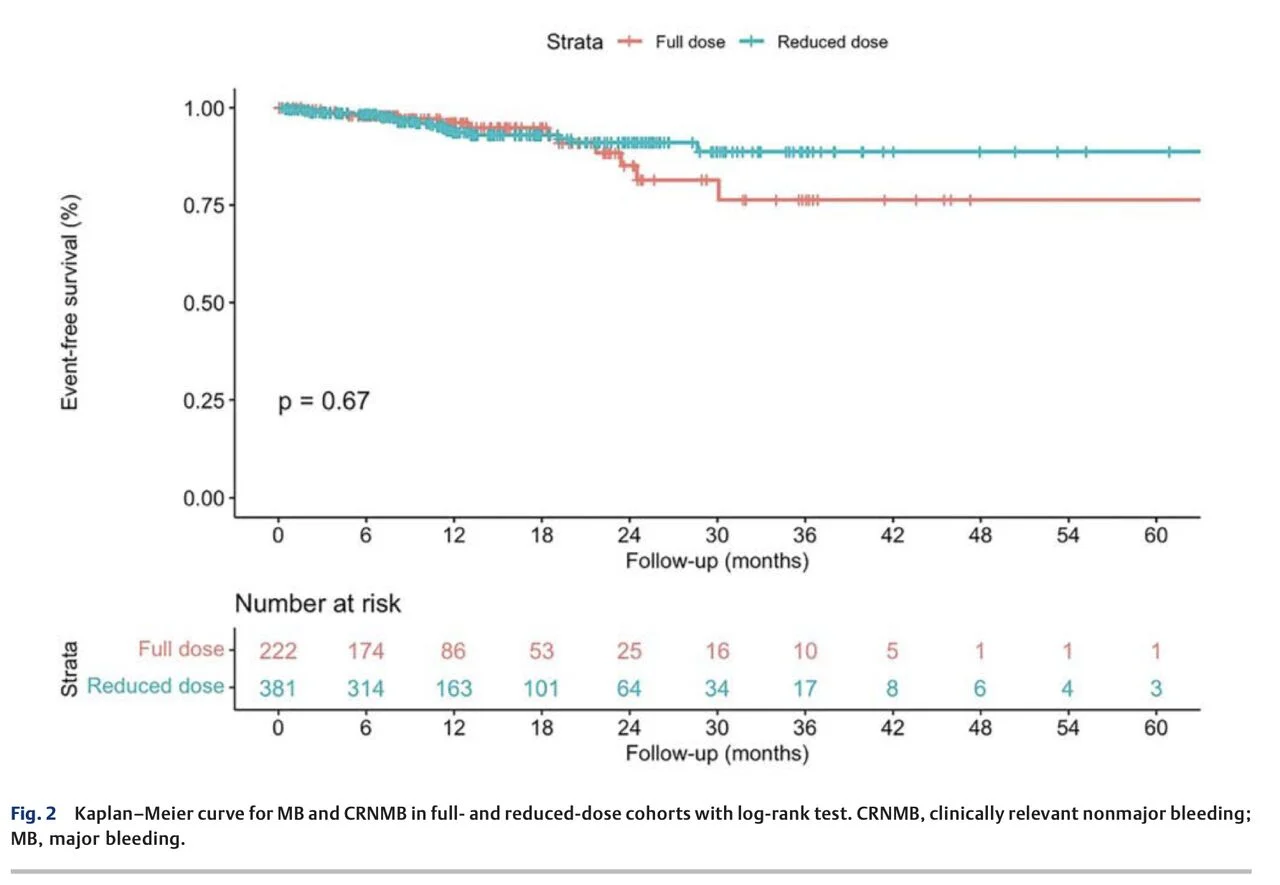
Following the results of the API-CAT trial, our multicenter real-world study provides additional evidence from routine clinical practice, showing that reduced-dose DOACs may be a reasonable option for selected patients requiring extended anticoagulation, with outcomes broadly consistent with those observed in the trial.
While these findings should be interpreted with the inherent limitations of observational data, we hope they contribute to the growing body of evidence supporting personalized decision-making in this setting.
I would like to sincerely thank all the co-authors for their collaboration, dedication, and teamwork throughout this project.
A special thank you goes to our supervisors for their constant guidance and thoughtful support, which made this work possible.”
Santagata Davide, Resident in Internal Medicine at University of Insubria, shared this post on LinkedIn, adding:
“Pleased to share our multicenter real-world study, now published in Seminars in Thrombosis and Hemostasis, evaluating full- versus reduced-dose DOACs for the extended treatment of cancer-associated thrombosis.
The management of anticoagulation beyond the initial treatment phase remains challenging, requiring a careful balance between recurrent venous thromboembolism and bleeding risk.
Our findings provide additional evidence from routine clinical practice to support a personalized approach in selected patients.
A sincere thank you to Paolo Santini for leading this project, to all the co-authors for their valuable contribution and teamwork, and to our supervisors for their continuous guidance and support.
It was a great pleasure contributing to this collaborative work.”
Title: Full- versus Reduced-Dose Direct Oral Anticoagulants for Extended Treatment of Cancer-Associated Thrombosis: A Multicenter Retrospective Cohort Study
Authors: Paolo Santini, Davide Santagata, Carolina Mosoni, Francesco Mancinetti, Angelo Porfidia, Lorenza Bertù, Chiara Zurlo, Tatiana Scandiuzzi Piovesan, Danilo Menichelli, Pasquale Pignatelli, Adriana Visonà, Marco Paolo Donadini, Walter Ageno, Roberto Pola
Stay updated on all scientific advances with Hemostasis Today.
-
Oct 16, 2026, 18:12Adil Nawaz: Extended Dual Antiplatelet Therapy After Coronary Stenting
-
Oct 16, 2026, 17:50Elad Asher։ STORM-PE Shows Functional Benefits of Thrombectomy
-
Oct 16, 2026, 17:32Shruthi Narayan: STORM-PE and STRIKE-PE Studies Advance Understanding of Recovery After Pulmonary Embolism
-
Oct 16, 2026, 17:22Wolfgang Miesbach։ What a Near-Perfect FISH Score Fails to See
-
Oct 16, 2026, 17:06Troels Wienecke: Connecting Myeloproliferative Disease and Ischemic Stroke
-
Oct 16, 2026, 17:03Only 5 Days Left to Submit Your Research for EAHAD 2027
-
Oct 16, 2026, 16:48Abdul Rahman: Reticulocyte Count and Bone Marrow Activity
-
Oct 16, 2026, 16:44DOAC Adherence in Stroke Patients With Atrial Fibrillation – International Journal of Stroke
-
Oct 16, 2026, 16:22Shannon Farmer: Driving Patient Blood Management Forward in Australia and New Zealand