


Swati Raikwar: Microplastics as a Threat to Cerebral Blood Flow
Swati Raikwar, Management Staff at Srest Information Technology Pvt Ltd, shared a post on LinkedIn about a recent article by Haipeng Huang et. al, published in Science Advances, adding:
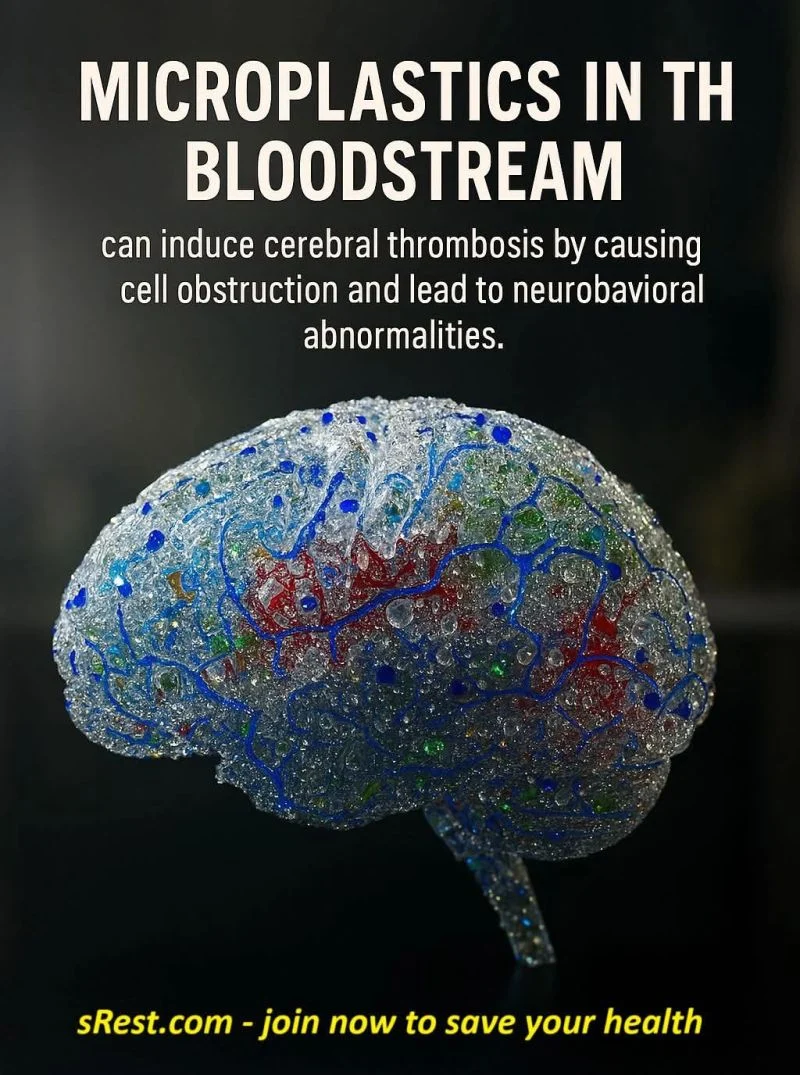
“Microplastics in the bloodstream can trigger cerebral thrombosis by obstructing blood vessels-leading to neurobehavioral abnormalities like anxiety and cognitive dysfunction.
Researchers observed immune cells getting trapped by microplastics in brain capillaries, disrupting blood flow without even crossing the blood-brain barrier.
Real-time imaging revealed ‘MP-Flash’-lightning-fast microplastic movement inside live brain vessels.
These findings raise urgent questions about long-term exposure through food, air etc.
You can easily prevent that, for as little as 1£/100Rs and save your health & lives..
Sponsor a tree today and create tonnes of plastic free food..”
Title: Microplastics in the bloodstream can induce cerebral thrombosis by causing cell obstruction and lead to neurobehavioral abnormalities
Authors: Haipeng Huang, Jiaqi Hou, Mingxiao Li, Fangchao Wei, Yilie Liao, Beidou Xi

Stay updated with Hemostasis Today.
-
Nov 19, 2026, 13:26M. Sekip Altunkan: The Thrombotic Risk of Andexanet Alfa
-
Nov 19, 2026, 13:18Felice Gragnano: Personalizing Antiplatelet Therapy After PCI
-
Nov 19, 2026, 13:11When Postpartum Warning Signs Are Ignored – National Blood Clot Alliance
-
Nov 19, 2026, 12:56Batool Abuhalimeh: The Hidden Psychological Burden of Pulmonary Embolism
-
Nov 19, 2026, 12:45Pedro Perez: PE Recovery – From Acute Treatment to Long-Term Follow-Up
-
Nov 19, 2026, 12:34Edward Lee Carter: Are We Ready for FXIa Inhibitors?
-
Nov 19, 2026, 12:19Essama Telli: When a Bruise Doesn’t Heal – Recognising the Warning Signs
-
Nov 19, 2026, 11:51Wolfgang Miesbach: Beyond Episomal Gene Therapy in Haemophilia B
-
Nov 19, 2026, 11:18A First Look at WFH CCS 2027