

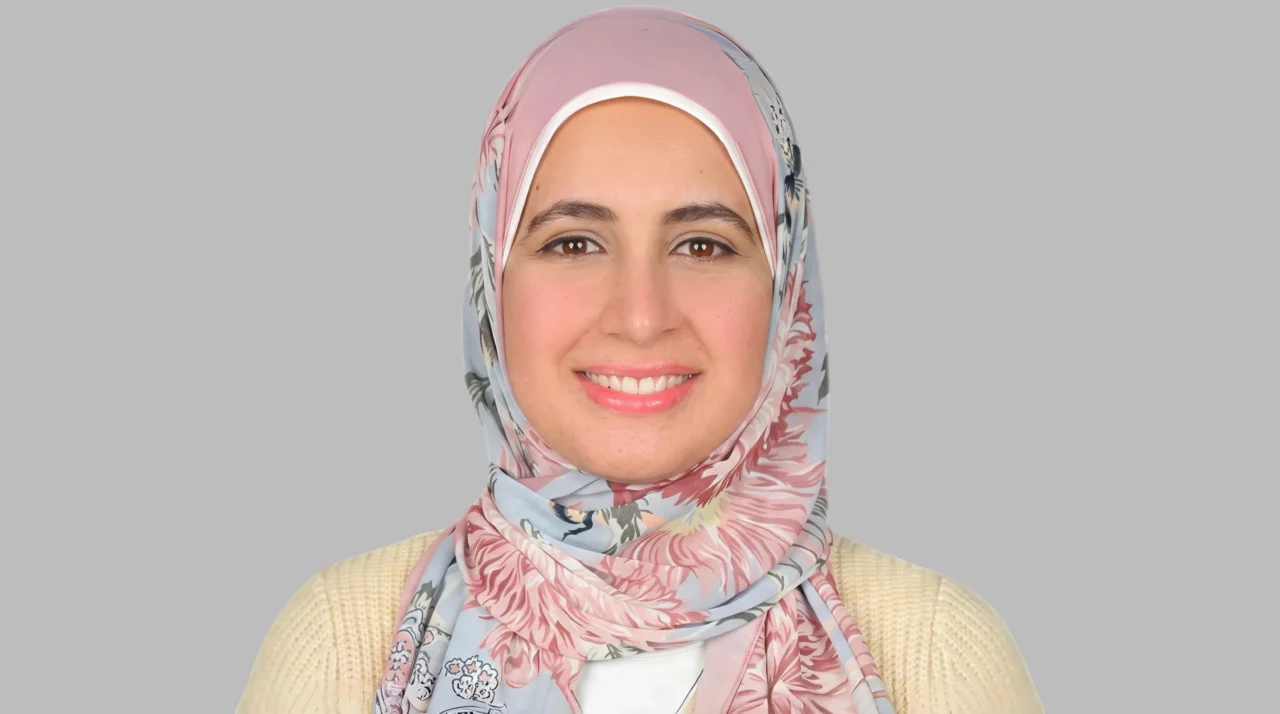
Yomna Maarouf: Should All Adolescent Girls Be Screened for Iron Deficiency?
Yomna Maarouf, Pediatrician at El Raml Pediatric Hospital (Wingat), shared a post on LinkedIn about a recent article by Jacquelyn M. Powers et al. published in Pediatrics, adding:
“A noteworthy update from the American Academy of Pediatrics (AAP): Universal iron deficiency screening for adolescent girls.
One recommendation that particularly caught my attention in the latest AAP Clinical Report on the prevention, screening, diagnosis, and treatment of iron deficiency is the recommendation for universal laboratory screening for iron deficiency in all female adolescents who are at least one year post-menarche, but no later than 14 years of age.
Why is this important?
Iron deficiency is the most common nutritional deficiency worldwide and often goes unnoticed.
In adolescent girls, excessive menstrual blood loss is a leading cause, and even mild iron deficiency can affect cognitive function, school performance, mood, and overall quality of life before anemia becomes severe.
The report also emphasizes continued assessment during annual well-child visits, with repeat testing based on symptoms (such as fatigue or pica) or risk factors, including heavy menstrual bleeding, low dietary iron intake, or blood donation.
As healthcare providers, timely screening allows us to identify iron deficiency early and intervene before significant complications develop.
What are your thoughts on incorporating universal iron deficiency screening into routine adolescent care?”
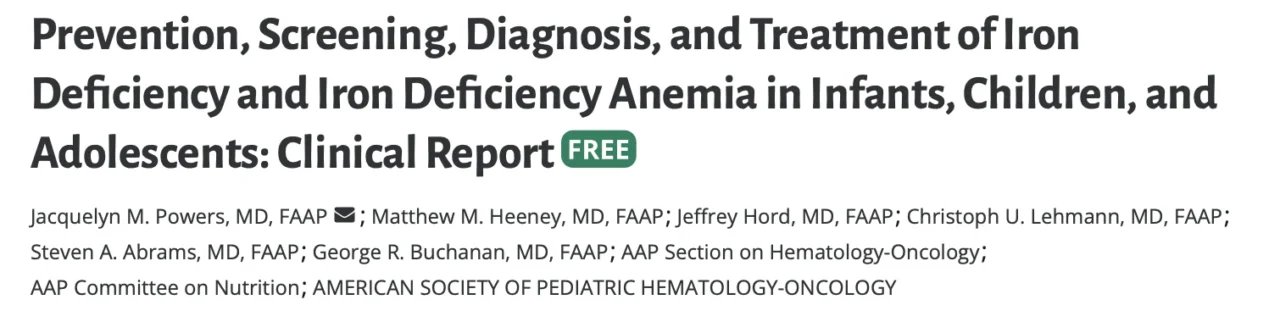
Title: Prevention, Screening, Diagnosis, and Treatment of Iron Deficiency and Iron Deficiency Anemia in Infants, Children, and Adolescents: Clinical Report
Authors: Jacquelyn M. Powers, Matthew M. Heeney, Jeffrey Hord, Christoph U. Lehmann, Steven A. Abrams, George R. Buchanan
Stay updated on all scientific advances with Hemostasis Today.
-
Oct 10, 2026, 13:15Meet NNHF at ASCAT 2026 – Novo Nordisk Haemophilia and Haemoglobinopathies Foundation
-
Oct 10, 2026, 11:32Thrombus Age Assessment Through Advanced Imaging and Biomarkers
-
Oct 10, 2026, 10:55Tzu-Fei Wang: How Should We Approach Anticoagulation for Cancer-Associated Gonadal and Renal Vein Thrombosis?
-
Oct 10, 2026, 10:50Robert Sidonio Joins ATHN Advanced Clinical Research Fellowship Program
-
Oct 10, 2026, 10:45Federica Fogacci: Co-Moderating at CA Meet 2026 in Padua – Elevating Lifestyle Interventions in Cardiology
-
Oct 10, 2026, 10:40Juan Cristóbal Morales Muñoz: Pharmacokinetic Profiling of Factor VIII Concentrates in Chilean Patients
-
Oct 10, 2026, 10:32Randall Schaefer: What Do Blood Product Wastage Rates Really Tell Us in Prehospital Care?
-
Oct 10, 2026, 10:26Simone Strasser: ROTEM-Guided Transfusion Cuts Blood Product Use in Patients with Cirrhosis
-
Oct 10, 2026, 10:18Jérôme S.: WHO Launches Global Roadmap to Combat Hypertensive Disorders of Pregnancy