


Maxime Dely: The Needle Behind Every Donation
Maxime Dely, Sales and Application Specialist in Therapeutic Apheresis and Cell Therapy, shared a post on LinkedIn:
“The needle: small in size, but huge in perception!
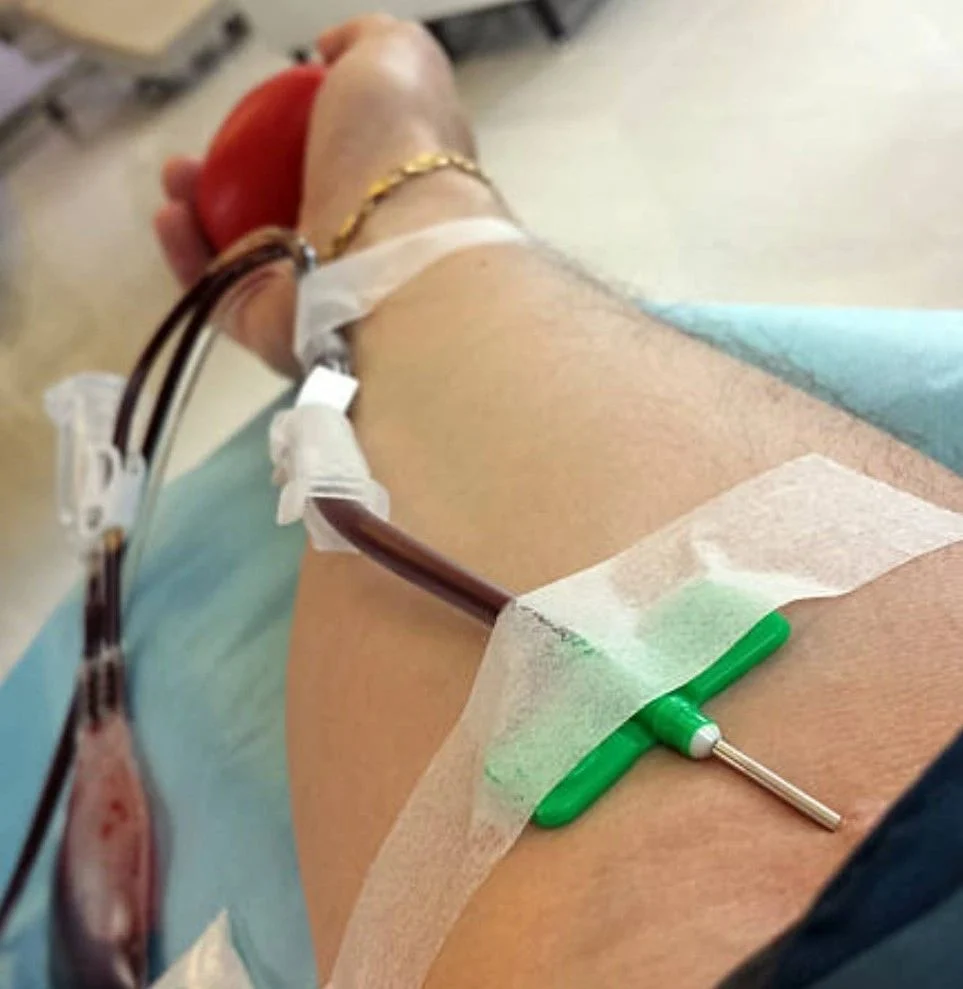
Fear of needles and pain remains a major barrier to blood donation. Perhaps the best way to overcome this fear is to better understand the device itself and take away some of the mystery.
A needle has three main components:
- The hub: connects it to the collection device.
- The cannula: allows blood to flow through.
- The tip: enables tissue penetration.
Gauge (G) follows an inverse scale: the smaller the number, the larger the needle diameter!
In whole blood collection and apheresis, 16 G needles are commonly used, although practices vary between countries.
Needle performance depends on three key factors: professional experience, donor vein quality (hydration and elasticity), and needle manufacturing quality, particularly sharpness and silicone coating, which helps reduce friction.
Understanding the needle is also a way to build confidence and reassure donors.
Because every detail matters when it comes to the donor experience!”
Find more posts featuring Maxime Dely on Hemostasis Today.
-
Nov 16, 2026, 10:48Tareq Abadl: Why the Kell Blood Group System Matters
-
Nov 16, 2026, 10:40TIF in China – Advancing Regional Cooperation in Thalassaemia Prevention and Care
-
Nov 16, 2026, 10:40Dhargam Aljebouri: A Milestone for Transfusion Medicine in Iraq
-
Nov 16, 2026, 10:35Arisha Patel: Why a Normal Blood Count Can Miss Iron Deficiency
-
Nov 16, 2026, 10:29Marilena Vrana: Building a Resilient Plasma Ecosystem in Europe
-
Nov 16, 2026, 10:24Hichem Selatna: Advancing Hematology Laboratory Automation
-
Nov 16, 2026, 10:20Erin Harris: CRISPR Gene Therapy in Children
-
Nov 16, 2026, 10:19Beverley Hunt: PE Knows No Age – Isaac’s Story
-
Nov 16, 2026, 10:08Abdul Mannan: When Normal Blood Counts Hide Iron Deficiency