

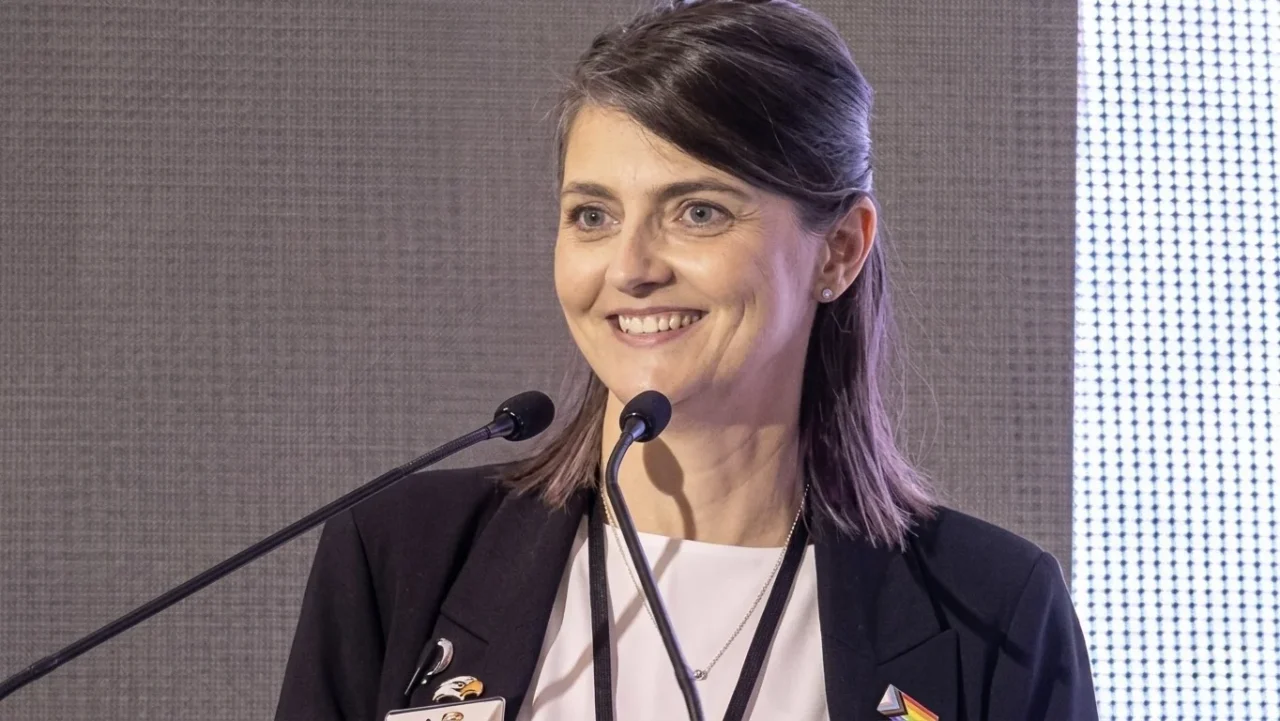
Danielle Boyle: Beyond Platelet Counts – Why Patient Stories Matter
Danielle Boyle, Founder and CEO of ITP Australia and New Zealand, shared ITP Australia and New Zealand‘s post on LinkedIn:
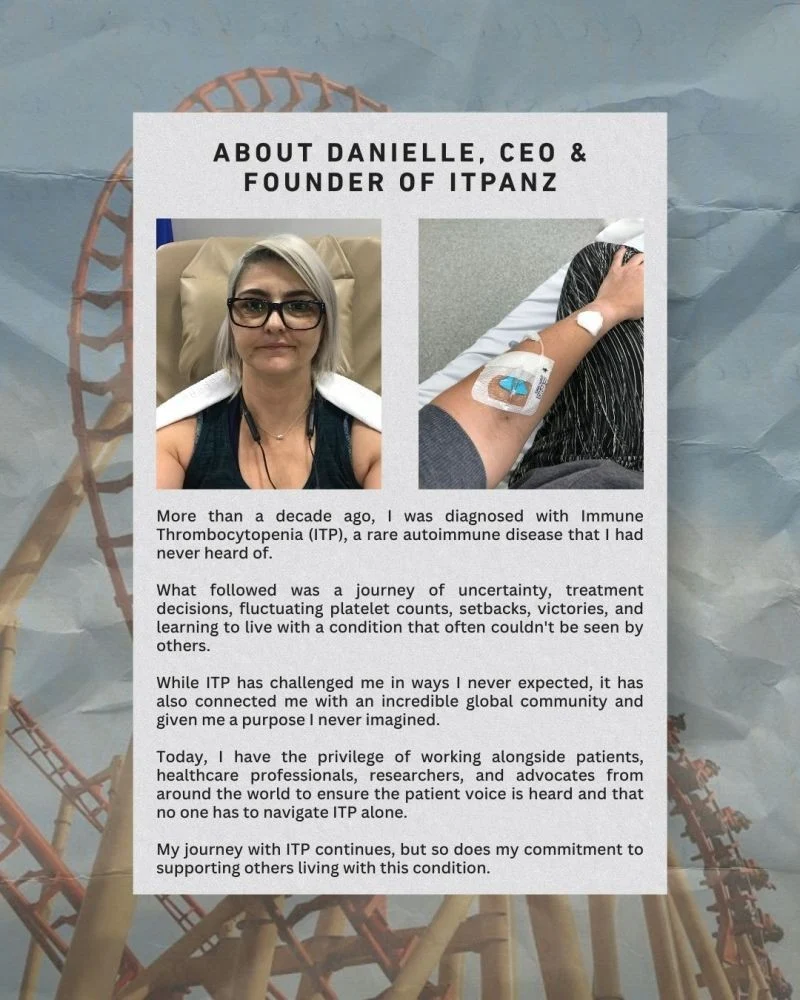
“For more than a decade, I’ve lived with Immune Thrombocytopenia (ITP).
Over those years, I’ve had countless blood tests, multiple treatments, hospital visits, difficult conversations, and moments where I questioned what the future might look like.
What I wasn’t prepared for was everything that happened in between.
- The fatigue that can’t be measured by a blood test.
- The uncertainty that follows you home after an appointment.
- The treatment decisions that keep you awake at night.
- The constant balancing act between living your life and managing a chronic condition.
- Those experiences are what ultimately led me to establish ITP Australia and New Zealand.
Not because I had all the answers.
But because I knew how powerful it would have been to hear someone say: ‘I’ve been there too.’
Today, I have the privilege of working alongside patients, healthcare professionals, researchers, industry partners, and advocates from around the world to help ensure that lived experience is not an afterthought in healthcare, research, education, or policy.
Because platelet counts tell part of the story. Patient stories tell the rest.
Every time a patient shares their experience, they’re helping healthcare professionals better understand the realities of life beyond the clinic.
They’re helping researchers identify unmet needs. They’re helping newly diagnosed patients realise they aren’t alone.
And that’s why patient voice matters.
- Not just in support groups.
- Not just on social media.
But in every room where decisions are being made about the future of care.
Thank you to everyone who has shared their story, trusted us with their journey, and helped shape a stronger ITP community.
What’s one thing you’ve learned from a patient that changed the way you think about healthcare?”
ITP Australia and New Zealand shared a post on LinkedIn:
“Patients often teach us things that clinical studies can’t.
A blood test tells us what is happening biologically. A patient story tells us what is happening personally.
- The fatigue.
- The uncertainty.
- The effect on work.
- The treatment burden.
- The things that happen between appointments.
Patient stories help connect data to lived experience.
In doing so, they improve understanding, communication, and care.
What has a patient taught you that wasn’t covered in a guideline or textbook?”
Other posts featuring Danielle Boyle on Hemostatis Today.
-
Nov 16, 2026, 15:16How Do Artificial Hearts Affect Platelet Function? – Platelets Journal
-
Nov 16, 2026, 15:10Assessing Coagulation Activation in DOAC – Treated Patients – JTH
-
Nov 16, 2026, 15:00Davide Antonio Mei: Should Anticoagulation Continue After AF Ablation?
-
Nov 16, 2026, 14:28Jan Sloves: The Future of Vascular Ultrasound
-
Nov 16, 2026, 13:49Bahman Rasouli: A Rare Vascular Manifestation of Recurrent Papillary Thyroid Carcinoma
-
Nov 16, 2026, 13:28Muhammad Danyal: Platelet Patterns in Hepatitis B and C
-
Nov 16, 2026, 12:52Frank Nocken: Alzheimer’s Research Expands Beyond Amyloid-Based Treatments
-
Nov 16, 2026, 12:44Stefan Prendić: How Intronic Variants Affect Rh Blood Group Antigen Expression
-
Nov 16, 2026, 12:26Samwel Mikaye: Understanding Warfarin and Its Clinical Management