


Michael Holmes: Why Matched Platelet Donations Matter for Refractory Patients
Michael Holmes, Senior Business Analyst – Systems Transformation and Quality Assurance at Public Transport Authority, shared a post on LinkedIn:
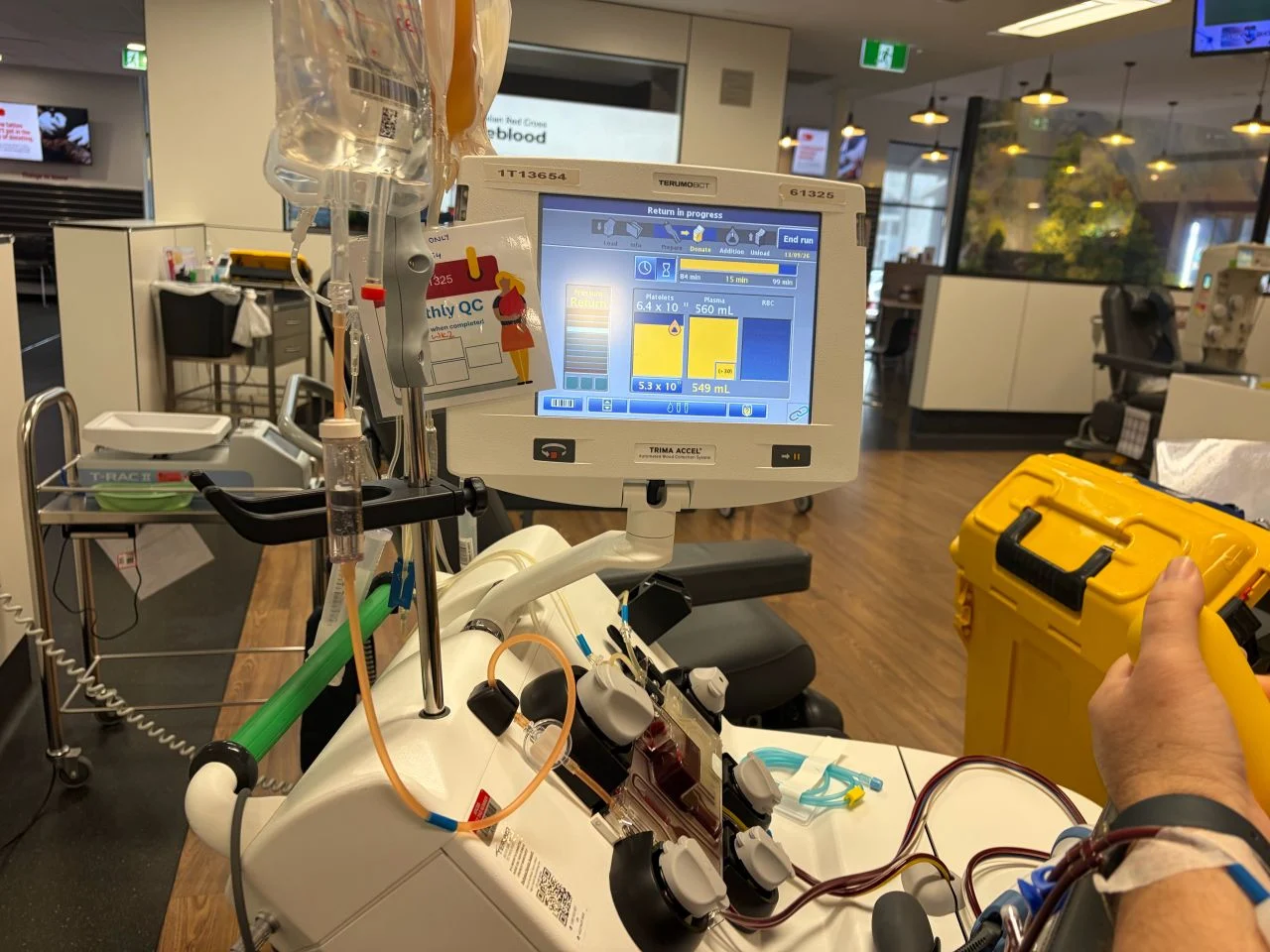
“Matched platelets donation today, 50th platelets donation, 171 overall donations.
If you’re healthy and well roll up (to your nearest Australian Red Cross Lifeblood donation centre), roll up (your sleeve, or better yet wear short sleeves).
What is a matched platelet donation?
Matched platelet donation involves providing specialized platelets that match a patient’s Human Leukocyte Antigen (HLA) or Human Platelet Antigen (HPA) tissue type, rather than just standard ABO blood types.
Why Matched Platelets Are Needed
Platelet Refractoriness: Some patients—such as those undergoing intensive chemotherapy, leukemia treatment, bone marrow/stem cell transplants, or multiple prior transfusions—develop HLA antibodies that destroy standard donor platelets.
Antibody Development: These antibodies can form from previous transfusions, past pregnancies, or organ transplants.
Clinical Efficacy: When standard platelets fail to raise the patient’s platelet count or stop bleeding, HLA-matched or HPA-matched apheresis platelets are required so the body accepts them.
How the Matching Process Works
Database Screening: Blood centers (like the Australian Red Cross Lifeblood) maintain registries of platelet donors who have already been HLA-typed.
Targeted Calls: When a hospital requests a compatible unit for a refractory patient, the blood center searches its database for a donor whose tissue type will not trigger the patient’s antibodies.
Apheresis Collection: Matched platelets are harvested via apheresis (a process that separates platelets and returns red blood cells and plasma to the donor) and must be delivered quickly due to their 5-day shelf life.”
Stay updated with Hemostasis Today.
-
Nov 21, 2026, 07:18Raising Awareness of Inherited Bleeding Disorders in Women and Girls – World Federation of Hemophilia
-
Nov 21, 2026, 07:10Emmanuel J Favaloro: Latest Publication Posted Online at Seminars in Thrombosis and Hemostasis
-
Nov 21, 2026, 06:52Novel ADAMTS13 Fusion Construct Targets Dual Mechanisms in Immune-Mediated TTP – JTH
-
Nov 21, 2026, 06:38Michael Lichtenberg: Long-Term Results of Venovo Venous Stenting From the Arnsberg Venous Registry
-
Nov 21, 2026, 06:24Glycocalicin Accumulation Within Thrombi Reveals Species-Specific Mechanisms – Platelets Journal
-
Nov 21, 2026, 03:45Aref Ghanaatpisheh: The Role of Systemic Inflammation in Preoperative Deep Vein Thrombosis Risk Assessment
-
Nov 21, 2026, 03:43Dimitrios Hatzichristou: Advancing Standardization and Quality Control in Platelet-Rich Plasma Therapy
-
Nov 21, 2026, 03:15Amirabbas Sheykhalo: Silent Mesenteric Ischemia in Portomesenteric Thrombosis
-
Nov 21, 2026, 02:51Ivone Su: Raising Awareness of Venous Thromboembolism