

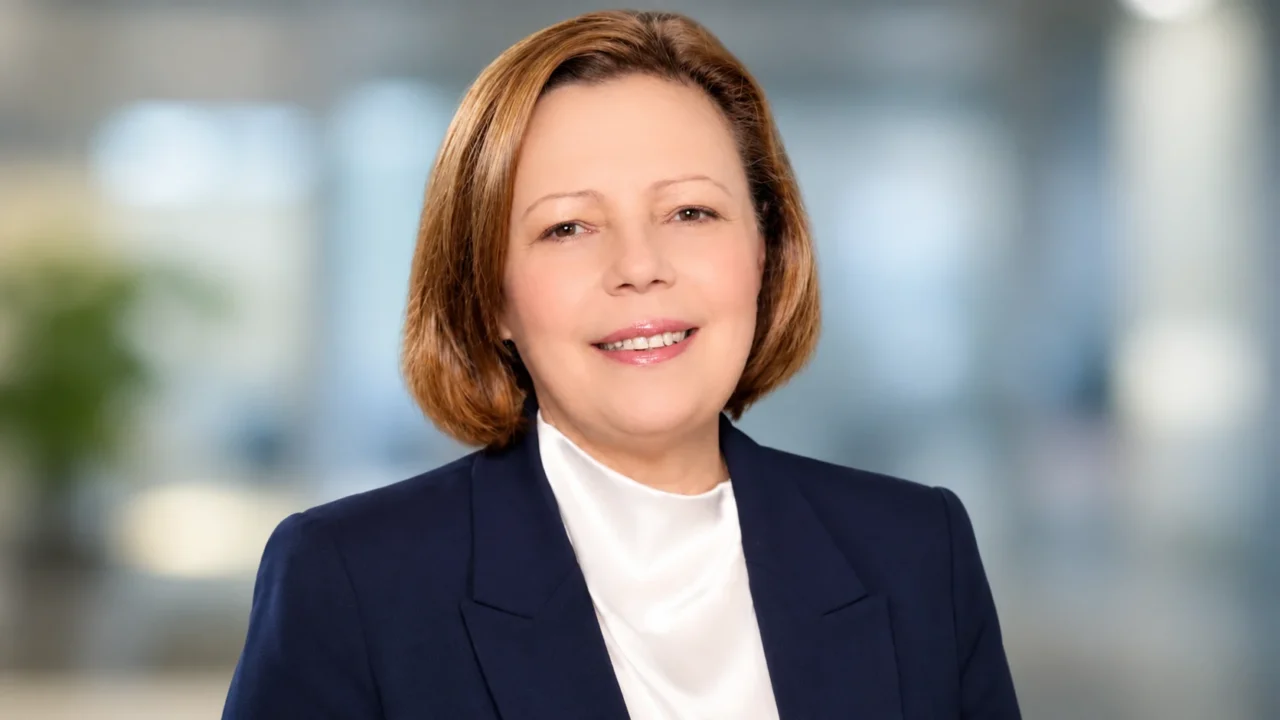
Sophia Delicou: Transforming Haemoglobin Disorders Through Innovation and Patient-Centred Care
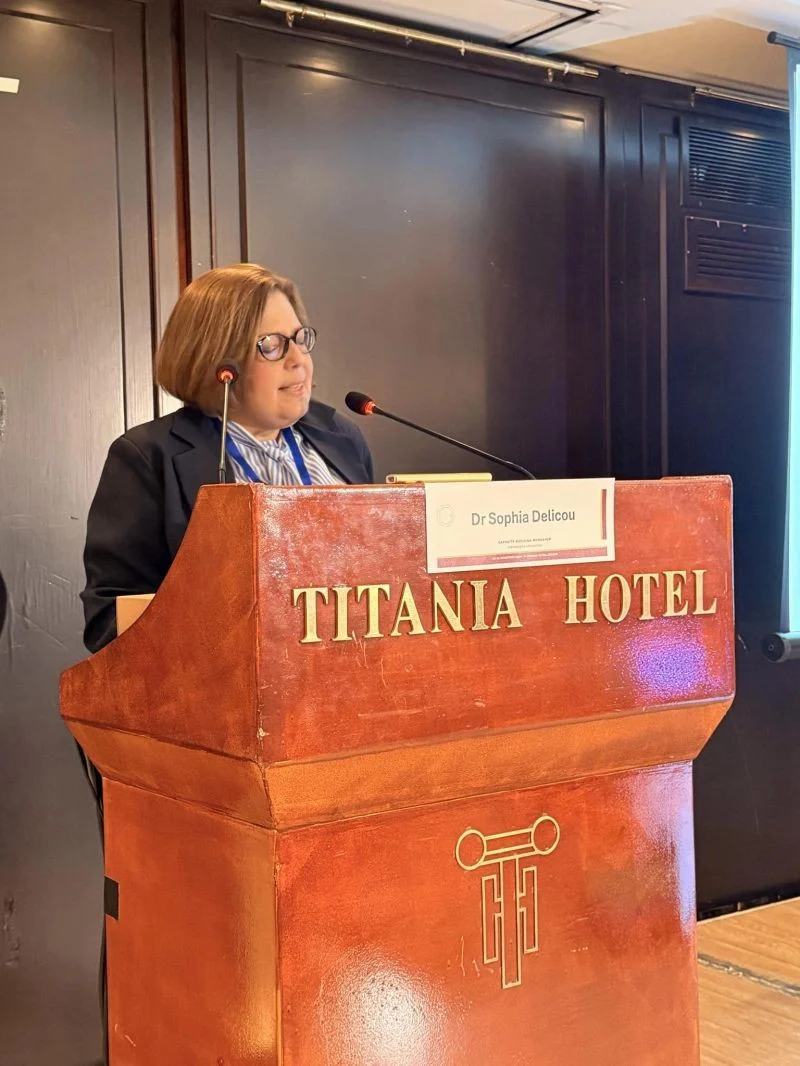
Sophia Delicou, Head of Thalassemia and Sickle Cell Unit, Head of the Expertise Center of Hemoglobin Diseases and Their Complications at Hippokrateio General Hospital, shared a post on LinkedIn:
“Transforming Haemoglobin Disorders: From Scientific Breakthroughs to Better Patient Outcomes.
Two scientific presentations. One session co-chairmanship. One clear mission: Turning innovation into meaningful change for patients.
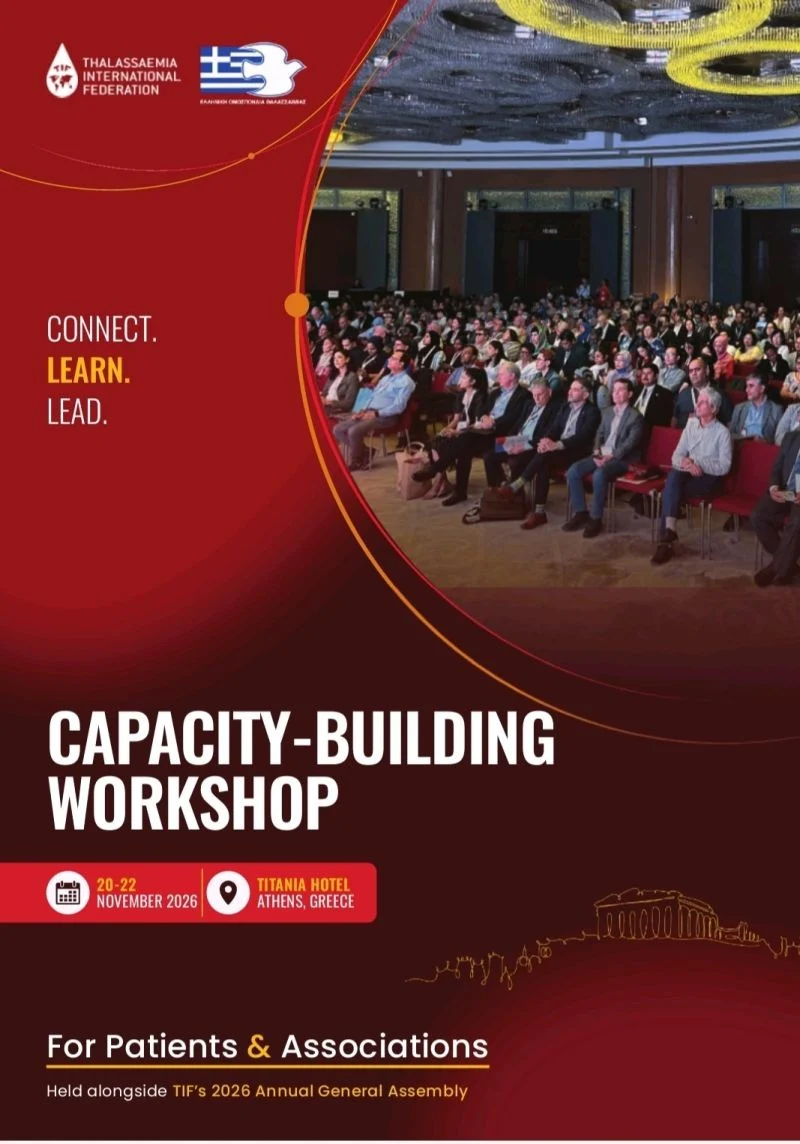
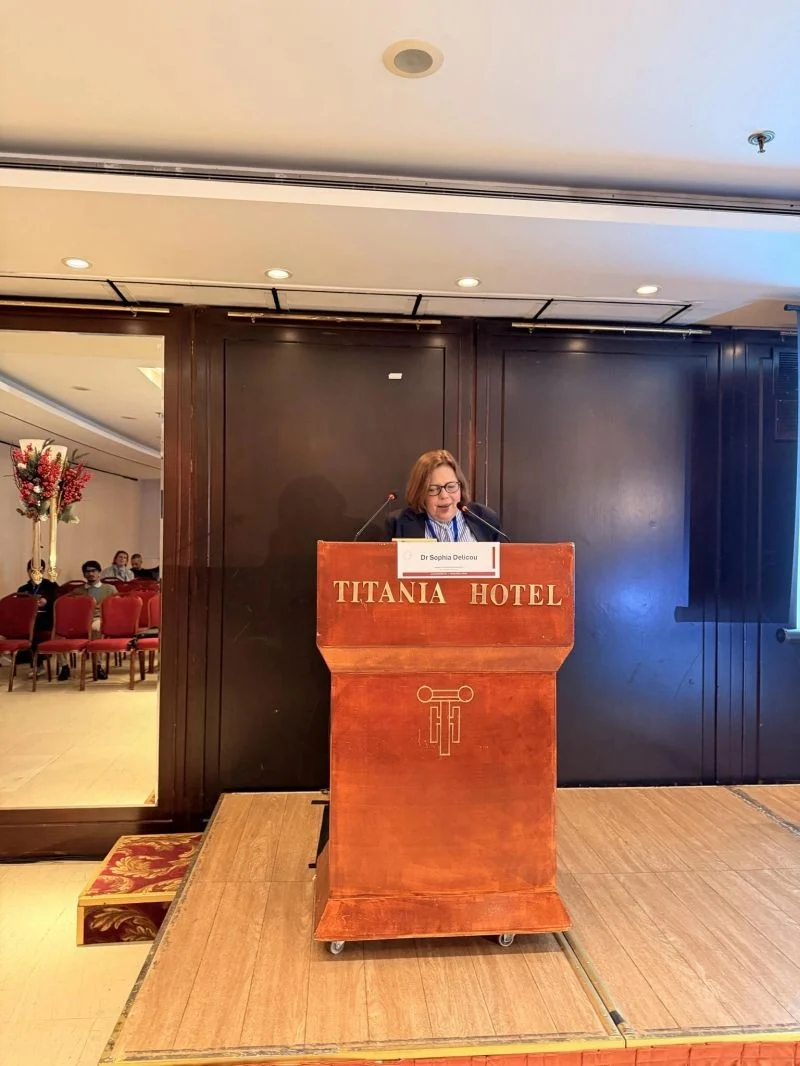
It is a great honour to contribute as an invited speaker and session co-chair to the Thalassaemia International Federation (TIF) Capacity-Building Workshop for Patients & Associations, taking place on 20–22 November 2026 in Athens, Greece.
My participation focuses on three interconnected priorities shaping the future of haemoglobin disorder management:
1. Advanced Therapy Medicinal Products (ATMPs): Transforming Lives — Are They with Us?
Gene and cell therapies are redefining what is possible in the treatment of haemoglobin disorders. However, scientific breakthroughs represent only the beginning. The real challenge lies in translating innovation into safe, effective, accessible and sustainable treatment options for patients.
2. Multidisciplinary and Patient–Centred Care
The future of healthcare cannot be defined by therapeutic innovation alone. It requires integrated models of care, multidisciplinary expertise, coordinated clinical pathways and meaningful patient involvement in healthcare decisions.
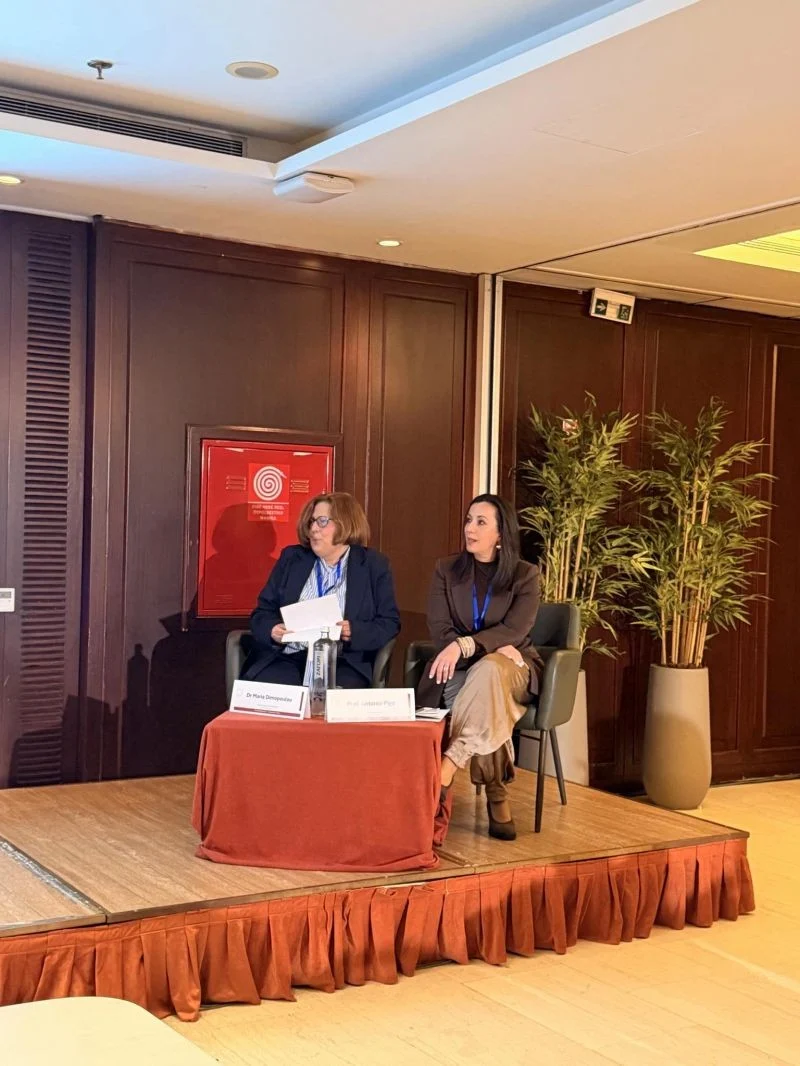
3. Co–Chairing the Session: ‘Transforming Haemoglobin Disorders – New Advances in Care’, alongside Dr Perla Eleftheriou.
An important opportunity to bring together scientific expertise, emerging therapeutic developments and clinical perspectives in a rapidly evolving field.
My central message is clear:
- We must not only transform how we treat haemoglobin disorders. We must transform how we deliver care.
- Innovation without access is an unfinished achievement.
- Advanced therapies without comprehensive, lifelong care are not enough.
- And scientific progress without the active involvement of patients cannot reach its full potential.
The next era of haemoglobin disorder management must combine therapeutic innovation, clinical excellence, multidisciplinary collaboration, equitable access and patient empowerment.
I sincerely thank the Thalassaemia International Federation for the invitation and for its continued leadership in connecting healthcare professionals, researchers and patient organisations worldwide.
The future of haemoglobin disorders is not simply about developing better treatments. It is about building a better future for every patient.
From innovation to implementation.
From scientific progress to real-world impact.”
Other posts feauturing Sophia Delicou on Hemostatis Today.
-
Nov 22, 2026, 12:15Toby Richards: Adenomyosis and Its Impact on Female Fertility
-
Nov 22, 2026, 11:11George Kumar: Early Gastric Cancer Detection Through Red Blood Cell DNA Profiling
-
Nov 22, 2026, 10:50Kemal Karaagac: A Phenotype-Guided Approach to Stroke Prevention
-
Nov 22, 2026, 10:32Bianca Rocca: Thromboinflammation and Microvascular Injury in Shock-Associated Limb Ischaemia
-
Nov 22, 2026, 10:14How DVT Pumps Help Prevent Blood Clots in Hospitalized Patients – Aastha Hospice Lucknow
-
Nov 22, 2026, 10:01Aravind Palraj: When Inflammation and Macrocytic Anemia Point to VEXAS
-
Nov 21, 2026, 20:00Jeyda Star: The FAST Signs of Stroke and the Reality of Life Afterward
-
Nov 21, 2026, 19:59Daniel Lindholm: Women Showed the Largest Improvement in Stroke Risk Over Time in Heart Failure
-
Nov 21, 2026, 19:56Neil Arrowsmith: Raising Awareness of Pulmonary Embolism in Young People