

Lisa-Marie Müller: Acute Pulmonary Embolism Outcomes in Germany
Lisa-Marie Müller, Scientific Research Associate in Healthcare Research and Epidemiology at Gesundheitsforen, shared a post on Linkedin:
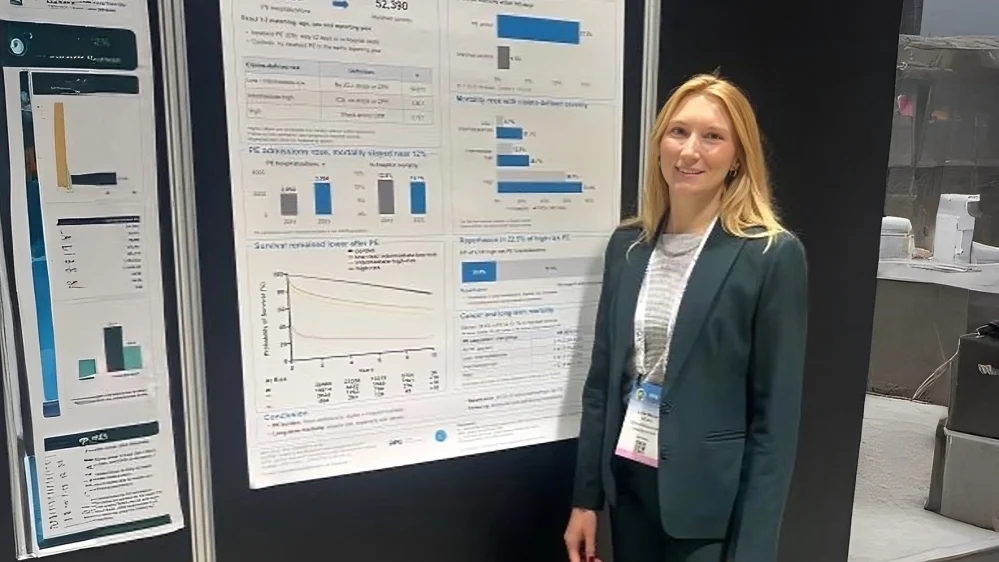
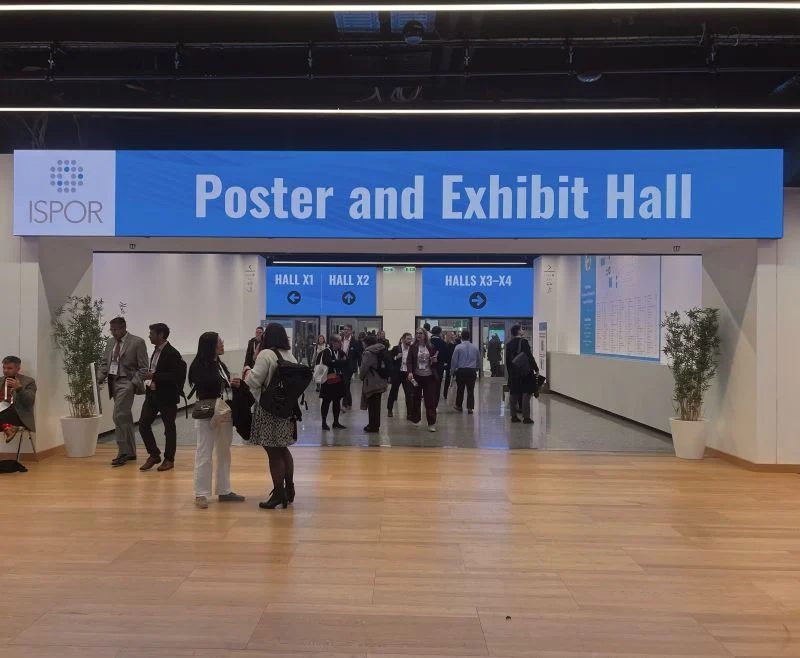
“Great to be at ISPOR Europe 2026 in Vienna, sharing our latest research and looking forward to interesting discussions with colleagues from around the world!
Pulmonary embolism remains a major cause of cardiovascular morbidity and mortality.
Despite advances in diagnostic and therapeutic strategies, challenges in risk stratification, treatment decisions, and long-term outcomes persist.
Our research provides real-world evidence on trends in treatment and outcomes of acute pulmonary embolism in Germany between 2014 and 2023, based on 26,195 hospitalizations.
Our findings show that in-hospital mortality remained at approximately 12%, while only 22.5% of high-risk patients received reperfusion therapy.
One-year mortality reached 27.5%, highlighting the substantial long-term disease burden.
These findings emphasize the need for improved risk stratification and optimized treatment strategies.
ISPOR Europe 2026 | Vienna
November 9 | Poster EPH54 | Board 1013”
Stay updated with Hemostasis Today.
-
Nov 24, 2026, 07:01Jesse Solar: Raising Awareness About Blood Clots and Pulmonary Embolism
-
Nov 24, 2026, 06:21Daniel Strohleit: The Challenge of Early Pulmonary Embolism Detection
-
Nov 24, 2026, 06:14Shabnam Boudagh: A Tiny Valve Clot With Major Consequences in Antiphospholipid Syndrome
-
Nov 24, 2026, 05:24Vinod Ravindran: Pregnancy Outcomes in Women With Antiphospholipid Antibodies
-
Nov 24, 2026, 03:28Tobias Tichelbäcker: Mechanical Thrombectomy for Acute Pulmonary Embolism
-
Nov 24, 2026, 03:26Natalie Wong: ASH 2026 Guidelines on the Diagnosis of Iron Deficiency
-
Nov 24, 2026, 03:17Shadi Tabibian: Beyond Bleed Counts Improving the Quality of Life in Hemophilia Care
-
Nov 24, 2026, 03:02Rehab Salah: An Overlooked Cause of DAT-Negative Neonatal Jaundice
-
Nov 24, 2026, 02:56Karim Jamaleddine։ Shoulder Dislocation and DVT – New Evidence on the Low Risk of Thrombosis