


10 Posts Not to Miss This Week
This week’s highlights bring together important discussions and developments across blood donation, transfusion medicine, hematology, hemostasis, and thrombosis. Contributions highlight the ongoing global need for blood donations and the challenges of ensuring a reliable blood supply, alongside a clinical case of tricuspid non-bacterial thrombotic endocarditis in a patient with antiphospholipid syndrome, chronic thromboembolic pulmonary hypertension, and recurrent thrombosis following a switch from warfarin to apixaban.
Further insights explore the essential role of vitamin B6 in heme synthesis, red blood cell production, mitochondrial function, and neurological health, including the consequences of deficiency and excessive supplementation. The roundup also features the latest discussions on pediatric acquired thrombotic thrombocytopenic purpura, caplacizumab, anticoagulation after atrial fibrillation ablation, venous thromboembolism prevention, blood group testing, heparin-induced thrombocytopenia, antiplatelet strategies, platelet refractoriness, and emerging approaches to bleeding disorders.
Explore this week’s expert perspectives, clinical insights, research updates, and calls to action, highlighting the importance of blood donation, advances in patient care, and evolving challenges across the blood sciences.
David McIntosh, Founder and Chair of United Plasma Action:
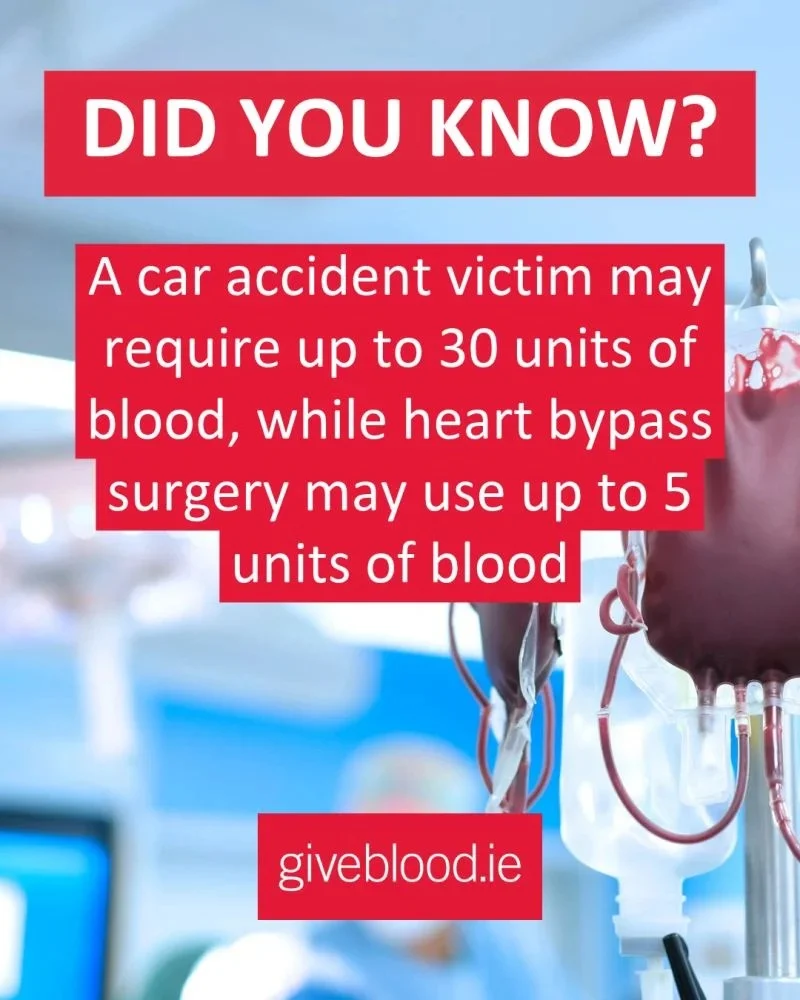
”This, ladies and gentlemen, is the blood donation message needed in all nations world-wide!!
Please do repost it!!
Globally, in most nations, most of the time, there is a fatal shortage of blood, and consequent unnecessary loss of life.
To save each life, it’s most likely that numerous units from numerous donations will be necessary.
And yet … bizarrely …. many Blood Transfusion Services still send out that old familiar message about how ‘one donation can save three lives’.
It sounds conforting of course, but it’s simply not true.
We cannot save three of those threatened lives with one donation.We’re much more likely to need three donations to save one life.
- The Irish message is clear.
- The Irish message is accurate.
Please, we need more blood – much more!!”
Shabnam Boudagh, Associate Professor at Rajaie Cardiovascular, Medical and Research Institute:
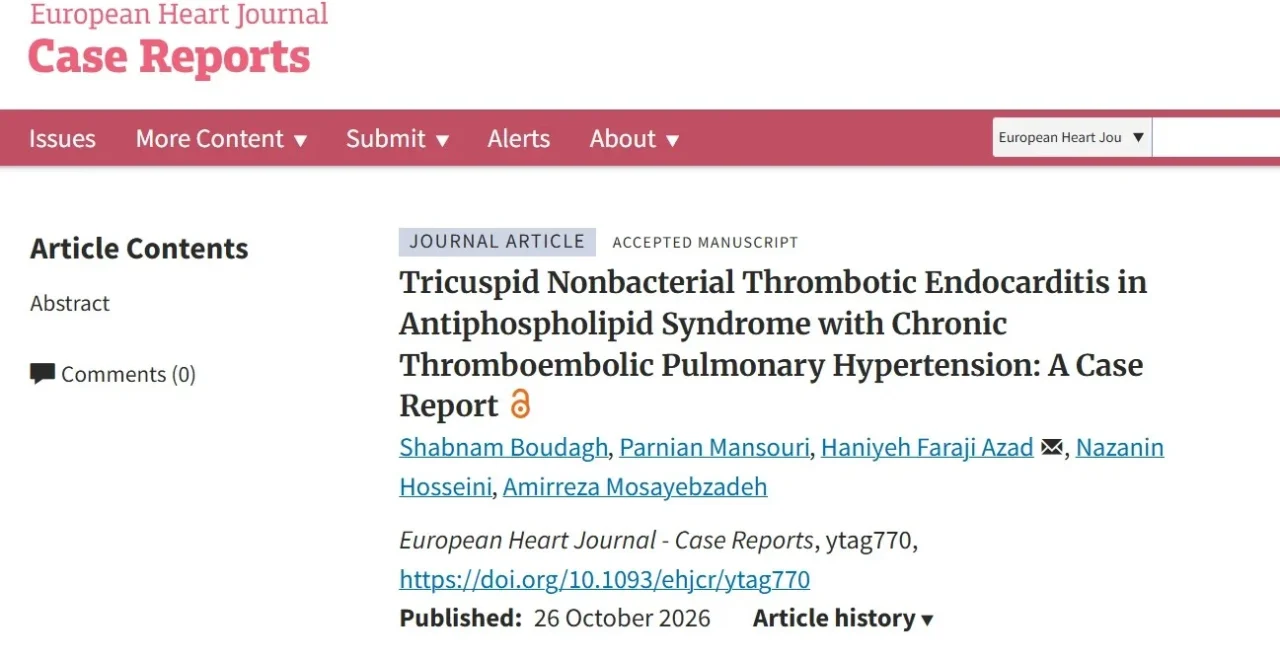
“Our New case report out in European Heart Journal:
When a tiny clot on a valve changes the whole clinical picture.
Tricuspid NBTE in Antiphospholipid Syndrome with CTEPH — a 54-year-old man developed a tricuspid valve thrombotic mass around 12 months after switching from warfarin to apixaban.
Triple-positive APS confirmed; warfarin plus immunosuppression plus plasmapheresis led to complete resolution.
Thanks to my dear colleagues.”
Chloe James, President of the French Society on Thrombosis and Haemostasis (SFTH), Professor at the University of Bordeaux:
“A wonderful scientific day of the FIM (France Intergroup on Myeloproliferative Syndromes) today in Paris, very rich in exchanges!
Our team (hematology laboratory of CHU de Bordeaux and UMR Inserm U1034 – Biology of Cardiovascular Diseases, Biology of cardiovascular diseases) was well represented there:
GUY Alexandre presented the results of the MPN-BioClot study, published in Leukemia: thrombo-inflammatory markers are associated with a high thrombotic risk in patients with newly diagnosed myeloproliferative neoplasia.
Bérénice Dugué presented his thesis work, supervised by Charles Dussiau and conducted in collaboration with the Rebekka K. Schneider, MD, PhD team.
They are published in Cell Stem Cell: spatial profiling of the spleen in myelofibrosis, in mice and humans, shows complement-controlled immuno-stromal interactions that could become a therapeutic target.
Thanks to FIM for organizing, and congratulations to Alexandre and Bérénice!”
Chaza Alaji, Medical Laboratory Specialist and Supervisor at Privat University-Private Laboratory-General Hospital:
“Vitamin B6: The Mitochondrial Architect of Blood Formation – From Heme Synthesis to Brain and Nerve Function
Vitamin B6 is an essential cofactor in over 100 enzymatic reactions, playing a central role in red blood cell production, amino acid metabolism, neurotransmitter synthesis, and immune function.
Its active form, pyridoxal-5-phosphate (PLP), is particularly important for heme synthesis.
1. Vitamin B6: Essential for Heme Synthesis
Heme synthesis begins inside mitochondria, where glycine combines with succinyl-CoA to form delta-aminolevulinic acid (ALA).
This reaction is catalyzed by ALA synthase (ALAS), which requires PLP. In developing red blood cells, the ALAS2 isoform plays a key role.
B6 deficiency can impair heme production and contribute to sideroblastic anemia, in which iron accumulates in the mitochondria of developing erythroblasts.
Not all sideroblastic anemia is caused by B6 deficiency; genetic defects, medications, and toxins are other causes.2. Interaction with Other B Vitamins
- Vitamin B6 works closely with other B-complex vitamins:
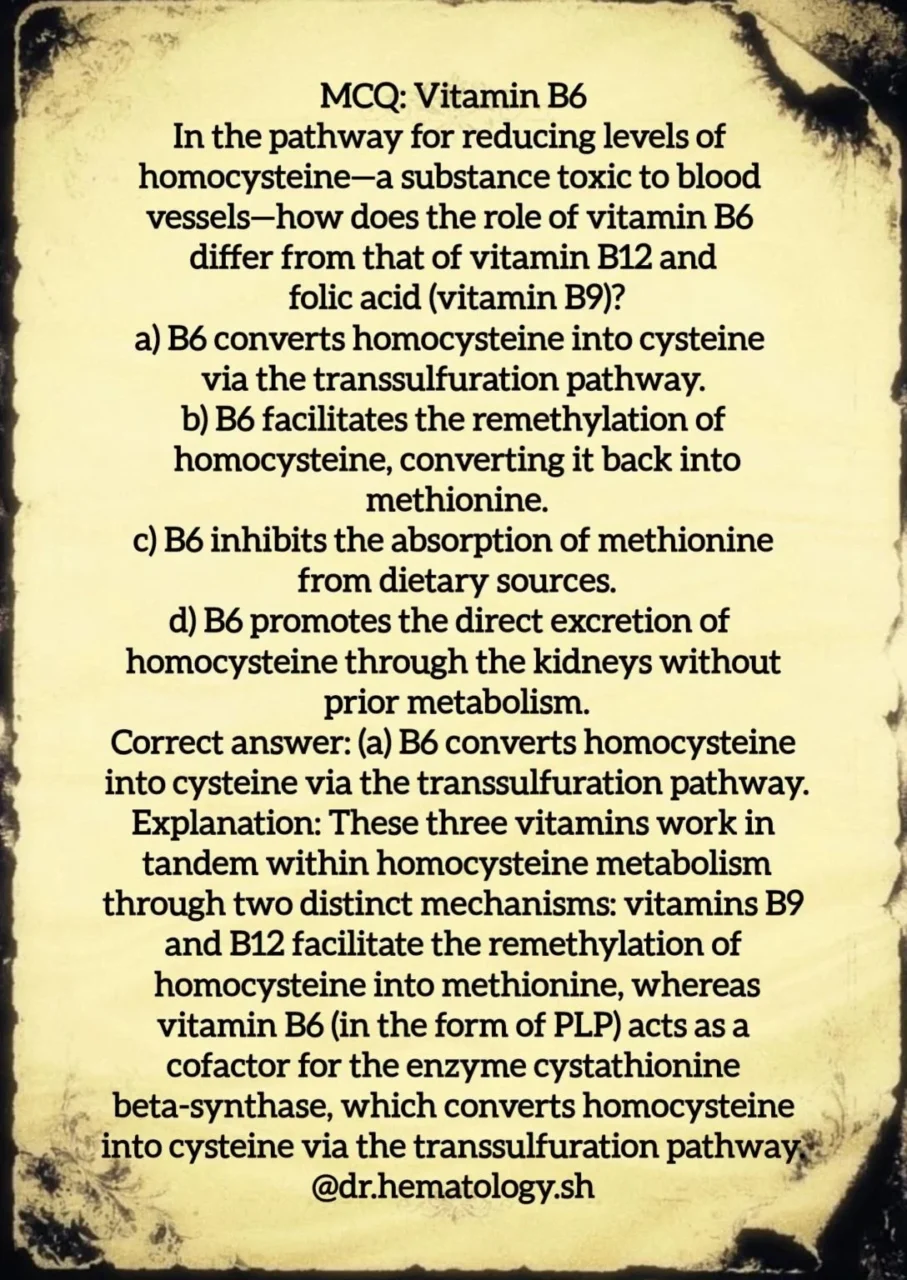
- B6, B9, and B12: Cooperate in homocysteine metabolism. B6 supports the transsulfuration pathway, while B9 and B12 contribute to its remethylation into methionine.
- B2 (Riboflavin): Provides FMN, required for conversion of B6 into its active PLP form.
- B3 (Niacin): B6 participates in converting tryptophan into niacin.
Although elevated homocysteine is associated with vascular risk, lowering it with B-vitamin supplements has not consistently reduced cardiovascular events.
3. Brain and Nervous System Function
PLP is essential for synthesizing neurotransmitters, including GABA, serotonin, dopamine, and norepinephrine.
Deficiency may cause:
- Peripheral neuropathy.
- Irritability and neurological disturbances.
- Seizures in severe cases.
- Glossitis, angular cheilitis, and dermatitis.
4. Recent Research and Safety
A 2022 study in Human Psychopharmacology reported reduced self-reported anxiety following high-dose B6 supplementation in young adults.
However, this does not establish B6 as a treatment for anxiety or depression.
Chronic excessive supplementation can cause sensory peripheral neuropathy.
The European Food Safety Authority (EFSA) sets the adult tolerable upper intake level at 12 mg/day, highlighting the importance of avoiding unnecessary high-dose supplements.
Dietary SourcesMeat, fish, poultry, chickpeas, lentils, nuts, potatoes, and bananas are good sources of vitamin B6.
Clinical Take–Home Message
Vitamin B6 links mitochondrial heme synthesis, hemoglobin production, amino acid metabolism, and neurological function.
A small vitamin with a major role in blood formation and cellular health.”
Neema Ngugi, Nephrology Nurse at The Nairobi South Hospital:
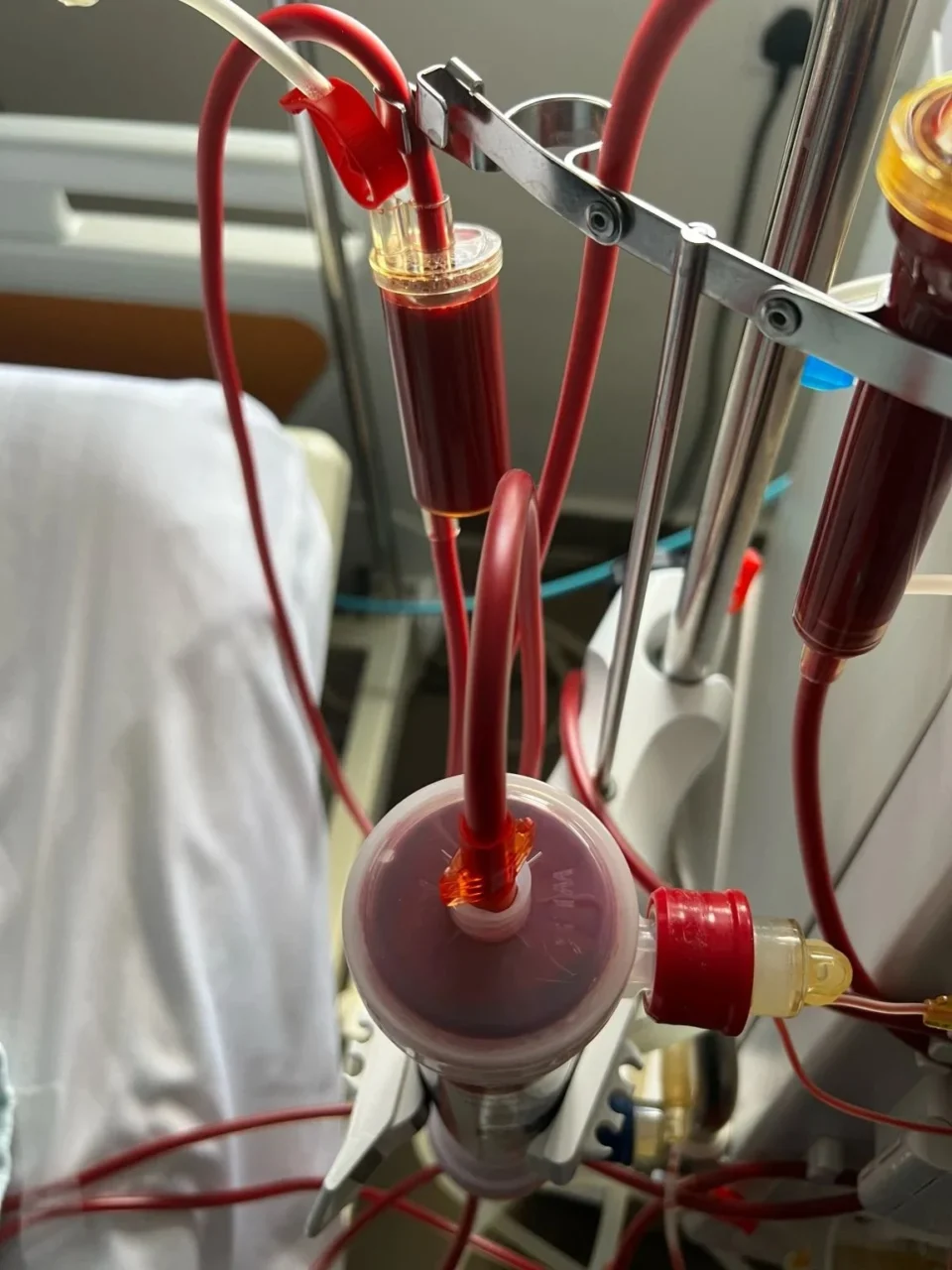
“Anaemia in Chronic Kidney Disease (CKD): More Than Just Low Haemoglobin.
Anaemia is one of the common complications of chronic kidney disease, significantly affecting patients energy levels, functional capacity and overall quality of life.
As kidney function declines, the kidneys produce less erythropoietin (EPO), the hormone responsible for stimulating red blood cell production in the bone marrow.
Other contributing factors include:
- Iron deficiency.
- Chronic inflammation.
- Reduced red blood cell lifespan.
- Blood loss, particularly in patients undergoing haemodialysis.
- Nutritional deficiencies.
What should healthcare professionals prioritise?
- Regular haemoglobin monitoring.
- Assessment of iron status (ferritin and transferrin saturation).
- Appropriate iron supplementation.
- Erythropoiesis-stimulating agents (ESAs) when indicated.
- Individualised patient-centred management.
As nephrology nurses, recognising and addressing anaemia early is essential in improving patient outcomes, reducing symptom burden and enhancing quality of life.
Healthy kidneys do more than filter blood; they also support healthy blood production.”
Giacomo Ramponi, Emergency Medicine Physician, Clinical Researcher and ResusBuddy Developer:
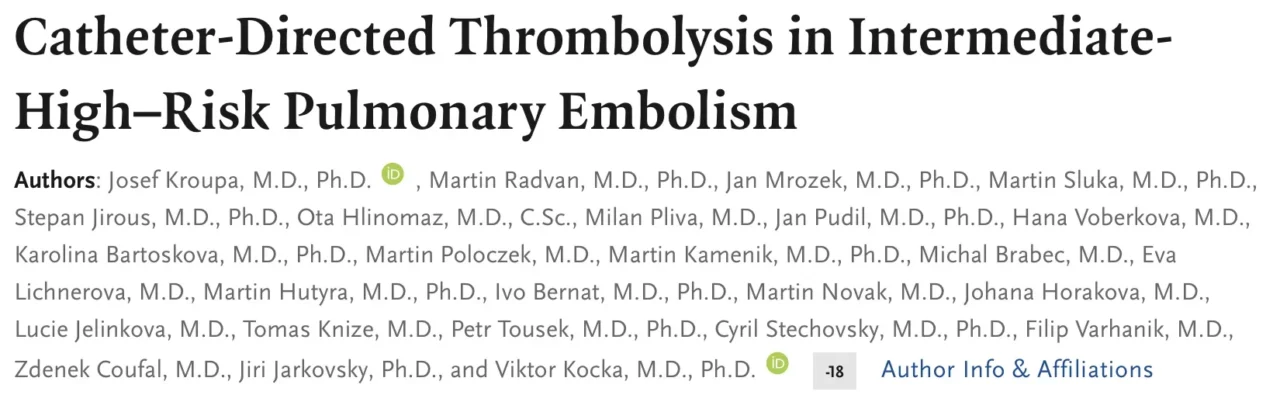
“Prague-26 (NEJM, 2026) is the second positive trial this year for catheter-directed thrombolysis in intermediate-high-risk pulmonary embolism, after HI-PEITHO.
558 normotensive patients with RV dysfunction and raised biomarkers were randomized to heparin alone or heparin plus 20 mg of alteplase infused through standard catheters, with no ultrasound. At 7 days, death, recurrent PE or decompensation occurred in 0.7% vs 6.8%.
Major bleeding was similar, but there were 2 intracranial haemorrhages in the catheter arm and none with heparin.
What I take from it:
- An RR of 0.10 is most certainly an overestimate. The trial was open label with unblinded adjudication, decompensation included soft criteria such as starting NIV, and there were only 21 events.
- No mortality benefit has been shown (the primary outcome is composite).
In the 2026 AHA/ACC categories these patients are mostly C3, where the guideline (written before both trials) calls the benefit of intervention uncertain.
In practice: full-dose systemic lysis for shock and cardiac arrest. Catheter-directed lysis for normotensive C3/D patients aged lower 80, with low bleeding risk and signs of distress. Mechanical thrombectomy when lysis is contraindicated or immediate debulking is needed?The 90-second summary is in the video.
Both the post and the video are (clearly?)
AI-generated.”
Proceed to the video attached to the post.
Ohad Houri, Research Fellow at BCNatal Fetal Medicine Research Center:
“Publication alert JACC: Advances
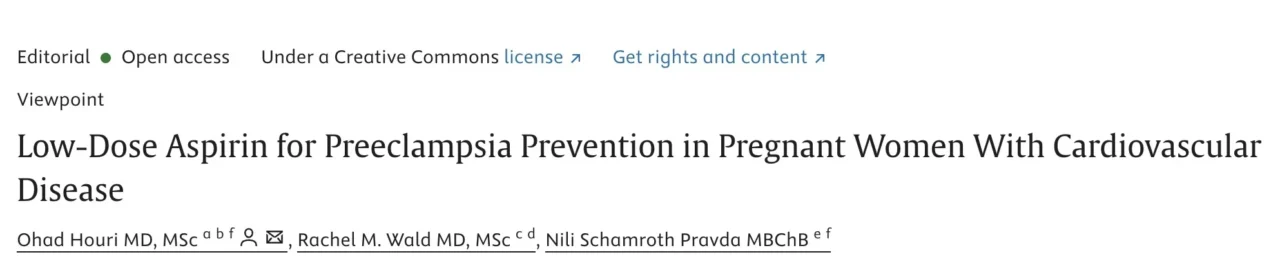
Low dose aspirin for preeclampsia prevention in women with heart disease.
Women with CVD may represent a high risk obstetric population in whom preeclampsia may carry disproportionate hemodynamic consequences, yet they are not included within current aspirin prevention frameworks.
In our opinion, pending prospective evidence, women with preeclampsia vulnerable CVD merit individualized consideration of low dose aspirin.
In the absence of published studies focused on preeclampsia risk in women with CVD, we present a hypothesis generating discussion for consideration, drawing on mechanistic reasoning and indirect evidence from the general obstetric population.
Working in a high volume delivery room and one of the world’s largest centers for women with heart disease, we face this question every day.
It’s a big honor to make our voice heard in JACC.
Thank you to my partners, Nili Schamroth and Rachel Wald , both leading congenital heart disease specialists and researchers.”
Seyed Mohammad Sadegh Pezeshki, PhD Candidate at IBTO at High Institute for Research and Education in Transfusion Medicine:
“It is my great pleasure and honor to present to you our latest original research, conducted by my professors and me.
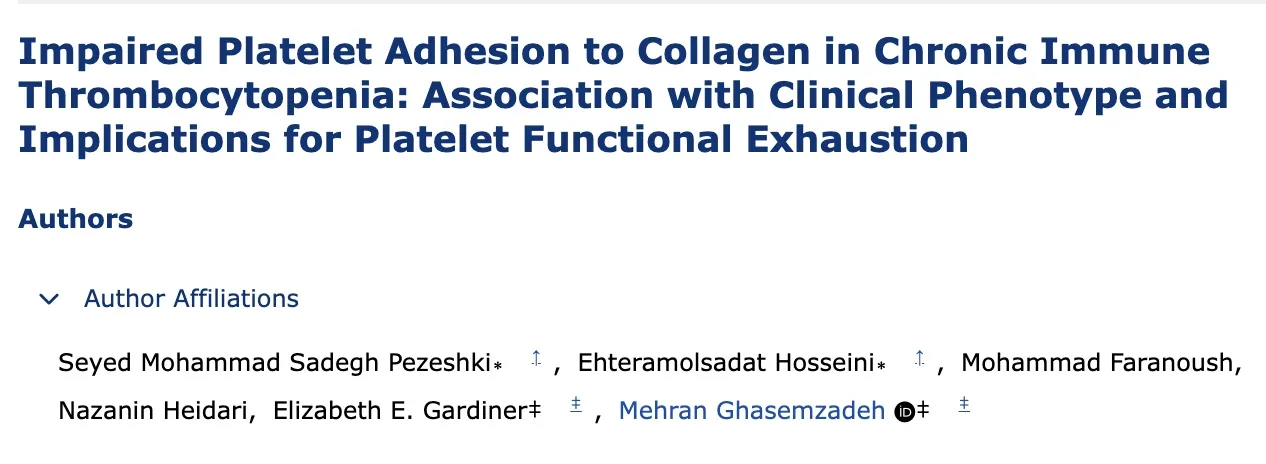
Building upon our team’s studies over the past four years, led by Professor Ghasemzadeh and Professor Hosseini, which have focused on qualitative platelet alterations in patients with chronic ITP, the present study aimed to characterize the platelet adhesive profile in these patients.
To this end, we first investigated the expression and shedding patterns of platelet adhesion receptors.
Subsequently, we evaluated platelet adhesive function based on the functional activity of these receptors.
In line with our previous studies, we also assessed platelet activation status, further confirming our earlier findings.
Finally, we explored the relationships between our findings regarding receptor expression and platelet adhesive function and the patients’ clinical characteristics.
The key findings of our study can be summarized as follows:
The present study demonstrated the presence of platelet adhesive dysfunction in patients with ITP and further established its association with the patients’ clinical status.
Furthermore, building upon our two previous studies, we emphasized the existence of a distinct platelet functional exhaustion phenotype in ITP, characterized by platelet pre activation and impaired responsiveness, and highlighted its potential role in the pathogenesis of the disease.
Taken together, these findings underscore the importance of qualitative platelet alterations in ITP.
They suggest that qualitative platelet assessment, alongside routine clinical evaluations and platelet count measurements, is essential for monitoring patients’ treatment responses.
Such an approach may, firstly, help resolve the discrepancy between persistent clinical bleeding and an improved platelet count and, secondly, provide physicians with a more comprehensive picture of the patients’ response to treatment.
Acknowledgments
At this point, I would like to express my sincere gratitude to my supervisor, Professor Hosseini, for her invaluable guidance, continuous support, and meticulous attention throughout this project.
I am also deeply grateful to my advisor, Professor Ghasemzadeh, for his outstanding ideas, novel perspectives, and invaluable teachings, which greatly contributed to the advancement of this project.
My sincere thanks also go to Professor Faranoush for introducing us to a well-characterized and relatively homogeneous patient cohort and for his valuable clinical guidance.
Finally, I would like to extend my heartfelt appreciation to Professor Elizabeth E. Gardiner for her collaboration to this project.”
Suvha Ghoshal, Strategic Project Manager at SMSRC:
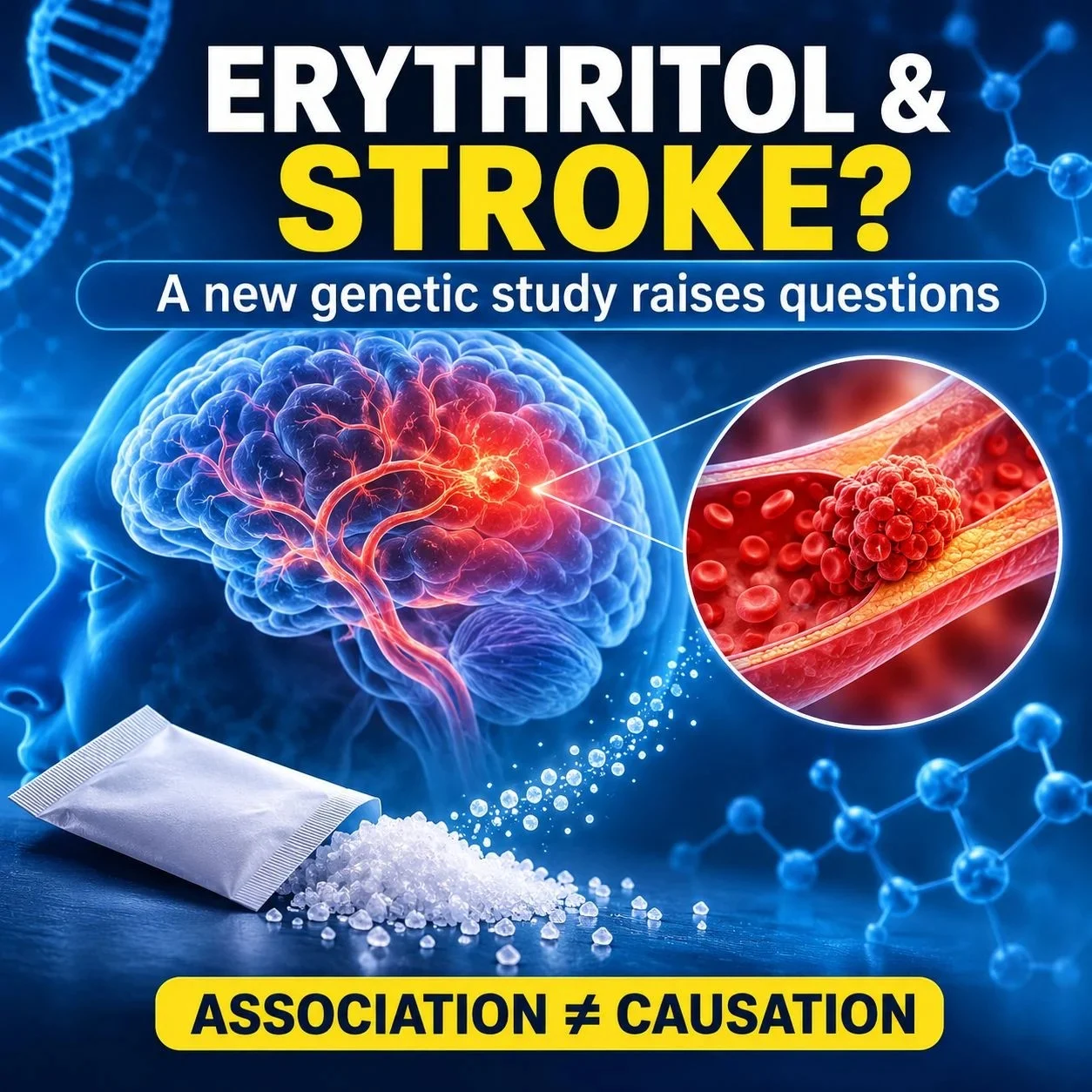
“Can a sugar substitute influence stroke risk? Emerging research on erythritol raises an important question.
Erythritol, a low-calorie sweetener commonly used in sugar-free, keto and low-carbohydrate products, is attracting renewed scientific attention.
A 2026 study published in the International Journal of Molecular Sciences investigated its potential association with ischemic stroke using genetic and multi-omics approaches.
What did researchers find?
Genetically predicted circulating erythritol levels were associated with approximately 24.6% higher odds of ischemic stroke (OR: 1.246; 95% CI: 1.101–1.410).
Three genes emerged as potential molecular signatures:
- MMP9: Associated with tissue and vascular remodelling.
- TLR4: Involved in inflammatory signalling.
- HIF1A: Involved in cellular responses to oxygen deprivation.
The findings highlighted pathways related to inflammation, oxidative stress, hypoxia and vascular injury.
Why does this matter?
Earlier human intervention research also reported increased platelet reactivity following erythritol consumption, suggesting a potential mechanism worth investigating.
However, an important distinction is necessary:
The 2026 study examined genetically predicted circulating erythritol levels, not actual dietary consumption. It does not establish that eating erythritol causes stroke or increases an individual’s absolute stroke risk by 25%.
The bigger takeaway:
As sugar substitutes become increasingly common in food products, understanding their long-term cardiometabolic effects remains an important research priority.
The question is no longer simply how to reduce sugar consumption, but also how to evaluate the alternatives we use.
Association is a signal for further research, not proof of causation.”
Nancy Shi, Overseas Sales Director at Blue Cross Bio-Medical(Beijing) Co.,Ltd:
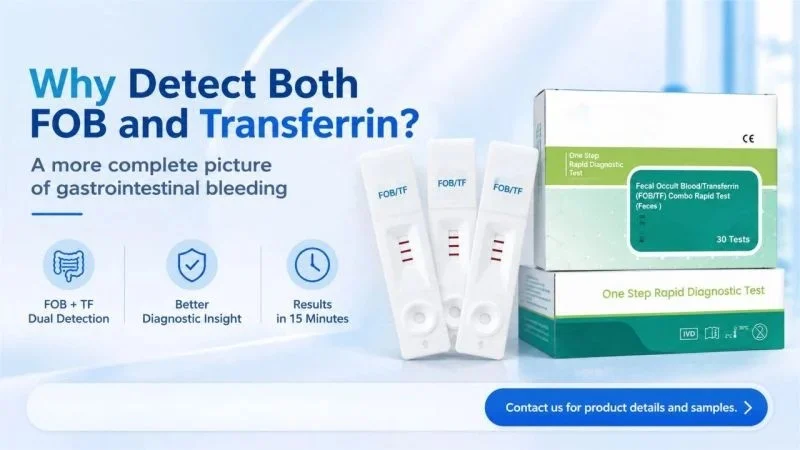
“Improve GI Bleeding Detection with Dual-Marker Screening
Early detection of gastrointestinal bleeding has a well-known challenge: hemoglobin (Hb) is easily degraded by digestive enzymes and gut bacteria, which can lead to false-negative results in immunoassays.
To address this, we offer the Fecal Occult Blood and Transferrin (FOB and TF) Combo Rapid Test – a dual-marker rapid test that qualitatively detects both hemoglobin and transferrin (Tf) in human fecal samples.
By detecting Hb and Tf simultaneously, it helps effectively improve the positive detection rate of gastrointestinal bleeding.
Key advantages:
- Double antibody sandwich method for qualitative detection of Hb and Tf
- Tf is not decomposed by digestive enzymes or bacteria, helping compensate for Hb false negatives
- Simple workflow: one collection tube, 3 drops of specimen, results in 15 minutes
- Colloidal gold immunochromatography—no instrument required, visual reading
- Intended for auxiliary diagnosis of gastrointestinal bleeding
Product specifications:
- Format: Cassette
- Specimen: Fecal Extract
Looking for a more reliable fecal occult blood screening solution?
Contact us to learn more or request product information.”
Stay updated with Hemostasis Today.
-
Nov 29, 2026, 11:57Mitchell Elkind: Uncovering Potential Benefits of Anticoagulation in Selected ESUS Patients
-
Nov 29, 2026, 10:23Simona Sacco: Finding the Right Time to Restart Anticoagulation After Hemorrhagic Transformation
-
Nov 29, 2026, 10:02Felice Gragnano: The Evolving Evidence for Antithrombotic Therapy After CABG
-
Nov 29, 2026, 09:39Tamer Elalfy: Safe Anticoagulant Interruption and Resumption in Surgical Patients
-
Nov 29, 2026, 09:15Anna Oleksiak: The Delicate Balance of Triple Antithrombotic Therapy After PCI
-
Nov 29, 2026, 06:30Ghufran Ahmad: When Drug Effects Outlast Their Half-Life
-
Nov 29, 2026, 05:54Ceri Rose: Building a Stronger Blood Donor Community
-
Nov 29, 2026, 05:34Seema Dawood: Duffy-Null Status and New Neutrophil Reference Ranges
-
Nov 29, 2026, 05:26Kathaleen Schnur: Empowering Women Through Advocacy in Bleeding Disorders