


Sarah-Taïssir Bencharif: How Can Over 270 Medicines Fit Into The One Critical Medicines Act?
Sarah-Taïssir Bencharif, Physician at Department of Emergency Medicine at Clinics of Europe, shared on LinkedIn:
”As critical as they are different: How can over 270 medicines fit into the one Critical Medicines Act?
It’s been a whirlwind rentrée here in Brussels, and I wouldn’t have it any other way.
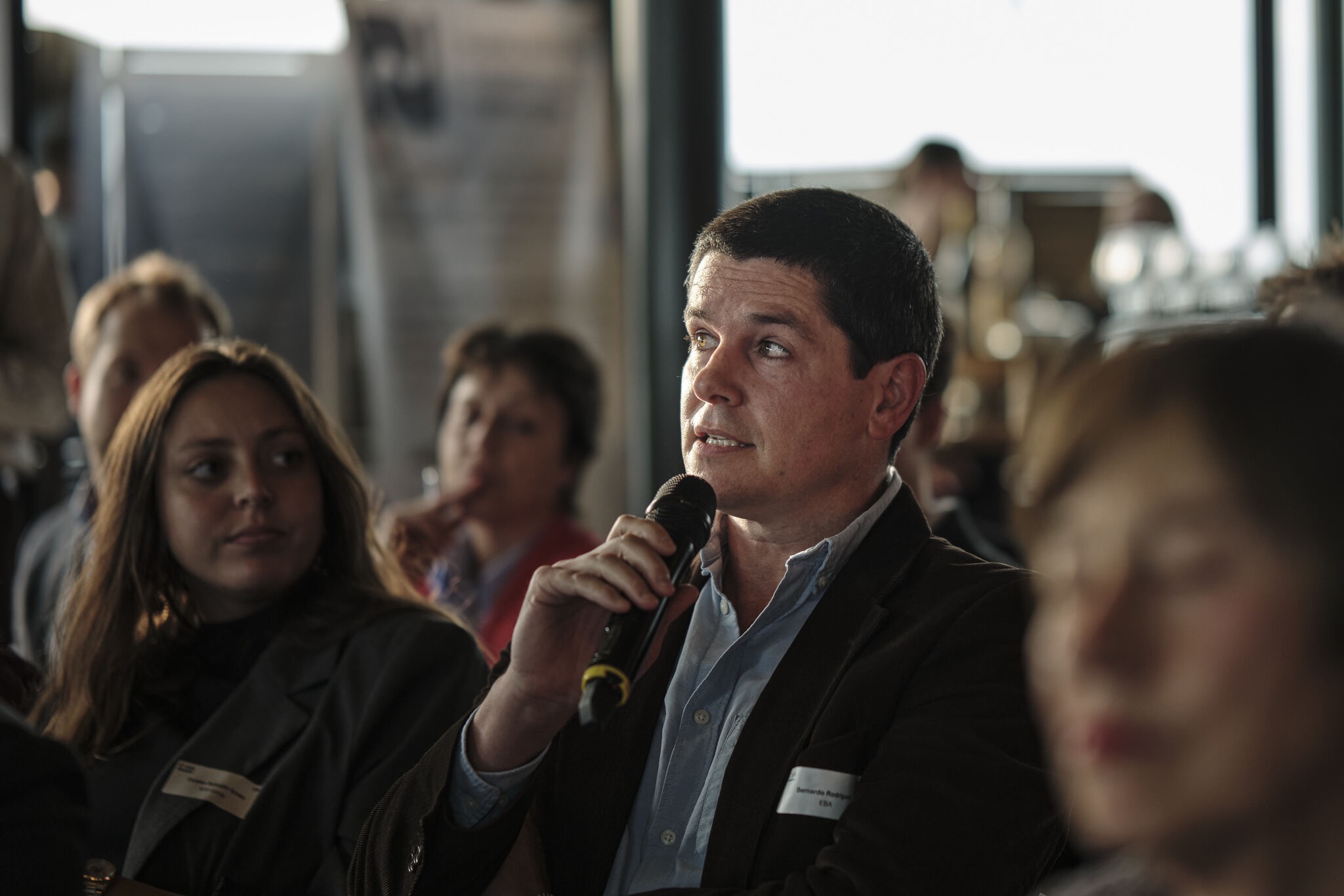
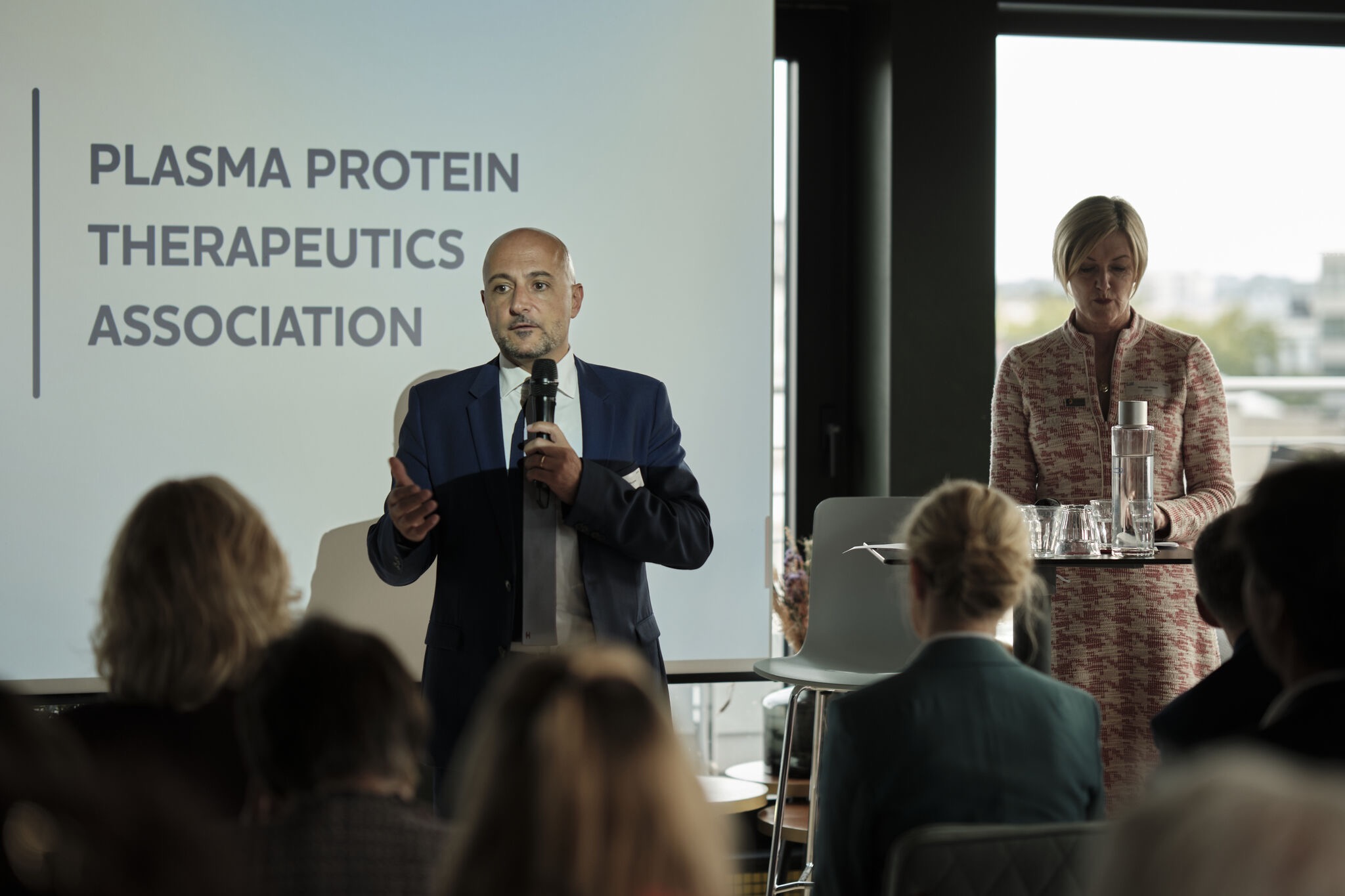
I kicked off this month by moderating a fantastic panel session about the proposed Critical Medicines Act and how it could ensure access to such a diversity of therapies, particularly when it comes to medicines derived from substances of human origin, like plasma.
The event, hosted by the Plasma Protein Therapeutics Association (PPTA), brought together policymakers, patients, clinicians, and members of the industry to examine this question.
To start, panelist Marilena Vrana highlighted that plasma-derived medicines, unlike synthetic medicines made in a factory, depend on human donors.
This means that production can’t be ramped up at will, for example.
She emphasized that the legislation should be flexible enough to handle the particularities of such medicines.
On the question of stockpiling of critical medicines, panelist MEP Tomislav Sokol, who is the rapporteur for the file in the European Parliament, emphasized that stockpiling in one country shouldn’t lead to shortages in another, adding that there should be greater coordination between EU countries so patients across the bloc have reliable access.
The audience also heard from panelist Jean-Philippe Plançon, a patient who needs medicines derived from plasma, to better understand just how essential these medicines are.
It’s something panelist Prof. Dr. Isabelle Meyts, who is a pediatric hematologist-oncologist, also sees daily, as she treats children who depend on these medicines.
Both she and Jean-Philippe stressed the need to raise awareness about plasma donation.
It was a fantastic conversation — a warm thank you to each of our panelists and to our audience members for their insights and engagement!
Photo credits: The great Romain Triollet”

Stay updated with Hemostasis Today.





-
Sep 10, 2026, 10:03Investing in Youth, Transforming Hemophilia Care – WFH
-
Sep 10, 2026, 09:51Ronke Oke BEM: 20 Years of Newborn Sickle Cell Screening in England
-
Sep 10, 2026, 09:41Seunghwan Song: Hemlibra and the Science That Changed Hemophilia A Care
-
Sep 10, 2026, 09:20Mark Dawson: A Radical Rethink of Hemophilia Treatment
-
Sep 10, 2026, 07:26Carly Newton: Every Donation Helps Save Lives
-
Sep 10, 2026, 07:152023 ACR/EULAR APS Classification Criteria – APS Foundation of America
-
Sep 10, 2026, 07:03When Platelet Function Matters More Than Platelet Count – Glanzmann’s Research Foundation
-
Sep 10, 2026, 06:54Diego López Santos: Young Blood Donors Unite at the 23rd International Youth Forum in Tirana
-
Sep 10, 2026, 05:12Douglas S. Campbell: Great to See a Strong Japanese Presence in 2026 Lasker Awards