


Dr. Hassan Alnoor — Stroke Rehabilitation and Prevention: Life After Stroke
Dr. Hassan Alnoor, Medical officer at Singa Teaching Hospital, shared a post on LinkedIn:
“Stroke Awareness Series (Post 6/6): Rehabilitation & Long-Term Prevention — Life After Stroke
Surviving a stroke is only the first step. Recovery and preventing recurrence are equally critical.
- Rehabilitation — Rebuilding Function
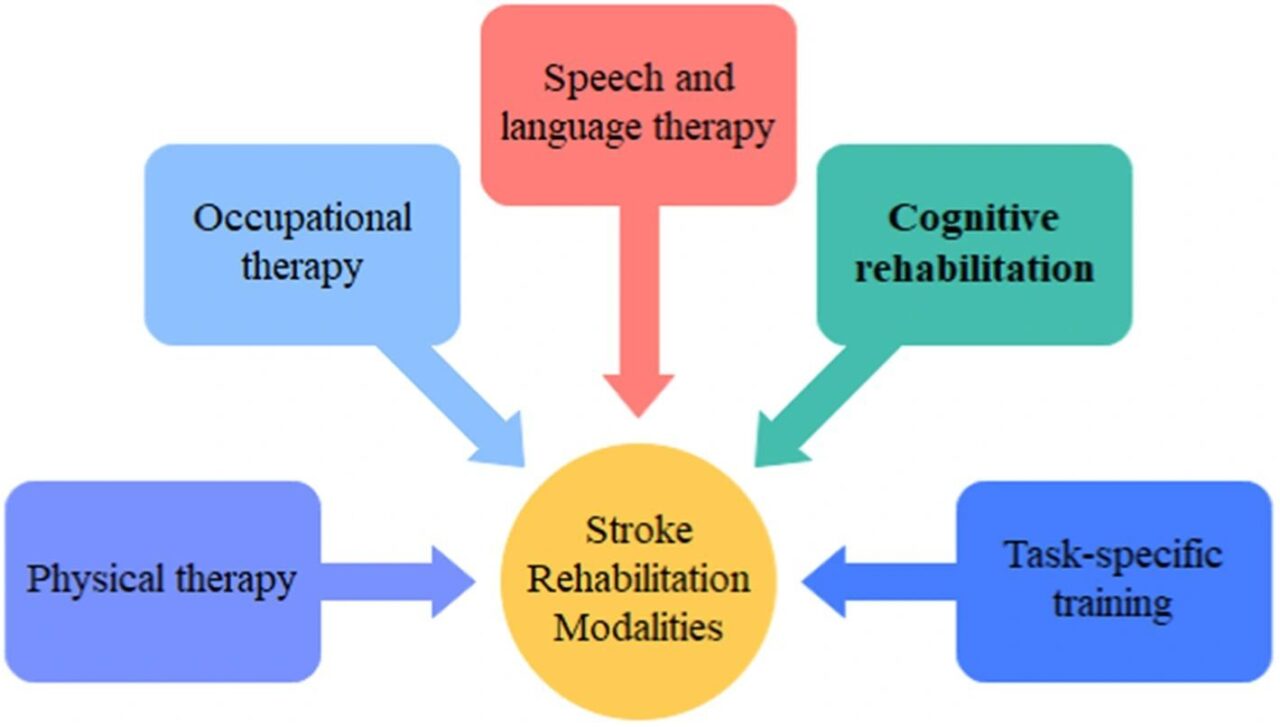
Early and structured rehabilitation improves independence, mobility, and quality of life:
Physical therapy: regains strength, balance, coordination, gait training.
Occupational therapy: helps with daily activities (dressing, eating, hygiene).
Speech & language therapy: for aphasia, dysarthria, and swallowing difficulties.
Cognitive rehabilitation: attention, memory, executive function exercises.
Psychological support: depression and anxiety are common — counseling or therapy may be needed.
Early mobilization and multidisciplinary rehab teams improve outcomes dramatically.
2. Secondary Prevention — Reduce the Risk of Another Stroke
Strategy Details
Blood pressure control Target <130/80 mmHg; use ACEi, ARB, CCB, or thiazide as appropriate
Antiplatelets / Anticoagulants Aspirin, clopidogrel, or anticoagulation if cardioembolic source (AFib)
Cholesterol management High-intensity statins (or PCSK9 inhibitors if high risk)
Diabetes control HbA1c <7% to reduce vascular complications
Lifestyle modification Healthy diet (Mediterranean), exercise, weight control, quit smoking
Carotid / cardiac monitoring Consider carotid endarterectomy or stenting in significant stenosis
Regular follow-up Neurology, primary care, and rehab teams for risk factor management
3. Key Patient & Family Tips
Know the warning signs: FAST.
Maintain medication adherence — missing doses = higher recurrence risk.
Encourage daily physical activity within safety limits.
Join support groups — social support improves recovery and adherence.
Summary
Stroke recovery is a journey: acute care saves life, rehab restores function, and secondary prevention keeps the brain safe for years to come.
With early recognition, structured rehab, and smart prevention, stroke survivors can lead full, productive lives.”
Stay updated with Hemostasis Today.
-
Oct 13, 2026, 01:44Debadrita Ray: Evaluating vWF and VITRO Score for Detecting CSPH in cACLD Patients
-
Oct 13, 2026, 01:34Nagesh Ramesh: Donating Blood for International Plasma Awareness Week
-
Oct 12, 2026, 21:51Sam Botchey: Orthobiologics Are Advancing but the Evidence Must Keep Pace
-
Oct 12, 2026, 21:50Serum Vitamin D, Platelet Function, and Bleeding in Primary ITP – Platelets Journal
-
Oct 12, 2026, 21:30Nika Samadzadeh Tabrizi: Looking Forward to the PACeS Trial on Anticoagulation for POAF
-
Oct 12, 2026, 21:28Michael Megaly: Does Coronary Ectasia Affect Outcomes in Acute Coronary Syndromes?
-
Oct 12, 2026, 21:25Vitor Borin P. de Souza: Think Twice Before Anticoagulating an Isolated Subsegmental PE
-
Oct 12, 2026, 20:43Jazlyn A Selvasingh: Excited to Share Our Research at AAO-HNSF 2026 in Los Angeles
-
Oct 12, 2026, 20:31Natalia Kovtun: Higher Ferritin Cutoffs Now Define Iron Deficiency