


RPTH Journal/LinkedIn
Nov 11, 2025, 01:50
New Algorithm Enhances Detection of Acquired Hemophilia A and Other aPTT Disorders
Hassan Raza, Consultant Hematologist and Transfusion Medicine in Lahore, posted on LinkedIn:
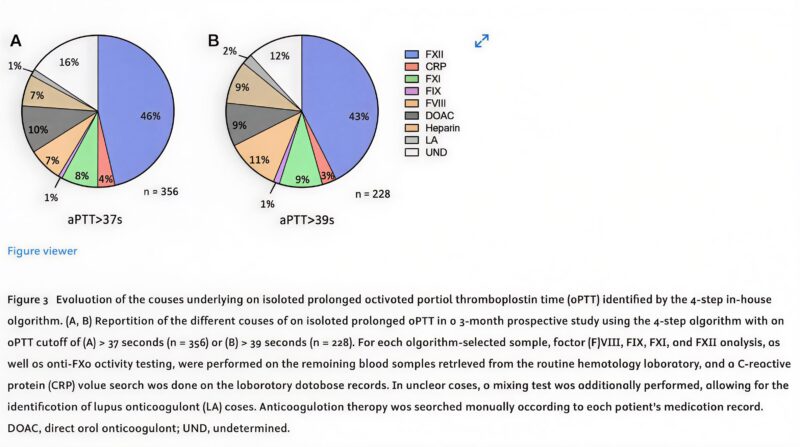
”Algorithm-based effective recognition of acquired hemophilia A and other causes of isolated prolonged activated partial thromboplastin time within large blood sample series.”
Read the full article here.
Title: Algorithm-based effective recognition of acquired hemophilia A and other causes of isolated prolonged activated partial thromboplastin time within large blood sample series
Authors: Paul Turincev, Francisco Gomez, Christine Coutaz, Stéphane Quarroz, Lorenzo Alberio, Nathalie Rufer
Stay updated with Hemostasis Today.
Activated Partial Thromboplastin Time
aPTT
bleeding disorders
Christine Coutaz
Francisco Gomez
Hassan Raza
Health
Hematology
Hemophilia A
Hemostasis
Hemostasis Today
International Society on Thrombosis and Haemostasis
ISTH
Lorenzo Alberio
Medicine
Nathalie Rufer
Paul Turincev
Prolonged aPTT
Rare Bleeding Disorders
rpth
RPTH Journal
Stéphane Quarroz
thrombosis
Von Willebrand Disease
VWD
-
Sep 30, 2026, 01:52Javed Anees: DADA2 – When a Young Stroke Is More Than a Stroke
-
Sep 30, 2026, 01:51How a Venous Thrombus Becomes Revascularized – ISTH
-
Sep 29, 2026, 22:45Victor Agunyego: Paracetamol – The Most Common Drug We Underestimate
-
Sep 29, 2026, 22:42Nova Sinclair: Advancing the Future of Hematology – Meet Our 2027 Organizing Committee
-
Sep 29, 2026, 22:41Lorenz Räber: Intracoronary Imaging in PCI – Why, When, How, and Which Modality?
-
Sep 29, 2026, 22:31Selma Turkovic: Pleased to Deliver the Opening Presentation at Kingston Hospital
-
Sep 29, 2026, 22:31Miguel Teran: Ultrasound and Simulation in Arterial Blood Sampling
-
Sep 29, 2026, 22:28Mohammad Refaei: Navigating Your Career in Hematology From Training to Practice
-
Sep 29, 2026, 22:27Matteo Foschi: 10 Clinical Pearls for Antithrombotic Therapy in Secondary Stroke Prevention