


Matias Arrupe: The Value of Lipoprotein(a) in Reclassifying Cardiovascular Risk
Matias Arrupe, Cardiologist at CardioInnova Medical Research, shared on LinkedIn:
”Reclassifying Cardiovascular Risk with a Simple Test: The Value of Lipoprotein(a)
New insights from a pilot study in Spain highlight how Lipoprotein(a) (Lp(a)) can uncover hidden cardiovascular risk even in patients classified as low or moderate risk.
Study Overview:
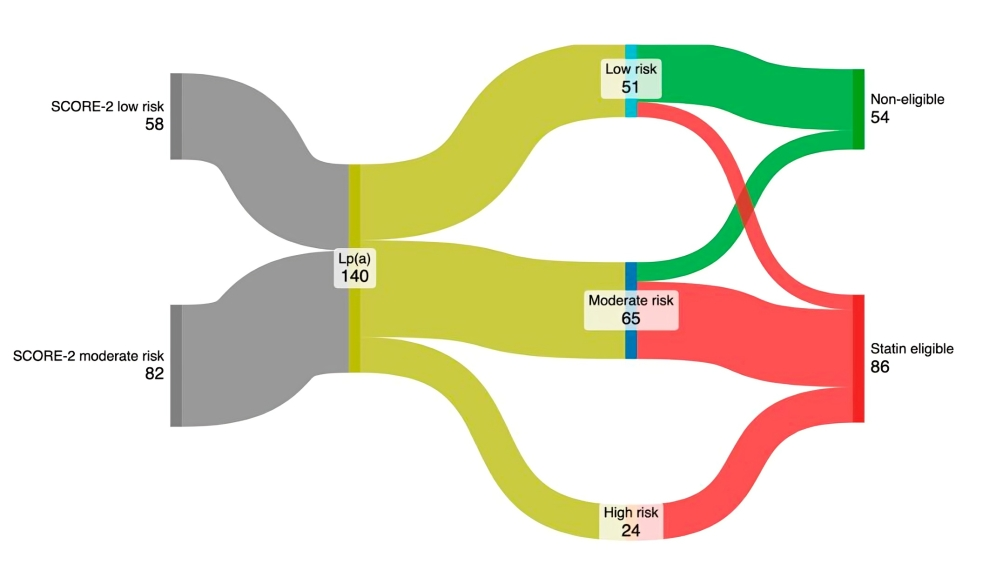
Participants: 140 adults (62.9% women, average age 54.3)
Initial Classification: Low (41.4%) or Moderate (58.6%) cardiovascular risk (SCORE2)
Intervention: Lp(a) measurement
Outcome: Reclassification based on Lp(a) >50 mg/dL
Key Findings:
- 22.1% had Lp(a) >50 mg/dL
- 22.6% of low-risk individuals were reclassified to moderate risk
- 77.4% of moderate-risk individuals were reclassified to high risk
- 61.4% of the cohort became eligible for statin therapy
Why Lp(a) Matters:
- Lp(a) levels are genetically determined in over 80% of individuals.
- One single measurement is sufficient to assess lifetime cardiovascular risk.
- Elevated levels are not affected by age or lifestyle.
- Lp(a) >180 mg/dL may confer a risk similar to familial hypercholesterolemia.
Clinical Implications:
- Most individuals with elevated Lp(a) would otherwise remain undiagnosed.
- Measuring Lp(a) could shift therapeutic decisions significantly.
- Potential for family screening due to hereditary nature.
Challenges and Future Steps:
- Lp(a) is rarely measured despite guidelines recommending at least one lifetime assessment.
- No targeted therapies to lower Lp(a) below 50 mg/dL, but PCSK9 inhibitors show promise.
- This pilot study may lead to routine inclusion of Lp(a) in cardiovascular screening protocols.
This research reinforces the necessity of moving toward personalized risk assessment in cardiovascular care.”
Title: Reclassification of Low or Intermediate Cardiovascular Risk by Determining Lipoprotein(a) Levels
Authors: Alberto Cordero, José Ma Salinas, María Amparo Quintanilla, José Ma López-Ayala, Álvaro Blasco, Emilio Flores
Read the full article here.
Stay informed with Hemostasis Today.
-
Sep 14, 2026, 23:49Heghine Khachatryan: New evidance – Antiphospholipid Antibodies and Ischemic Stroke
-
Sep 14, 2026, 23:42Eman M. Elsabbagh: Successful HCT Does Not End at Engraftment
-
Sep 14, 2026, 23:31Antonis Kattamis: Proud to Be Part of this Endeavour and Senior Author of the Pivotal Trial
-
Sep 14, 2026, 23:23Farjah Algahtani: Stroke Incidence and Risk Factors in Saudi Patients with Sickle Cell Disease
-
Sep 14, 2026, 20:53YoonHwa An: Rusfertide in Polycythemia Vera – From Clinical Benefit to Strategic Value
-
Sep 14, 2026, 20:52Andres Alberto Mercado Pompa: External Validation of Prognostic Risk Scores in Cerebral Venous Thrombosis
-
Sep 14, 2026, 20:50Balaji Kirushnan: Advancing Regional Citrate Anticoagulation in CRRT – From Experience to Implementation
-
Sep 14, 2026, 20:48Valerie Dehondt: Nutritional Anemia Is Associated With Increased Risk of Severe COPD Exacerbations
-
Sep 14, 2026, 20:46Nupur Choudhury: Exploring AI-Based Detection of Anemia Using Eye and Fingernail Images