

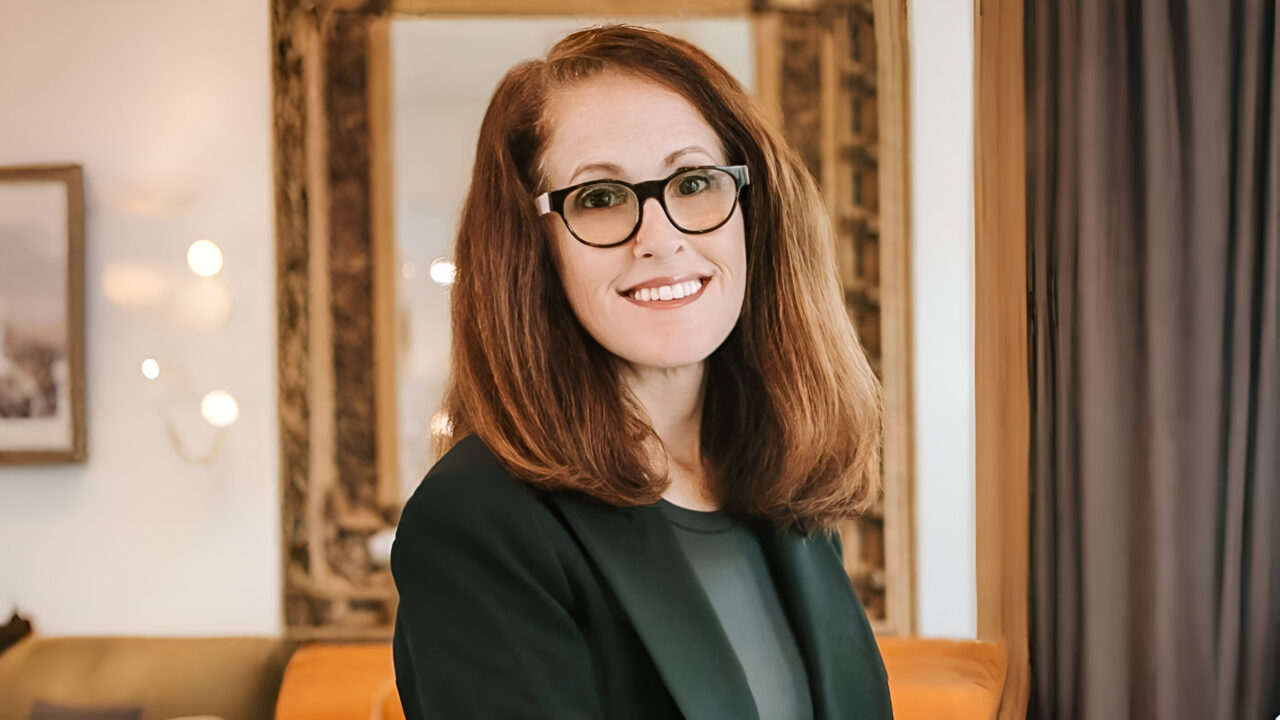
Melissa Leichter: My Team Used AI to Pinpoint Likely Undiagnosed Patients with Glanzmann’s Thrombasthenia
Melissa Leichter, Rare Disease Executive at Novo Nordisk, shared on LinkedIn:
”I’ve had a number of conversations recently with commercial colleagues about AI, and we’re all struck by how dramatically it can change patient outcomes.
For people living with an undiagnosed disease, getting clarity on their condition can stretch on for years.
Their life quickly becomes a marathon of misdiagnoses, trying to find the right specialists, waiting for openings on those doctors’ schedules, insurance delays, and other hurdles to clear.
AI, with its ability to parse vast amounts of data and surface patterns that otherwise would remain hidden, can significantly shorten that painful journey.
I’ve seen this in action in a rare disease context.
My team used AI to pinpoint likely undiagnosed patients with Glanzmann’s Thrombasthenia, an ultra-rare platelet disorder, by analyzing a blend of diagnostic codes, medication usage, and procedure records.
We were able to illuminate complex data that could trigger an earlier intervention.
We need to do more to unleash AI as a tool in patient diagnosis, and the biggest obstacle to that is data fragmentation.
Health record systems rarely talk to each other, even within a single institution, resulting in disconnected pockets of patient information.
Moving forward, it’s essential that we invest in data connectivity and unified patient journeys.
Only then can machine learning help us shrink the timeline between debilitating symptoms and life-changing diagnoses at scale — and improve the lives of countless patients.”
Read the full article here.
Article: How Sanford Health Embeds AI into Its EHR to Catch Disease Earlier and Personalize Care
Authors: Katie Adams
Stay updated with Hemostasis Today.
-
Nov 15, 2026, 15:36Giovanni Merlino: Targeting LDL-C to Prevent Recurrent Stroke
-
Nov 15, 2026, 15:33Riitta Lassila: From Helsinki to ISTH 2027 Advancing Thrombosis Research
-
Nov 15, 2026, 15:30Andreas Calatzis: Can Protein C and Plasma Overcome Fibrinolysis Resistance in Sepsis?
-
Nov 15, 2026, 15:25Hussnain Javaid: Thalassaemia 2026 New Therapies Transforming UK Practice
-
Nov 15, 2026, 15:03Francesco Antonio Veneziano: Rethinking Coronary Artery Disease Through Precision Cardiology
-
Nov 15, 2026, 14:37Denise Rezende: 100 Years of von Willebrand Disease and Advances in Diagnosis
-
Nov 15, 2026, 14:22Ahmed Alotaibi: Does Donor Sex Influence Platelet Storage Quality
-
Nov 15, 2026, 14:09Stephen Alerhand: Acute Pulmonary Embolism vs Chronic Pulmonary Hypertension
-
Nov 15, 2026, 10:32Ibrahim Gwarzo: Identifying Care Gaps and Emergency Pain Delays in Sickle Cell Disease at APHA 2026