


Dr. S.0 MIKAYE/LinkedIn
Dec 10, 2025, 14:08
Samwel Mikaye: Overview of Deep Vein Thrombosis (DVT) and Cellulitis
Samwel Mikaye, CEO of SaMik Medical Center, posted on LinkedIn:
“Overview of Deep Vein Thrombosis (DVT) and Cellulitis
1. Deep Vein Thrombosis (DVT)
Definition
- Formation of a blood clot in a deep vein, usually in the lower extremities (calf, thigh).
Risk Factors (Virchow’s Triad)
- Venous stasis: Immobility, long flights, hospitalization
- Endothelial injury: Trauma, surgery, central lines
- Hypercoagulable state: Pregnancy/postpartum, cancer, inherited thrombophilia, oral contraceptives
Clinical Features
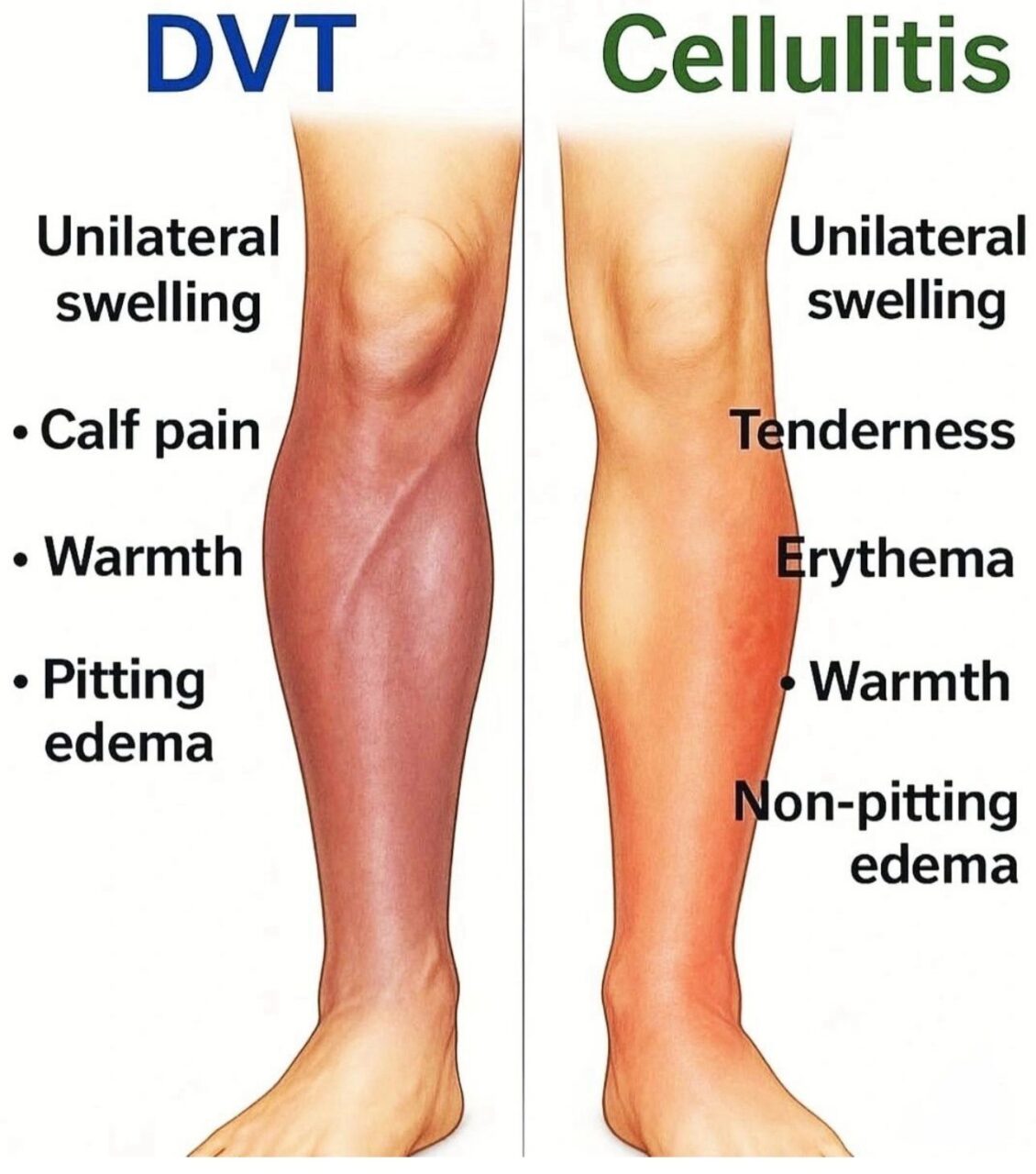
- Unilateral leg swelling (most common)
- Pain or tenderness, often calf pain
- Warmth and erythema over affected area
- Positive Homan’s sign (pain on dorsiflexion) – not reliable
Diagnosis
- D-dimer: Useful to rule out in low-risk patients
- Compression ultrasonography: Gold standard
- Venography: Rarely used, invasive
Management
- Anticoagulation (first-line):
• LMWH (enoxaparin) or fondaparinux initially
• Transition to warfarin (target INR 2–3) or DOACs (rivaroxaban, apixaban) - Supportive care:
• Leg elevation
• Compression stockings - Severe cases / complications:
• Thrombolysis for massive DVT
• IVC filter if anticoagulation contraindicated
2. Cellulitis
Definition
- Acute, spreading infection of the dermis and subcutaneous tissue, usually caused by Streptococcus pyogenes or Staphylococcus aureus.
Risk Factors
- Skin breaks: cuts, ulcers, insect bites
- Chronic edema, venous insufficiency, lymphedema
- Immunocompromised states: diabetes, HIV, chemotherapy
Clinical Features
- Red, warm, swollen, tender area
- Often unilateral, poorly demarcated
- May have fever, malaise, lymphangitis
- Rarely: bullae, necrosis (if severe or necrotizing infection)
Diagnosis
- Clinical diagnosis (no routine imaging required)
- Blood cultures if severe or systemic infection
- Consider ultrasound to rule out abscess
Management
- Antibiotics (empirical, based on severity):
• Mild: Oral cephalexin or dicloxacillin
• Severe: IV cefazolin, oxacillin, or vancomycin (if MRSA suspected) - Supportive care:
• Elevate affected limb
• Analgesia - Monitor for complications:
• Abscess formation → incision and drainage
• Necrotizing infection → surgical emergency”
Get the latest with Hemostasis Today.
-
Sep 25, 2026, 10:49Shefina S: From Presenting to Hosting at TRANSCON 2026
-
Sep 25, 2026, 10:37Michelle Leona Cecil: Hemophilia Advocacy and the Power of Community
-
Sep 25, 2026, 10:13Michael Baria: Platelet Concentration and PRP Outcomes in Partial Rotator Cuff Tears
-
Sep 25, 2026, 09:49Haley Coleman: Volunteering to Support Hemophilia Awareness
-
Sep 25, 2026, 08:55Hitarth Mehta: BHMS Students Gain Practical Exposure to Haemophilia Diagnosis
-
Sep 25, 2026, 07:25Varun Capoor: How Therapeutic Apheresis and Transfusion Medicine Can Complement Clinical Management in SCD
-
Sep 25, 2026, 07:14Manshi Kesharwani: SAK-GQDs Modulate Thrombus Burden and Endothelial Function in Deep Vein Thrombosis
-
Sep 25, 2026, 06:20Farjah Hassan Algahtani: How Can We Better Identify Patients at Risk of Blood Clots after Metabolic and Bariatric Surgery?
-
Sep 25, 2026, 05:59Carla Lewis: Kids Conquering Sickle Disease Joins Nemours Children’s Hospital for 2nd Annual Awareness Event