

Biofilms, NETosis, and Microclots: Jim Hoffman Reflects on New Scientific Advances
Jim Hoffman, Former Technical Advisor at Cygnus Technologies, LLC, posted on LinkedIn:
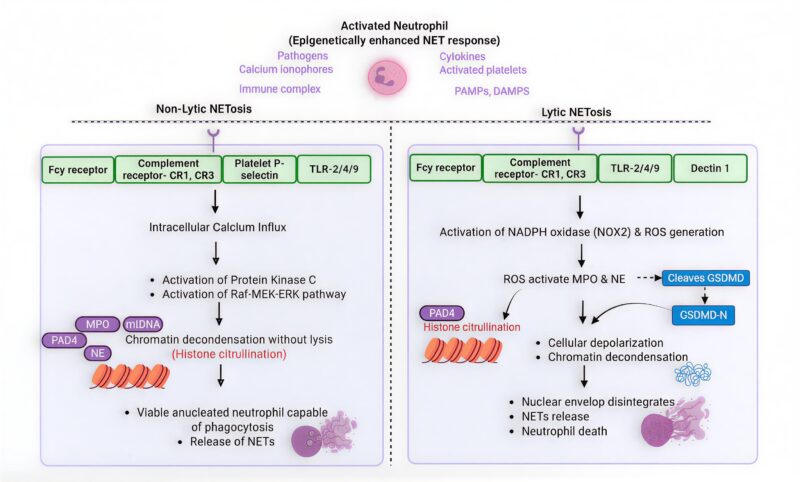
” ‘Two key processes sustaining chronic infections are biofilm formation and NETosis. While NETs can immobilize and kill (planktonic) microbes, the extracellular DNA and associated proteins often contribute to biofilm stability, immune evasion, (antibiotic resistance), and chronic infection persistence. This review explores the bidirectional interactions between NETosis and biofilm formation, with a focus on their synergistic roles in the pathogenesis of chronic infections such as cystic fibrosis lung disease, diabetic foot ulcers, periodontitis, and implant-associated infections. Emerging therapeutic strategies aimed at disrupting this pathogenic interplay, including DNase-based treatments, PAD4 inhibitors, and combination therapies, are critically evaluated. By illuminating the pathogenic synergy between NETs and biofilms, this review underscores the need for integrated immunomodulatory and anti-biofilm interventions to effectively manage chronic infectious diseases and improve patient outcomes.’ (Tyagi et al 2025)
What is the potential relationship of biofilms to amyloid-like fibrinolytic-resistant microclots, recently reported on by Pretorius and Thierry et al 2025?
More importantly, can helping sick patients remove persistently elevated circulating NETs from their blood supply minimize immunothrombotic vasculitis injury and unwanted intravascular ischemic thrombi formation, which are characteristic of progressive severe life-threatening disseminated intravascular coagulation (Toh et al), regardless of the NETosis-triggering event, be it infectious or non-infectious in origin? Also, will removing chronically elevated NETs from the blood enhance the innate immune system’s ability to phagocytically target, clear, and digest NETotic biofilms from the tissues, and avert the potentially catastrophic consequences of septic shock and intravascular thrombi formation?
In addition, primary tumor cells and CTCs, like pathogens, have been observed to be similarly protected by extracellular NETosis-generated scaffolds, facilitating tumorigenesis, cancer-associated thrombosis, metastasis, and NETs are credited with greater resistance to existing anti-tumor therapies.”
Read more here.
Title: The Relationship Between NETosis and Biofilm Formation in Chronic Infections
Authors: Wafa Aziz, Hina Sultana, Vinay Kumar, Anuradha Tyagi
Stay updated with Hemostasis Today.
-
Sep 30, 2026, 15:58Bernhard Merget: New Frontiers in Thrombosis and Stroke Research
-
Sep 30, 2026, 15:39Ifeanyichukwu Ifechidere: The Molecular Orchestra of Primary Hemostasis
-
Sep 30, 2026, 15:28Reassessing the Benefit–Risk Balance of Extended Anticoagulation in Cancer Patients – ESC Working Group on Cardiovascular Pharmacotherapy
-
Sep 30, 2026, 15:07Chiranjeev Sharma: Targeting Factor XIa with the Synthetic Inhibitor SB-01
-
Sep 30, 2026, 14:41Bruna Gigante: Balancing Thrombosis and Bleeding in Cardiovascular Care
-
Sep 30, 2026, 14:13Ashok Choudhury: Portal Vein Thrombosis and Outcomes in Cirrhosis
-
Sep 30, 2026, 13:57Leslye Conde Bazán: When Conventional Imaging Is Not Enough – The Role of IVUS
-
Sep 30, 2026, 13:41Huda Salah Eldin: The Challenge of Balancing Antithrombotic Therapy After PCI
-
Sep 30, 2026, 13:29Abdus Salam: What Can CT Venography Reveal About the Veins?