

Jim Hoffman: Uncontrolled Neutrophil Activation and NET Release in the Vasculature
Jim Hoffman, Former Technical Advisor at Cygnus Technologies, LLC, posted on LinkedIn:
” ‘We observe extensive spontaneous neutrophil extracellular trap (NET) formation in MIS-C, and we identify neutrophil activation and degranulation signatures. Mechanistically, we determine that SARS-CoV-2 immune complexes are sufficient to trigger NETosis. Our findings suggest that hyperinflammatory presentation during MIS-C could be mechanistically linked to persistent SARS-CoV-2 antigenemia, driven by uncontrolled neutrophil activation and NET release in the vasculature.’ Yonker et al 2022 Neutrophil profiles of pediatric COVID-19 and multisystem inflammatory syndrome in children
Here is a extracorporeal removal therapy developed by https://santersus.com. This therapy is designed to specifically remove and treat the immunothrombotic complications resulting from LC and many other disease triggers worsened by having too many hyperactivated neutrophils/NETs circulating in the blood. Read more here.
Directly targeting the removal of NETs from plasma is proving powerful for the treatment of severe drug-refractory SLE. What about other hyperactivated NETotic-driven diseases like LC PASC/MIS-C or A that display chronic low to intermediate grade NETosis dysregulation?
Your findings of hyperactivated NETosis induction and poor NET clearance are not unique. For more research, visit here.”
Quoting PolyBio Research Foundation’s post:
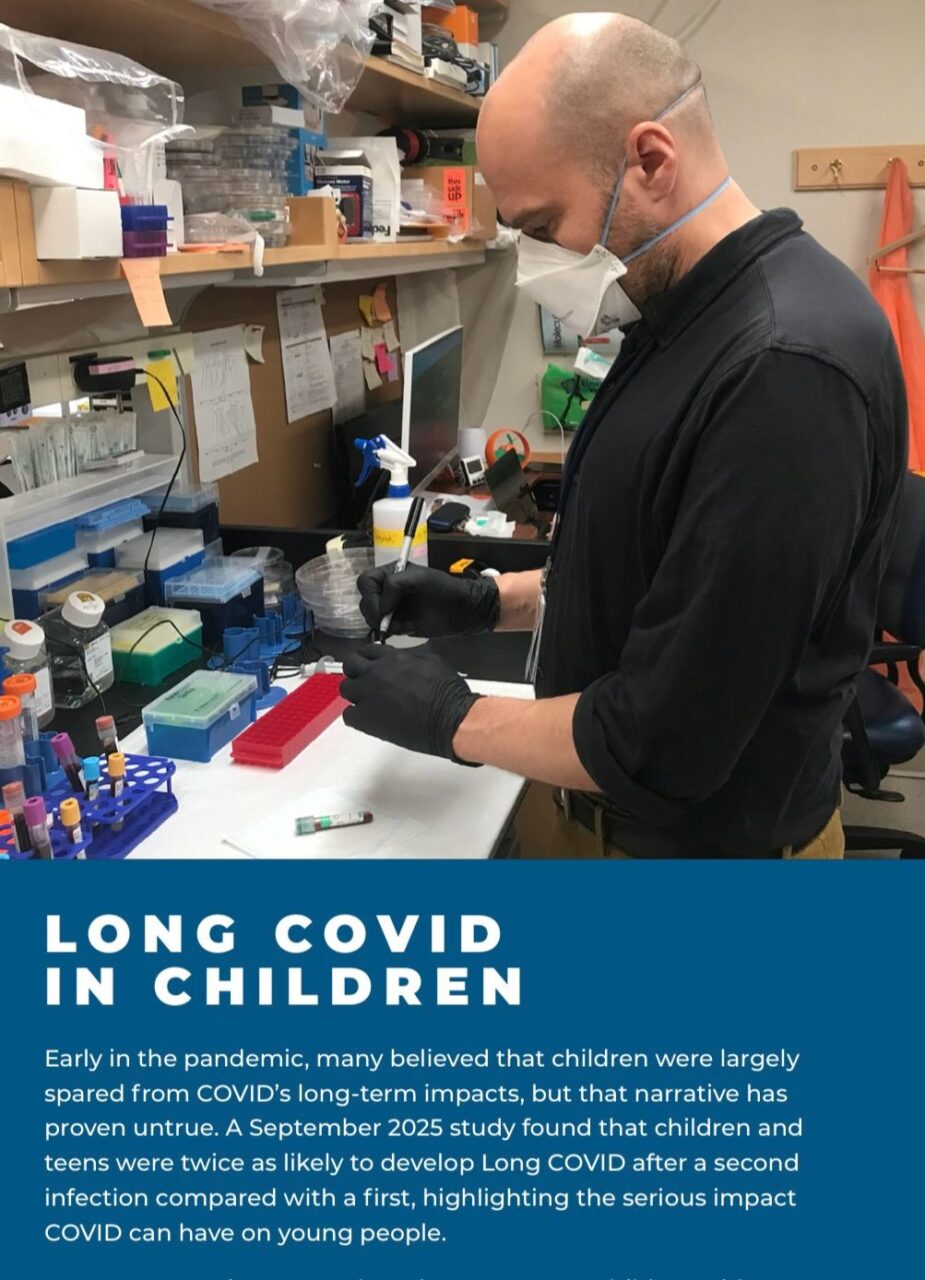
“PolyBio supports research & treatment for children with Long COVID. This year, a study by our team at Harvard Medical School found that neutrophil immune cells from children with Long Covid were hyperactive and associated with pro-inflammatory pathway signaling.
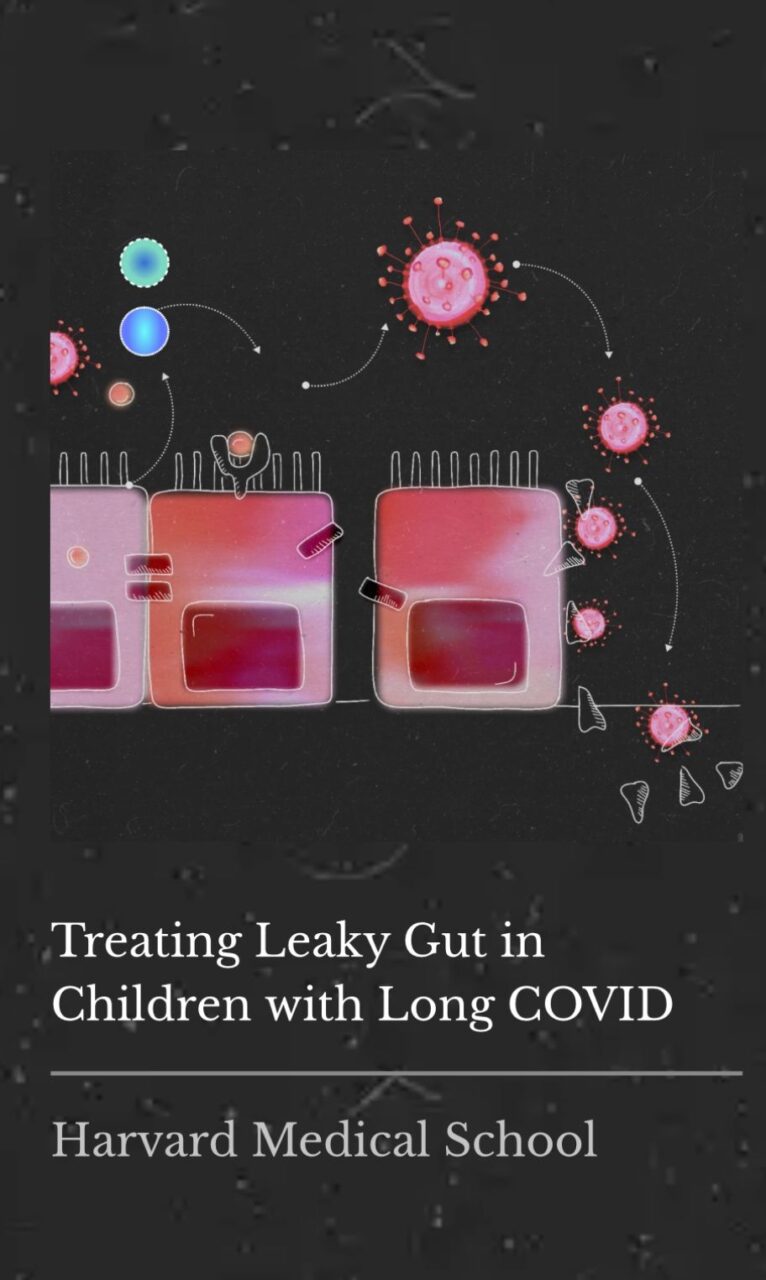
Circulating spike protein, potentially leaking from SARS-CoV-2 tissue reservoirs, was detected in blood from a subset of children. We are further supporting a clinical trial in Long COVID children, to test if the drug Larazotide can reduce gut barrier permeability, thereby stopping spike leakage into blood.
Learn more about the research that PolyBio is driving forward in our Impact Report”
Get informed with Hemostasis Today.
-
Nov 25, 2026, 02:17Ahmad G. Alzahrani: Why Iron Is Low Despite High Ferritin in Inflammatory Anemia?
-
Nov 24, 2026, 15:57100 Years of von Willebrand Disease – From VWF Structure to Clinical Management and Future Directions – Seminars in Thrombosis and Hemostasis
-
Nov 24, 2026, 15:46Matthew Hazell: Rare Blood – Connecting Science with the Patient Experience
-
Nov 24, 2026, 15:23Cold Agglutinin Disease: Beyond Hemolysis Toward Complement-Directed Treatment
-
Nov 24, 2026, 15:19Essama Telli: Recognizing Retiform Purpura as a Sign of Vascular Injury and Thrombosis
-
Nov 24, 2026, 15:11Kerstin Piayda: University Hospital Giessen Performs Europe’s First PE Procedure With Lightning Flash 3.0
-
Nov 24, 2026, 14:55Cecilia Kretz: Evaluating Aspirin-Free Antithrombotic Strategies in HeartMate 3 Patients
-
Nov 24, 2026, 14:54The Future of Global Hemophilia Care and the Impact of the World Health Assembly Resolution
-
Nov 24, 2026, 14:39Andrija Velevski: Why Oxygen Availability Does Not Guarantee Tissue Oxygenation