

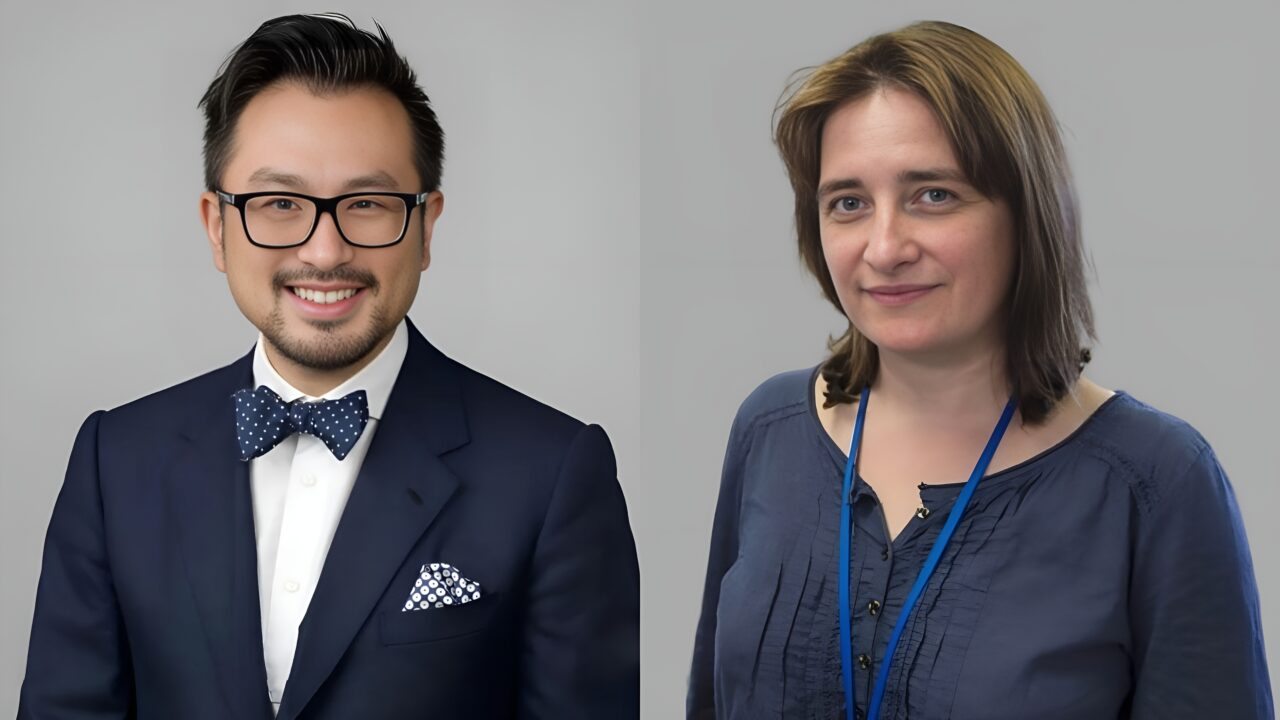
Danny Hsu Shares The ”I-WISh” Study by Nichola Cooper on ITP
Danny Hsu, President of THANZ, reposted from ITP Australia and New Zealand on LinkedIn:
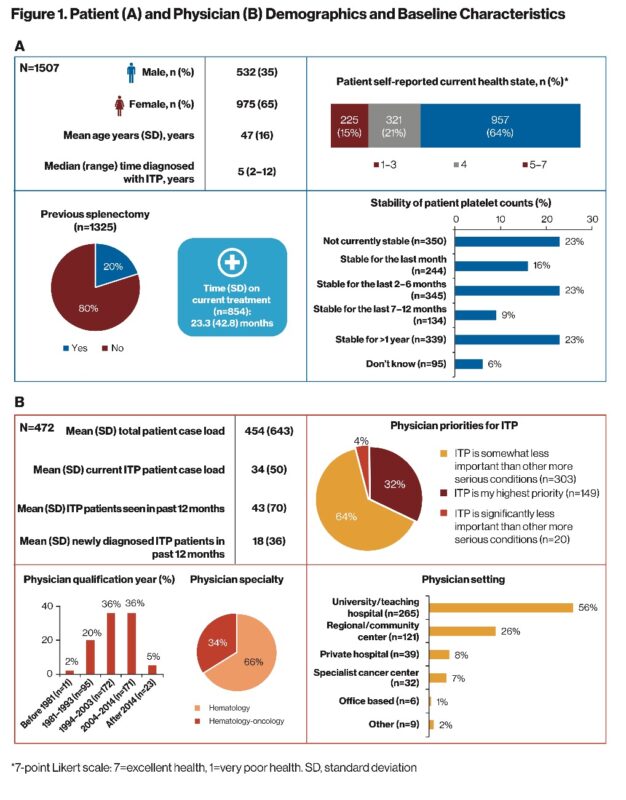
”Burden of disease in ITP patients is more significant than we think!
Thanks to the I-WISh study by Nichola Cooper, an excellent insight into what ITP patients go through.”
Quoting ITP Australia and New Zealand‘s post:
”Fatigue in ITP: A symptom that demands attention.
The original I‑WISh study highlighted a critical gap: while patients consistently report fatigue as one of the most disruptive aspects of Immune Thrombocytopenia (ITP), it is often under‑recognised in clinical practice.
“Fatigue has impacted my work, relationships, and daily routine.”
Now, I‑WISh 2.0 results are being finalised — with Australia included — offering fresh insights into patient and physician perspectives worldwide.
For healthcare professionals, this is a call to action: fatigue is not secondary.
It is central to the patient experience and must be addressed with empathy and integrated care strategies.
Explore the findings.”
Stay updated on all scientific advances with Hemostasis Today.
-
Oct 5, 2026, 22:55Steve Humphreys: A Big Thank You to BSHT for Providing Me With a Recent Skills Exchange Award
-
Oct 5, 2026, 22:52William McKeown: Great to Be in Istanbul for the Opening of the EHC 2026
-
Oct 5, 2026, 22:48Laura Quintas Lorenzo: A New Approach to Healthcare for von Willebrand Disease at EHC 2026
-
Oct 5, 2026, 22:46Anas Zayad: Pleased to Share Our New Review on Thrombosis in SCD and Beta Thalassemia
-
Oct 5, 2026, 22:44Cihan Ay: Honouring Eric Kandel and Eugene Braunwald at the Medical University of Vienna
-
Oct 5, 2026, 22:42Heather L. Gornik: Testing for Aortic and Arterial Thrombosis at VSS 2026
-
Oct 5, 2026, 22:34Hasan Abbas Zaheer: Honoured to Have Co-Authored One of the Four Reviews in The Lancet Thalassemia Series
-
Oct 5, 2026, 22:34Kamyar Shameli: Understanding the Coagulation Cascade – How Anticoagulants Prevent Blood Clots
-
Oct 5, 2026, 22:31Risika Samanta: Pediatric ITP in a 12-year-old – An Atypical Presentation without a Viral Prodrome