

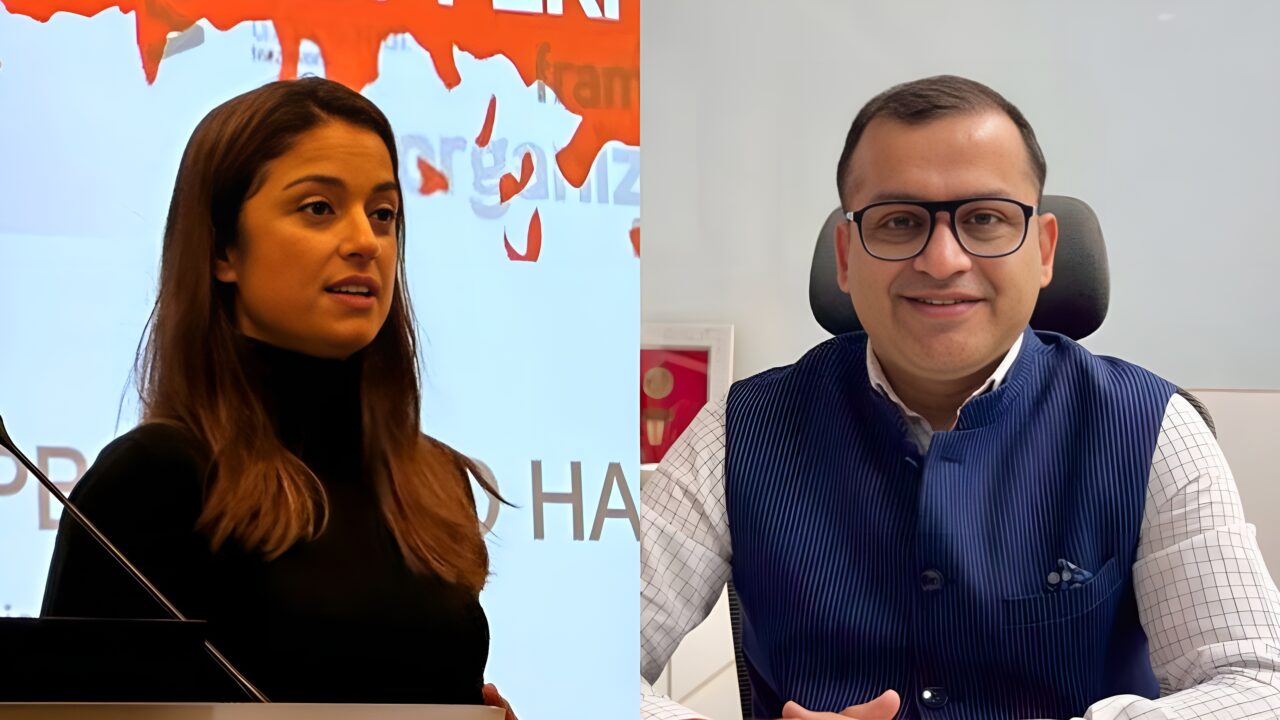
Ajay Gandhi Thanks Diana Castro Paupério for Acknowledging and Championing the Advancement of PBM
Ajay Gandhi, Regional Director – Clinical Affairs (Asia-Pacific) at Werfen, reposted from Diana Castro Paupério on LinkedIn:
”Thank you, Diana Castro Paupério, for your thoughtful and acknowledging words and for championing the advancement of Patient Blood Management (PBM) in your region.
Your contributions to this field are truly inspiring and reflect the commitment needed to drive meaningful change in healthcare.
Happy to be a part of your journey and contributing to the cause!
As we continue our endeavours in PBM, I look forward to exploring avenues for collaboration and knowledge exchange to further strengthen best practices globally!!
In the APAC region, we are committed to leading initiatives that elevate PBM standards and deliver better patient outcomes, and I take this opportunity to invite colleagues and fellow professionals passionate about PBM to join this renaissance and work together toward improving patient care worldwide!!!”
Quoting Diana Castro Paupério‘s post:
”2025 | A year of strategic consolidation in Patient Blood Management
NATA 25 was a truly transformative experience, a space for critical reflection, global alignment, and forward-looking discussion on the future of Patient Blood Management.
Thank you Jens Meier, Sigismond Lasocki, Patrick Meybohm , Tina Tomić Mahečić, Elvira Bisbe Vives and my dear Susan de Bièvre.
In parallel, contributing to the revision of the WHO Implementation Guidance reinforced the essential link between evidence, ethics, and real-world impact in healthcare systems.
Thank you Dr. Axel Hofmann, ME and Fausto Pinto.
2025 also marked the consolidation of my presidency of the Portuguese Chapter of the SIAPBM, alongside a strong focus on education and capacity building, including the PBM Course with Ajay Gandhi.
Thank you Angel Augusto Pérez Calatayud, Fredy Ariza, Guilherme Rabello and Ajay Gandhi.
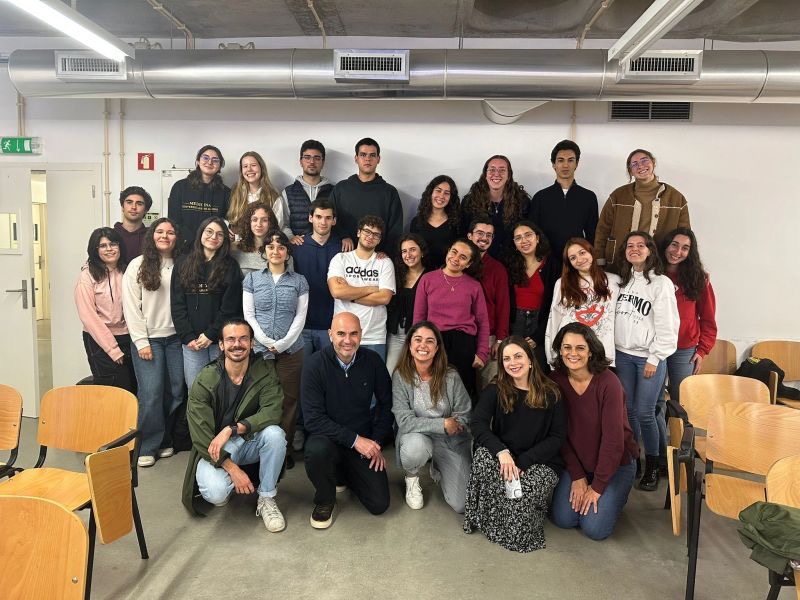
Finally, a source of particular pride: the Integrated Master’s in Medicine at the Universidade de Aveiro.
Teaching Patient Blood Management from the second year of medical training is a deliberate investment in sustainability, in the future of the medical profession, and in truly patient-centred care.
Thank you Firmino Machado and Luis Malheiro.
Thank you Universidade de Aveiro.
A special thank you for our lusobrazilian partnership: Guilherme Rabello, Rosangela Monteiro, Bianca M., Lorena Costa and Dr. Tomaz Crochemore
And to my Iberic partnership: José Antonio García Erce, Manuel Quintana Díaz, Carlos Jericó Alba.
Moving forward with purpose, collaboration, and long-term vision.
Every drop. Every patient. Every future.
Great Job Filipa Duarte Ribeiro, David Ferreira (MD), Sandrine Jorge, Maria Anunciação Ruivo, Federico Sabio, Dialina Brilhante, João Mairos, Antonio Robalo Nunes, Diana Cibele Gonçalves, Paula Alexandra SA, Joana Mourão, José Gonçalves Aguiar, Pedro Lucas Fonseca, Daniela Chalo, Nuno Costa, Lourdes Batista, Sandra andrade, Ana Fonte Boa, Ana Filipa Carvalho, Cardiothoracic Surgery Gaia and Unidade Local de Saúde Gaia e Espinho.”
Stay updated with Hemostasis Today.
-
Oct 19, 2026, 03:54Jennifer Trowbridge: How Mutant Blood Stem Cells Use Inflammation to Drive Their Own Expansion
-
Oct 19, 2026, 03:39Wyenona Hicks: Catching Up With Old Friends and New Colleagues at AABB 2026
-
Oct 19, 2026, 03:33Developing a Non-Invasive Treatment for Life-Threatening PE – University of Michigan College of Engineering
-
Oct 19, 2026, 03:28Jim Hoffman: How NETs Contribute to Gallstone Formation and Growth
-
Oct 19, 2026, 03:28Nicolas Hubacz: The Organized Chaos of Mitochondria
-
Oct 19, 2026, 03:02Neda Horvacki: Using ROTEM to Refine Transfusion Decisions in Acute Trauma
-
Oct 19, 2026, 02:45Diego Escarraman Martinez: MATTERs Study – When a Cohort Gave Us Major Clues about TXA in Trauma
-
Oct 19, 2026, 02:35Brian O Mahony: Promoting Physical Activity and Sport in Haemophilia Care
-
Oct 19, 2026, 02:35Malusi Mtetwa: Tranexamic Acid – What Does the Evidence Tell Us?