

Mohamed Elsaid on The Role of Hyperlipidemia in Thrombogenesis
Mohamed Elsaid, Veterinary Surgeon at Canadian Veterinary Hospital, shared on LinkedIn:
”Hyperlipidemia in Cushing’s Syndrome and Its Role in Thrombogenesis
Hyperlipidemia is a common but often underestimated metabolic consequence of Cushing’s syndrome, and it plays a direct role in the development of thromboembolic disease.
Pathophysiology
Chronic hypercortisolism induces dyslipidemia through multiple mechanisms:
- Increased hepatic VLDL synthesis
- Enhanced lipolysis with redistribution of free fatty acids
- Reduced activity of lipoprotein lipase
- Insulin resistance contributing to altered lipid metabolism
This typically results in:
– Marked hypertriglyceridemia
– Elevated total cholesterol
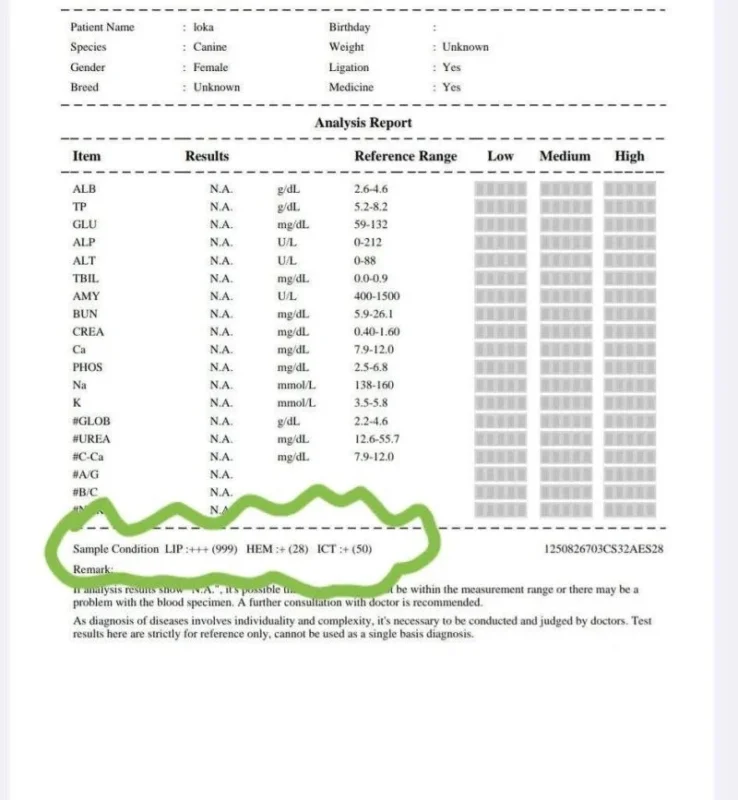
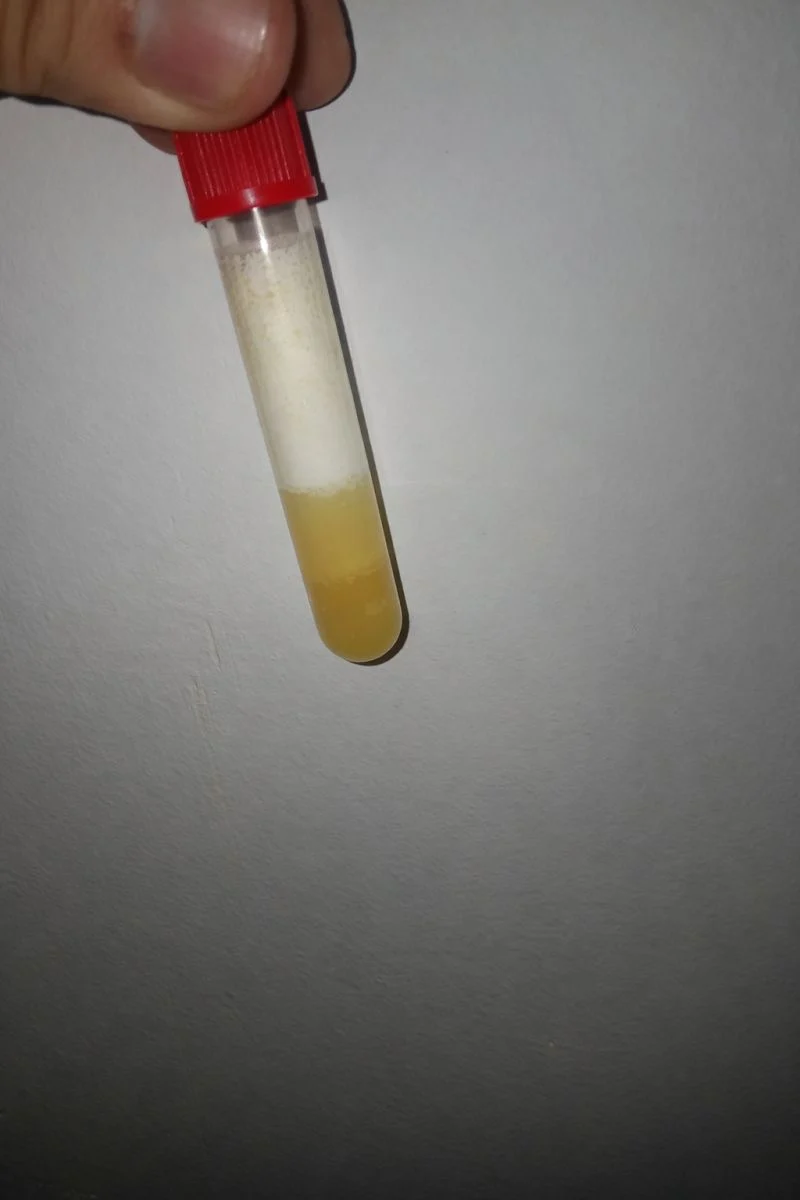
– Lipemic or grossly turbid serum samples (as seen clinically)
– Link Between Hyperlipidemia and Thrombosis
Hyperlipidemia contributes to thrombogenesis by:
- Increasing blood viscosity
- Promoting endothelial dysfunction
- Enhancing platelet activation and aggregation
- Reducing fibrinolytic activity via increased PAI-1
- Upregulating procoagulant factors (Factors VIII, IX, XI)
These effects act synergistically with cortisol-induced:
Antithrombin III suppression
Decreased protein C and S activity
The result is a profound hypercoagulable state.
Clinical Implications
Patients with Cushing’s syndrome are predisposed to:
Venous thromboembolism (VTE)
Pulmonary thromboembolism
Microthrombi affecting renal, hepatic, and pulmonary perfusion
Hyperlipidemia should therefore be viewed as a pathologic contributor, not merely a biochemical abnormality.
Clinical Take-Home Messages
– Lipemic serum in Cushing’s patients is a red flag
– Routine lipid profiling should be part of endocrine case monitoring
– Thrombotic risk assessment is essential, especially in severe or untreated cases
– Early intervention may reduce morbidity and mortality.”
Stay updated with Hemostasis Today.
-
Sep 25, 2026, 12:53Bastu Odoka: What Happened to Blood Donation?
-
Sep 25, 2026, 12:43Thomas Dayspring: Reshaping the Biology of Atherosclerotic Plaques with New Therapies
-
Sep 25, 2026, 12:14Garima Sharma: Community Clinical Linkages for Better Postpartum Cardiovascular Care
-
Sep 25, 2026, 10:49Shefina S: From Presenting to Hosting at TRANSCON 2026
-
Sep 25, 2026, 10:37Michelle Leona Cecil: Hemophilia Advocacy and the Power of Community
-
Sep 25, 2026, 10:13Michael Baria: Platelet Concentration and PRP Outcomes in Partial Rotator Cuff Tears
-
Sep 25, 2026, 09:49Haley Coleman: Volunteering to Support Hemophilia Awareness
-
Sep 25, 2026, 08:55Hitarth Mehta: BHMS Students Gain Practical Exposure to Haemophilia Diagnosis
-
Sep 25, 2026, 07:25Varun Capoor: How Therapeutic Apheresis and Transfusion Medicine Can Complement Clinical Management in SCD