

Maximo Agustin Schiavone: What Does ‘Risk-Factor-Free MI’ Really Mean in Practice?
Maximo Agustin Schiavone, Head of Clinical Research – Bariatric and Metabolic Surgery Department at Hospital Universitario Austral, shared a post on LinkedIn about a recent article by Daniel G. Brieger et al, published in Atherosclerosis:
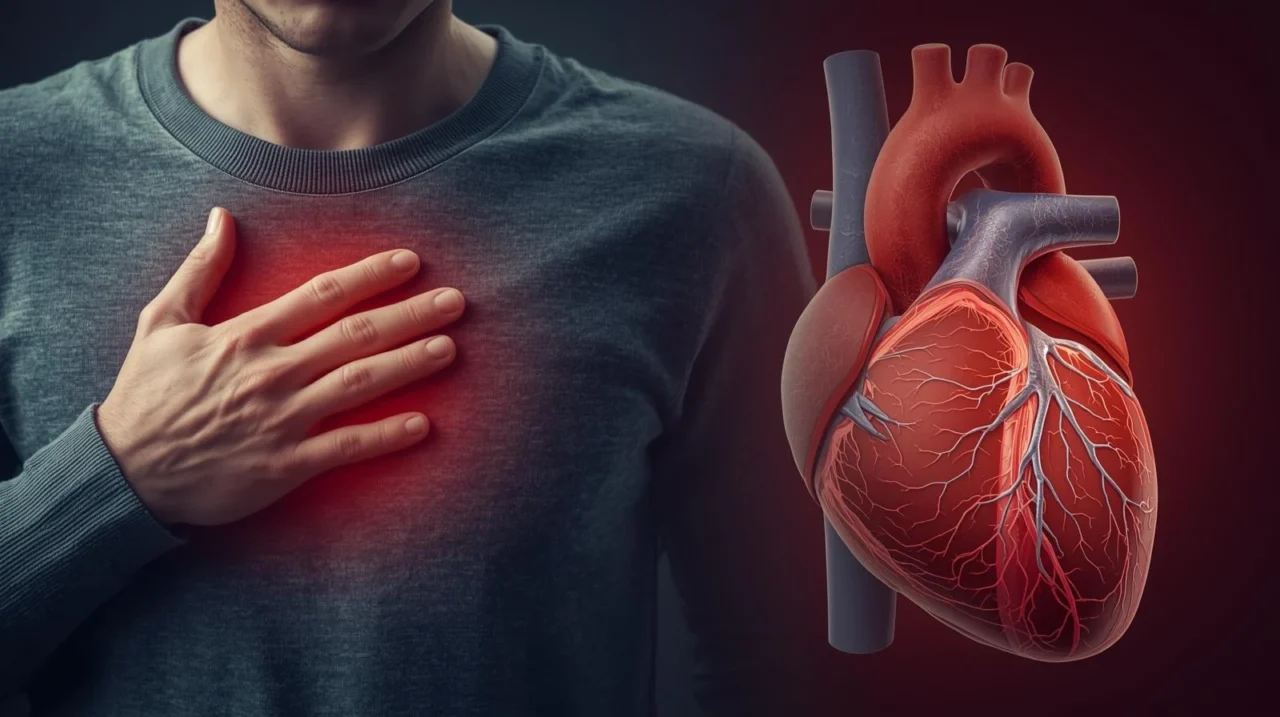
“A ‘risk-factor-free’ heart attack is one of the most uncomfortable truths in preventive cardiology.
Because it exposes a category error we keep making: we treat risk factors as if they were the disease. But the disease is coronary atherosclerosis—and it can be present, active, and dangerous even when the usual checklist looks ‘clean.’
This review puts numbers on it: 14–25% of MI patients present without standard modifiable risk factors (SMuRFs), and SMuRFs explain only ~53–56% of incident CVD events globally. And the inequity signal is loud: SMuRF-less women with MI have nearly a threefold higher early mortality risk compared with men who have at least one risk factor.
So what does ‘risk-factor-free MI’ really mean in practice?
It often means ‘we missed the atherosclerosis’—because our prevention model is built to estimate risk, not to detect disease. The authors explicitly argue for moving beyond probability scores to directly detect the causal disease (atherosclerosis) before symptoms arise.
That framing matters: if you’re ‘SMuRF-less’ the correct clinical reflex shouldn’t be reassurance. It should be better phenotyping and a pathway that stops confusing ‘absence of classic risk factors’ with ‘absence of coronary disease.’
And yes, sex needs to be treated as a biological variable in the whole pipeline, because the performance gaps are most evident in women.”
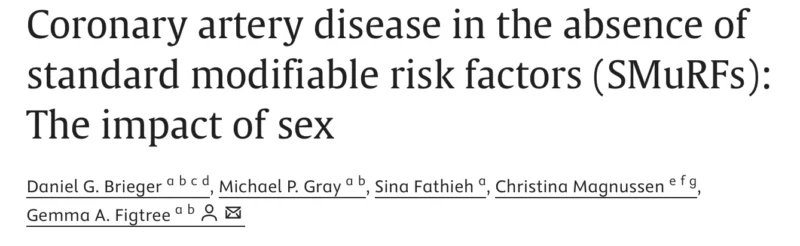
Title: Coronary artery disease in the absence of standard modifiable risk factors (SMuRFs): The impact of sex
Authors: James Amamoo, Lin Xie, Andrea Steffens, Erin Buysman, Caroline Swift, Sherif Mehanna, Noelle N. Gronroos, Marc P. Bonaca
Read the Full Article on Atherosclerosis
Stay updated on all scientific advances with Hemostasis Today.
-
Sep 25, 2026, 12:43Thomas Dayspring: Reshaping the Biology of Atherosclerotic Plaques with New Therapies
-
Sep 25, 2026, 12:14Garima Sharma: Community Clinical Linkages for Better Postpartum Cardiovascular Care
-
Sep 25, 2026, 10:49Shefina S: From Presenting to Hosting at TRANSCON 2026
-
Sep 25, 2026, 10:37Michelle Leona Cecil: Hemophilia Advocacy and the Power of Community
-
Sep 25, 2026, 10:13Michael Baria: Platelet Concentration and PRP Outcomes in Partial Rotator Cuff Tears
-
Sep 25, 2026, 09:49Haley Coleman: Volunteering to Support Hemophilia Awareness
-
Sep 25, 2026, 08:55Hitarth Mehta: BHMS Students Gain Practical Exposure to Haemophilia Diagnosis
-
Sep 25, 2026, 07:25Varun Capoor: How Therapeutic Apheresis and Transfusion Medicine Can Complement Clinical Management in SCD
-
Sep 25, 2026, 07:14Manshi Kesharwani: SAK-GQDs Modulate Thrombus Burden and Endothelial Function in Deep Vein Thrombosis