

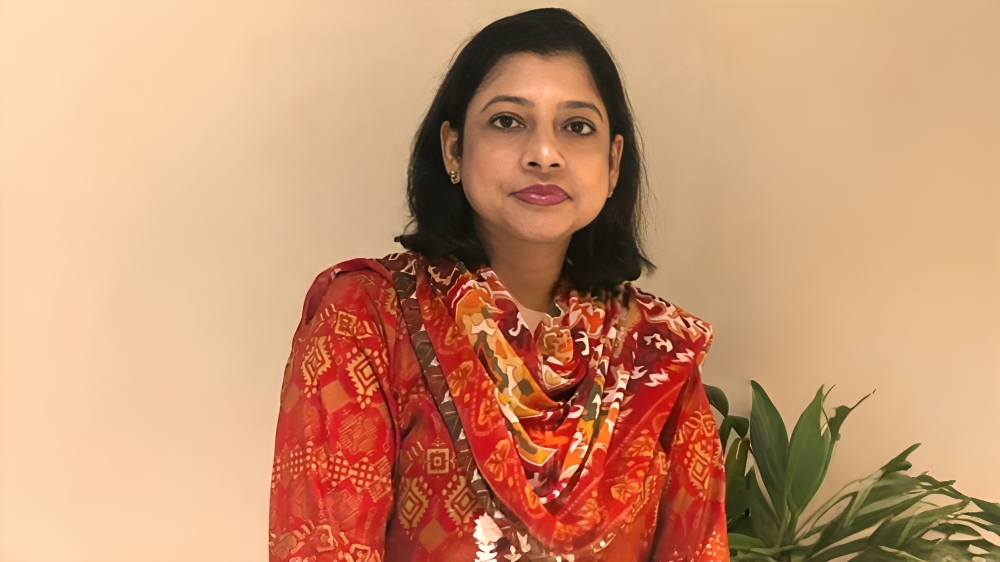
Munira Borhany: Moving Beyond Stereotypes in the Diagnosis of Bleeding Disorders
Munira Borhany, Hematologist/hemato‐oncologist at Dr. Ziauddin Hospital and Midciti Hospital, shared a post on LinkedIn about a recent article she and her colleagues co-authored, adding:
“Von Willebrand disease (VWD) is the most common inherited bleeding disorder but remains under-recognised, particularly among women and girls.
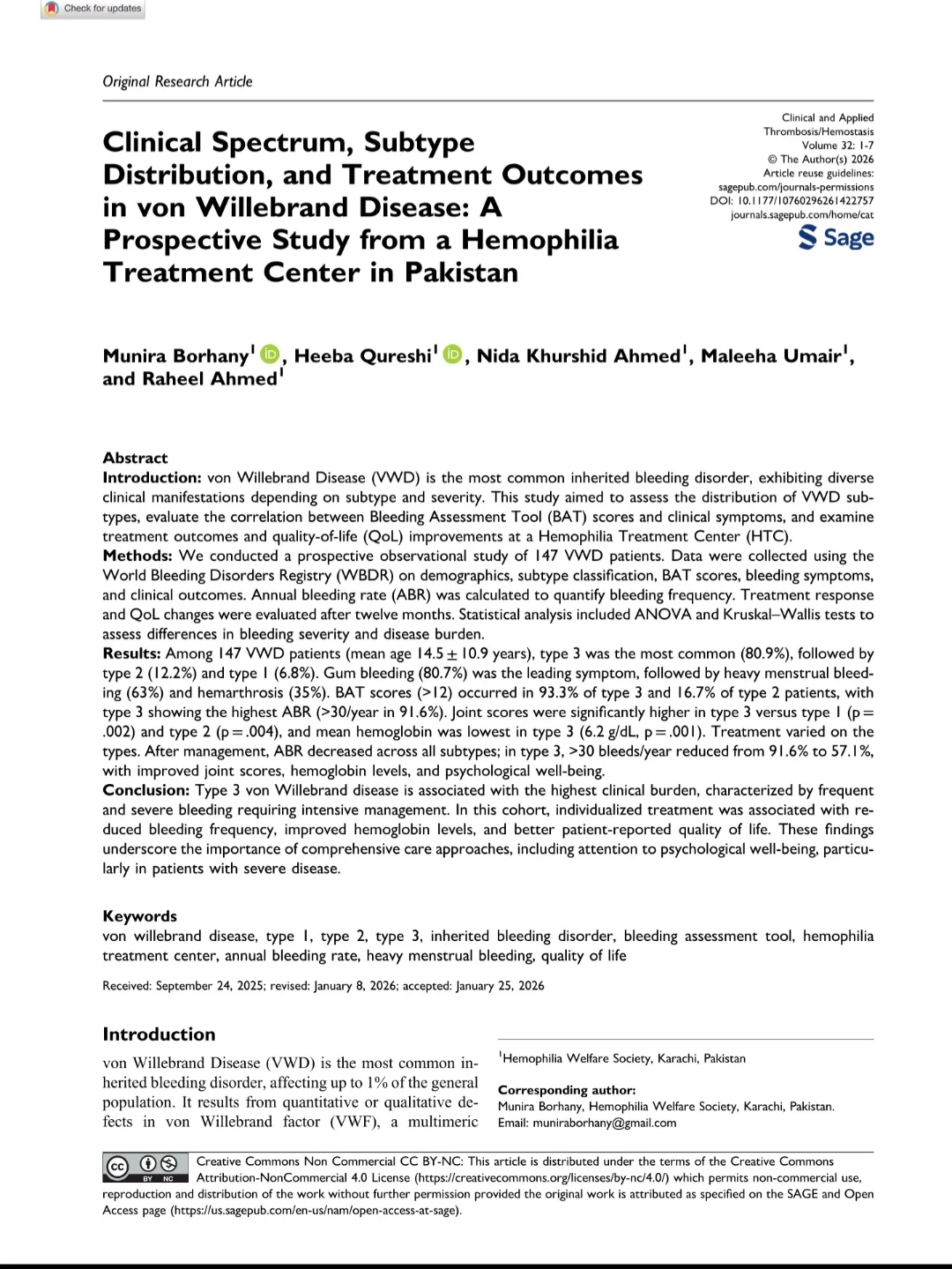
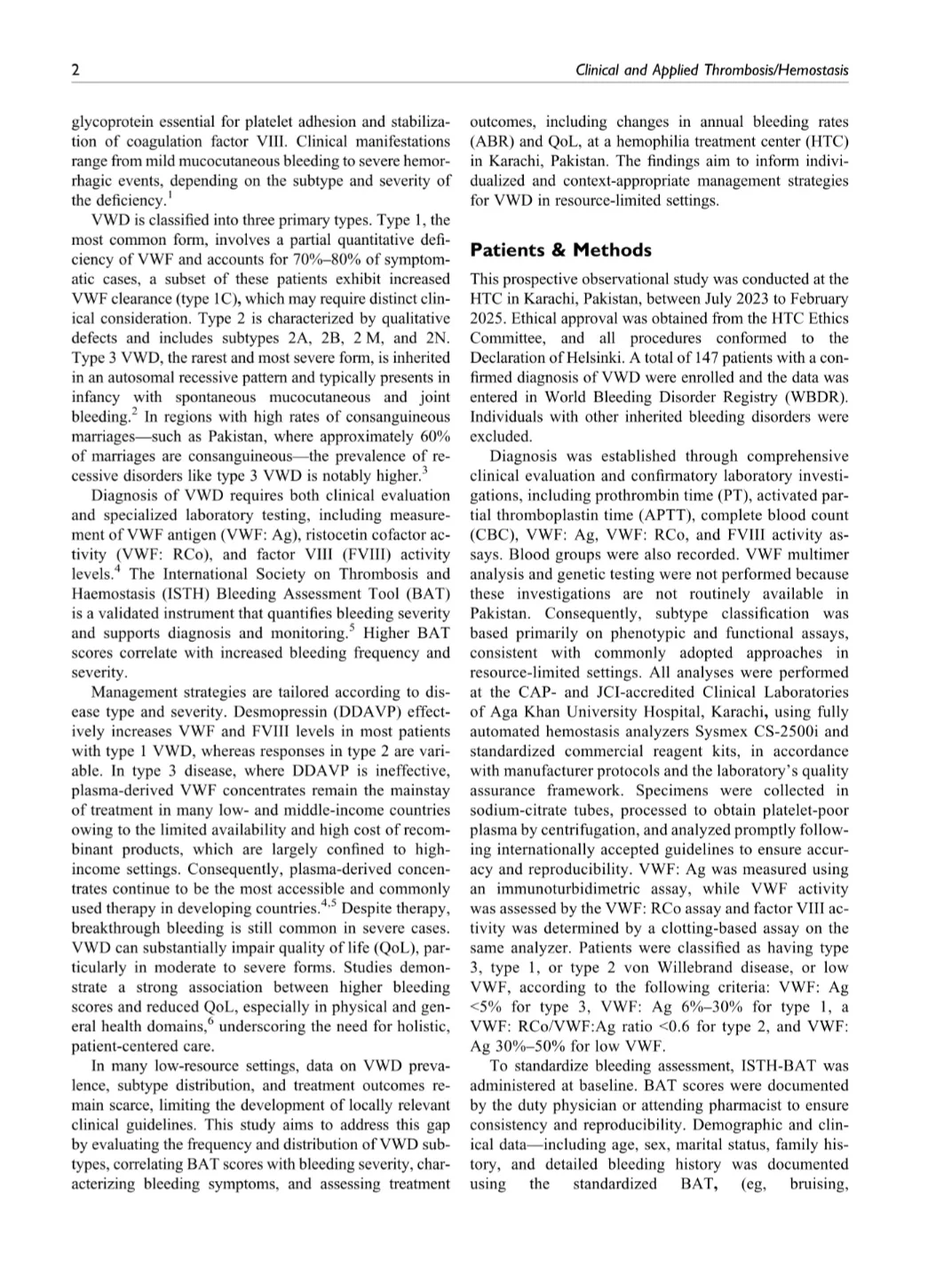
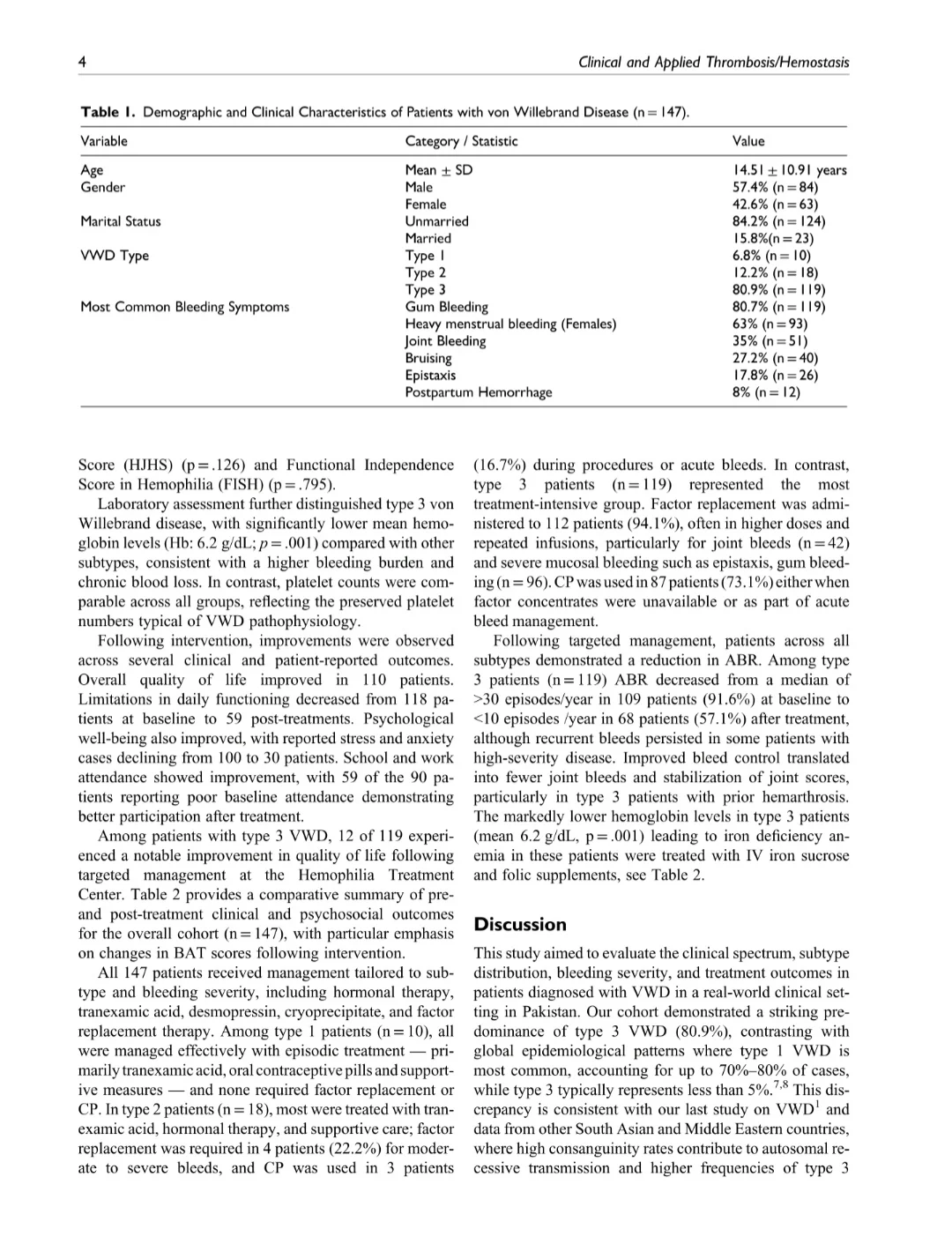
In our recently published study of patients treated at Hemophilia Welfare Society Karachi, we evaluated subtype distribution, bleeding severity, and treatment outcomes.
Key findings:
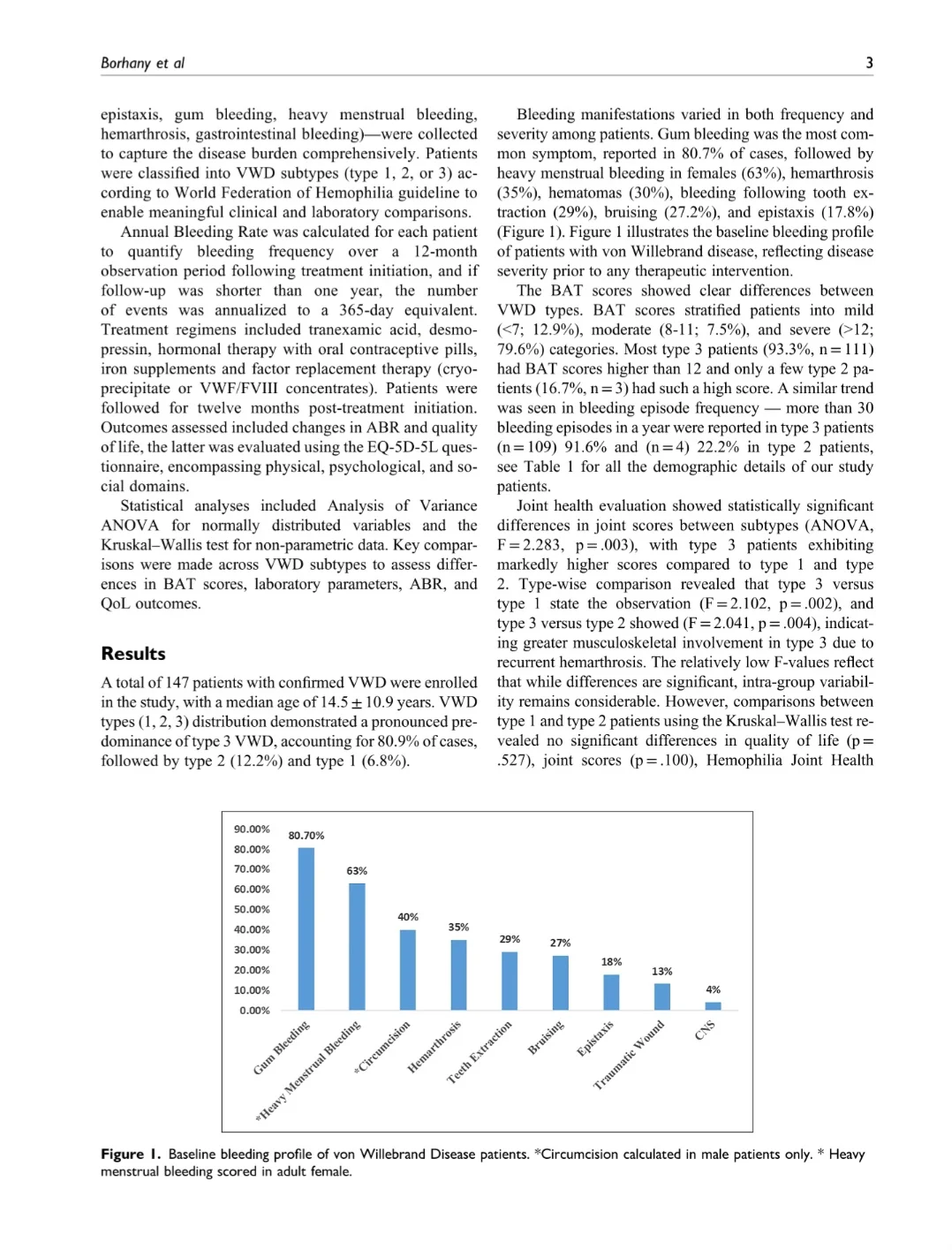
- Type 3 VWD carried the highest clinical burden, with very frequent and severe bleeding.
- Mucocutaneous bleeding, especially gum bleeding, was highly prevalent.
- Joint bleeding significantly affected severe cases.
- 63% of females experienced heavy menstrual bleeding (HMB).
Heavy menstrual bleeding and Iron Deficiency Anemia (IDA) are too often normalised or dismissed. They are not ‘just periods’. They may be the first clinical marker of an inherited bleeding disorder.
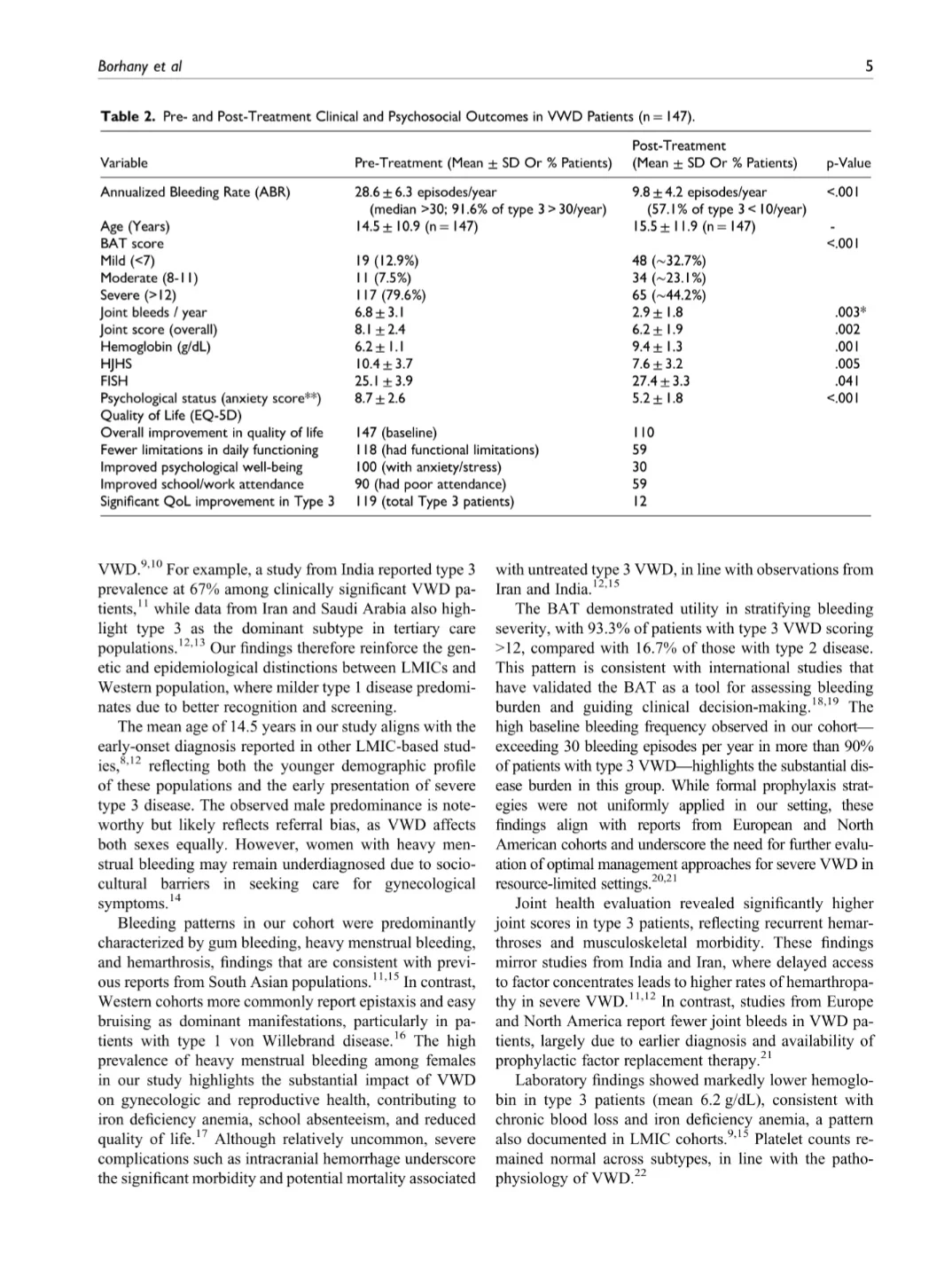
Using structured assessment with ISTH-BAT bleeding scores and individualised management, we observed:
- Reduction in annual bleeding rates
- Improvement in hemoglobin levels
- Better joint outcomes
- Enhanced psychological well-being
Bleeding disorders are not only about boys with joint bleeds.
Women bleed too. Girls bleed too.
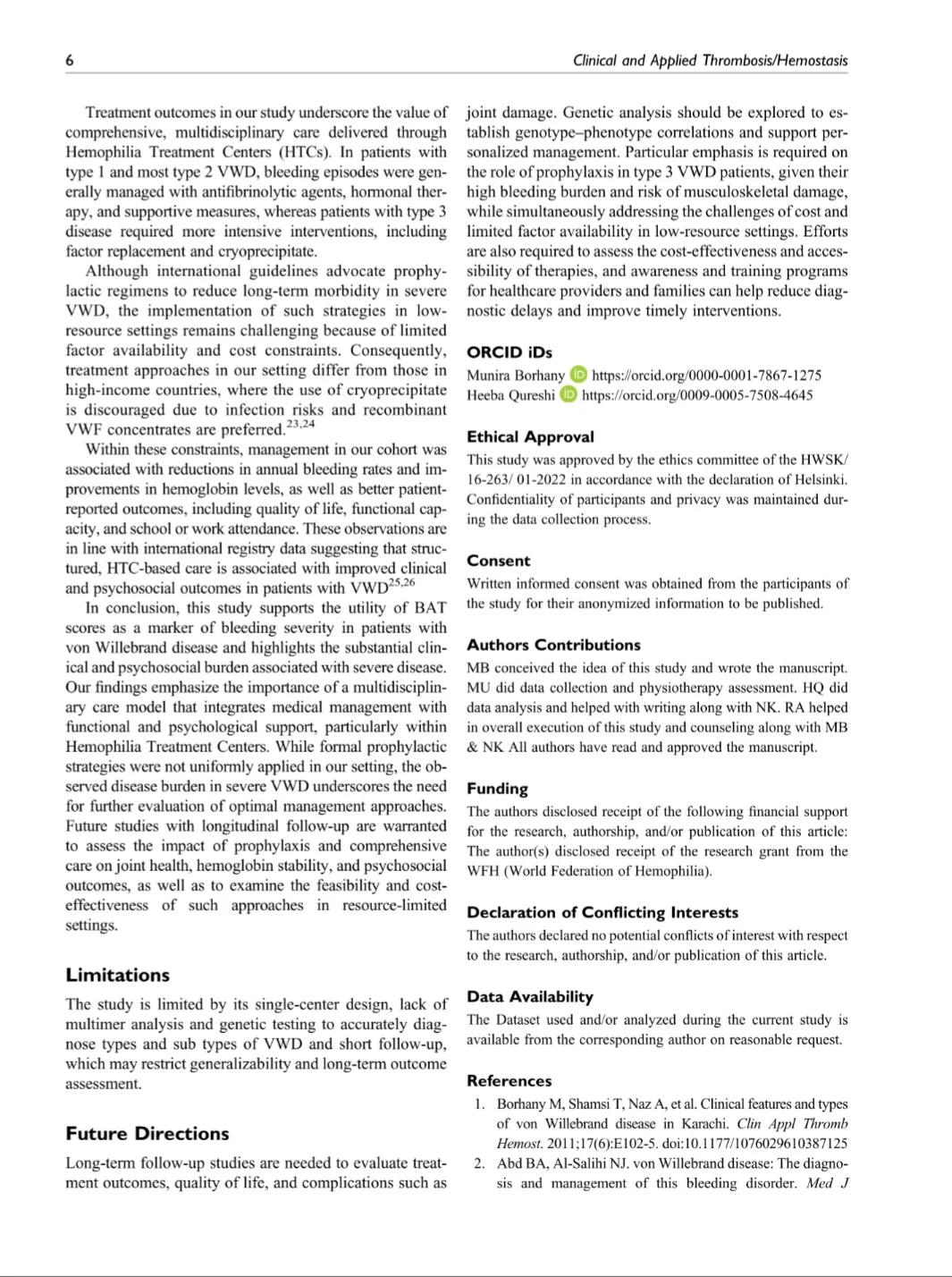
Early diagnosis – particularly in patients presenting with HMB and IDA – is critical. Comprehensive, gender-sensitive screening and timely treatment are essential to improve outcomes and quality of life, especially in resource-limited LMIC settings.”
Title: Clinical Spectrum, Subtype Distribution, and Treatment Outcomes in von Willebrand Disease: A Prospective Study from a Hemophilia Treatment Center in Pakistan.
Authors: Munira Borhany, Heeba Qureshi, Nida Khurshid Ahmed, Maleeha Umair, Raheel Ahmed
Read the Full Article on Sage Journals.

For more information see the gallery.
Stay updated with Hemostasis Today.
-
Oct 5, 2026, 13:24Abdul Muqtadir Abbasi: Diagnostic Pearls for Evaluating Isolated Thrombocytopenia in Residents
-
Oct 5, 2026, 13:16Katerina Pavenski: Rethinking What ‘Normal’ Means for Iron Deficiency
-
Oct 5, 2026, 13:09Rick Matthews: Balancing Established VTE Partnerships with Innovative Interventional Technologies
-
Oct 5, 2026, 13:01Nawsherwan Mohammad: Recognizing TTP Before the ADAMTS13 Result Arrives
-
Oct 5, 2026, 12:51Bruno Pougault: The Hidden Challenges Behind Anti Xa Testing
-
Oct 5, 2026, 12:41Syed Huzaifa Khan: Rethinking CTRP12 as a Biomarker for In Stent Restenosis
-
Oct 5, 2026, 12:29Mirvat Alasnag: Creating a Space for Women in Cardiovascular Medicine
-
Oct 5, 2026, 11:59Khaoula Mazouzi: The Potential of Haemoglobin Vesicles as an Oxygen Carrier
-
Oct 5, 2026, 11:56Muhammet Özbilen: What Does New Evidence Tell Us About IV Iron in Pregnancy?