


Erwin Loh: Can Fiber-Rich Foods Help Reduce Heart Disease Risk in Night Shift Workers?
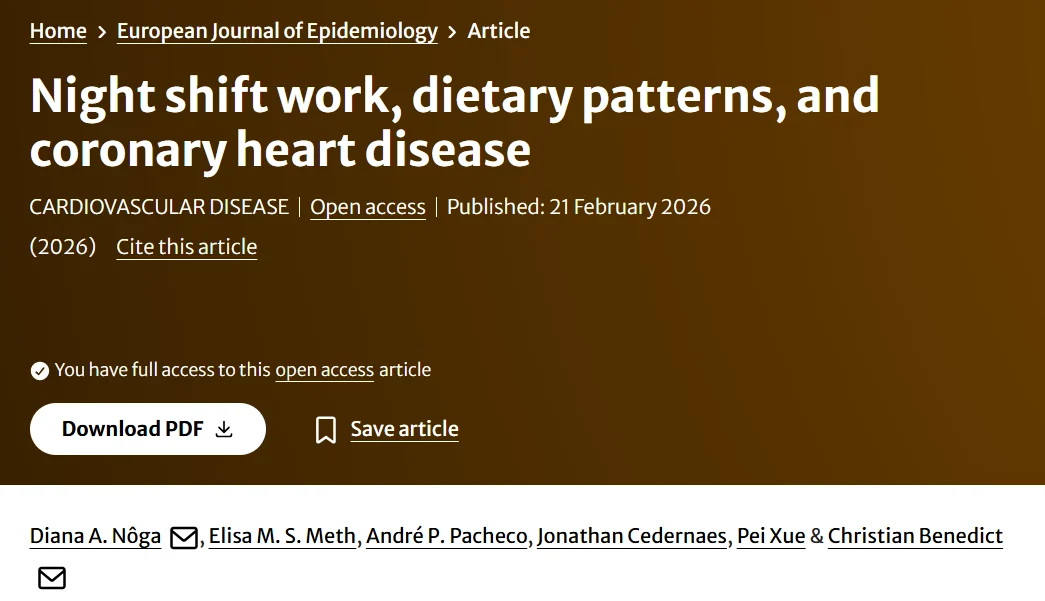
Erwin Loh, President of Royal Australasian College of Medical Administrators, shared a post on LinkedIn about the recent article by Diana A. Nôga et al, published in European Journal of Epidemiology:
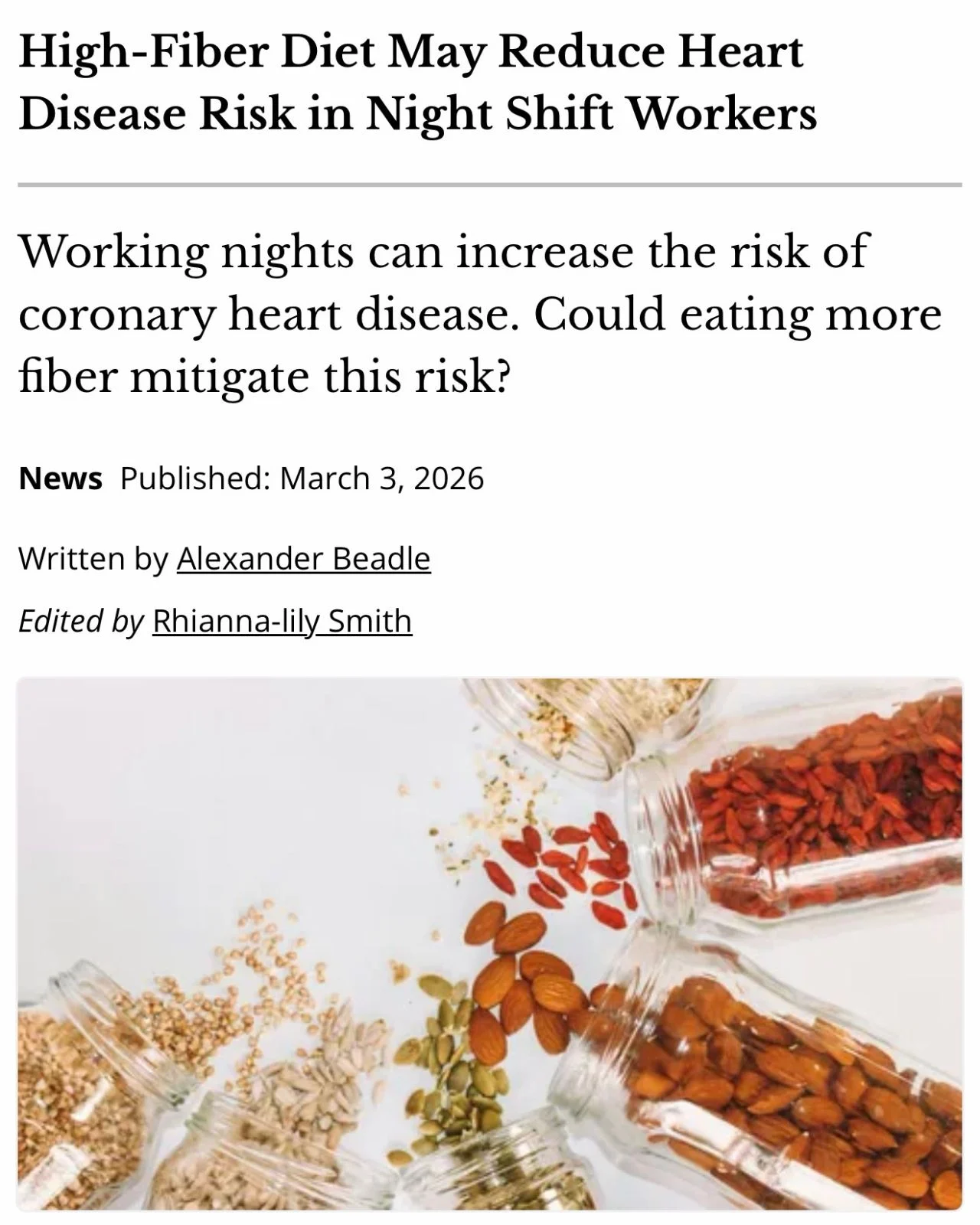
“Working night shifts can increase your odds of developing Coronary Heart Disease (CHD).
But eating a diet high in fiber may help to mitigate this risk, a new study suggests.
Published in the European Journal of Epidemiology, the study reviewed data from more than 220,000 British adults and found that regular night shift workers who ate little fiber in their diets tended to have a higher risk of CHD than their peers who ate more fiber.
The findings suggest that eating a diet with fiber-rich foods – such as whole grains, vegetables, and legumes – could be a simple way for regular night shift workers to reduce their risk of heart disease.”
Title: Night shift work, dietary patterns, and coronary heart disease
Authors: Diana A. Nôga, Elisa M. S. Meth, André P. Pacheco, Jonathan Cedernaes, Pei Xue, Christian Benedict
Read Full Article on European Journal of Epidemiology
Other articles featuring Erwin Loh on Hemostasis Today.
-
Nov 9, 2026, 13:48PF4-ELISA–Negative HIT: Are We Missing a New Class of Anti-PF4 Immunothrombotic Disease?
-
Nov 9, 2026, 13:07Nandini Sadasivam: Gene Therapy for Sickle Cell Disease and Thalassaemia
-
Nov 9, 2026, 13:04Raising Awareness of Bleeding Disorders in Women and Girls – EHC
-
Nov 9, 2026, 12:59Rahul Bohra: Exploring the Complex Mechanisms of Sickle Cell Disease
-
Nov 9, 2026, 12:53Three Years of Movement and Thrombosis Awareness in the Czech Republic – World Thrombosis day
-
Nov 9, 2026, 12:51Octavio Marques Pontes-Neto: Intensive Blood-Pressure Control Reduces Cardiovascular Events After Ischemic Stroke
-
Nov 9, 2026, 12:49Irma Bagdoniene: What Really Makes Us Live Longer
-
Nov 9, 2026, 12:47Imo Akpan: Announcing the 2027 Women’s Hematology Summit
-
Nov 9, 2026, 12:45Shadi Yaghi: Rethinking Antithrombotic Therapy After Stroke