

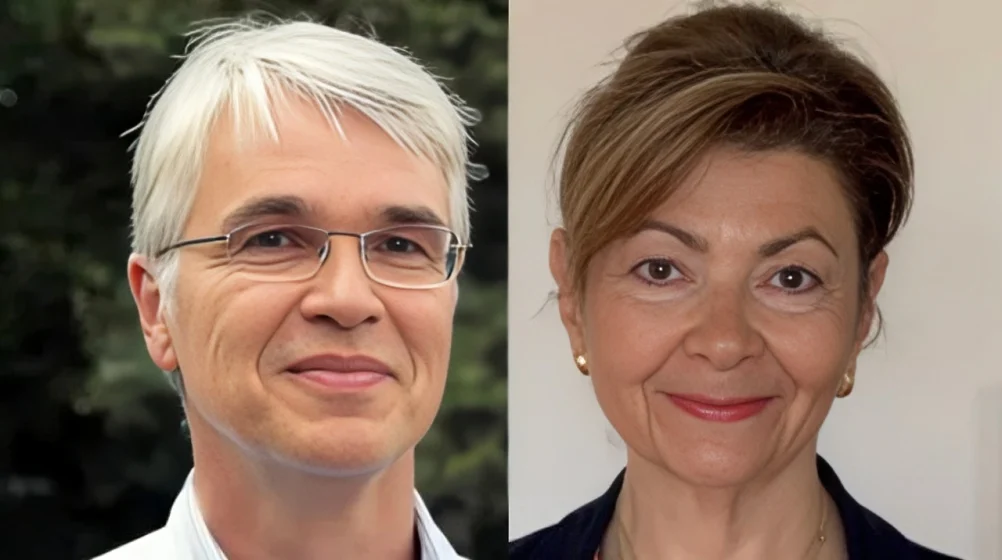
Wolfgang Miesbach: Exceptional Presentation on the Role of vWF in Angiogenesis and Gut Angiodysplasia in VWD
Wolfgang Miesbach, Professor of Medicine at Frankfurt University Hospital, shared a post on LinkedIn:
“Outstanding science at EAHAD 2026 in Dublin!
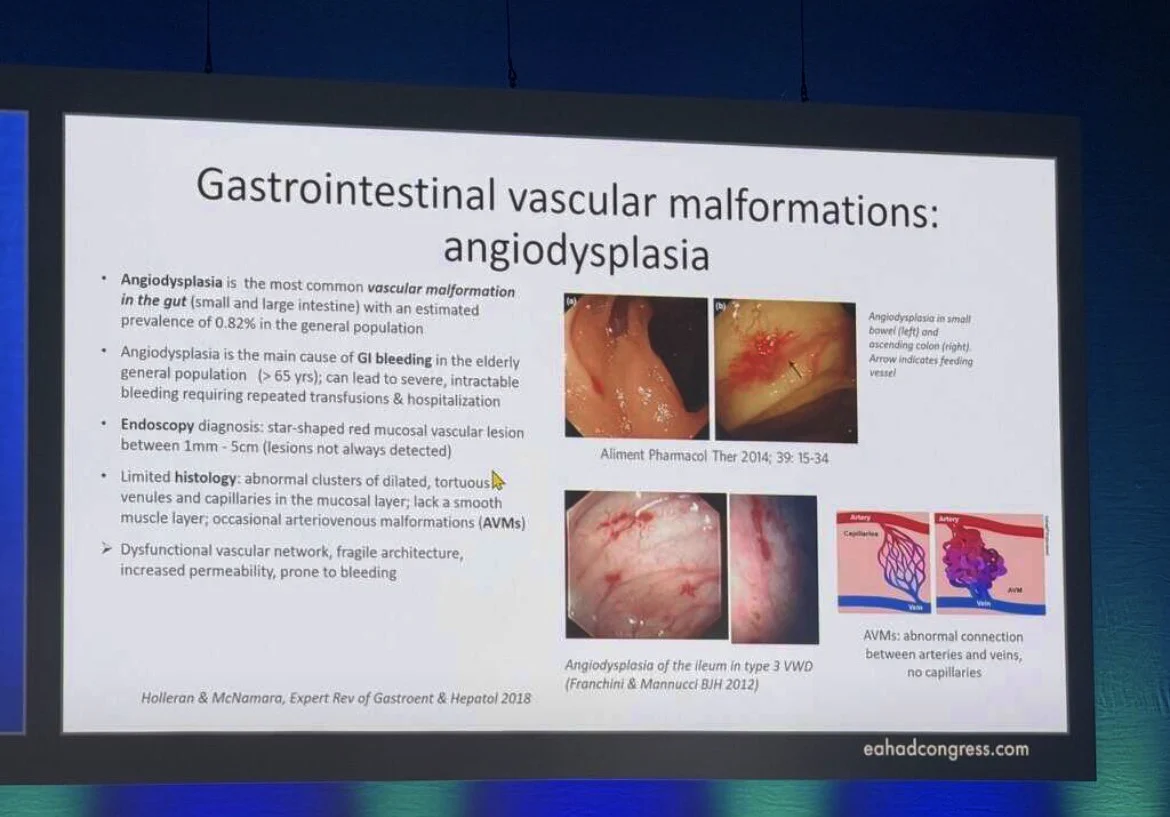
One of the highlights of this year’s congress was the exceptional presentation by Anna Randi on the fascinating — and still underappreciated — role of Von Willebrand Factor in angiogenesis and gut angiodysplasia in VWD, why VWF replacement therapy fails in GI bleeding — and what we can do about it.
The clinical problem: 5–20% of VWD patients suffer recurrent, intractable GI bleeding from angiodysplasia — dilated, fragile mucosal vessels prone to rupture.
VWF/FVIII concentrates reduce joint bleeds effectively, but annualised GI bleed rates remain stubbornly high (median 6 episodes/year even on prophylaxis, VWD-PN data).
Beyond the gut: Vascular abnormalities in VWD are not restricted to the GI tract. A scoping review of 61 studies and 146 patients confirmed malformations also in the mouth and face, skin, spleen, brain (AVMs), and genitourinary tract — with 15 patients documented as having HHT. All subtypes are affected, most frequently type 2A, 2B, and type 3.
The mechanism: VWF is not just a haemostatic protein — it is essential for forming Weibel-Palade Bodies (WPB) in endothelial cells. WPBs store Angiopoietin-2 (Angpt-2); without VWF, Angpt-2 leaks out continuously, disrupting the Angpt-1/Angpt-2 balance at the TIE2 receptor, driving pathological sprouting angiogenesis, vascular permeability, and inflammation.
The evidence: VWF-deficient ECs show increased tube formation, increased migration (reversed by VEGFR-2 inhibitor SU4312), and increased Angpt-2 secretion — confirmed in Matrigel, zebrafish models, and human colon tissue.”
Other posts featuring Wolfgang Miesbach on Hemostasis Today.
-
Oct 5, 2026, 15:31Irma Bagdoniene: Multidisciplinary Management of High-Risk Familial Hypercholesterolaemia and CAD
-
Oct 5, 2026, 15:00Serena Williams and Pulmonary Embolism: From Personal Crisis to Lessons in Venous Thromboembolism
-
Oct 5, 2026, 14:55Marco Moscarelli: 3D Reconstruction Enhances Volumetric Assessment of Post-TAVI Thrombosis
-
Oct 5, 2026, 13:24Abdul Muqtadir Abbasi: Diagnostic Pearls for Evaluating Isolated Thrombocytopenia in Residents
-
Oct 5, 2026, 13:16Katerina Pavenski: Rethinking What ‘Normal’ Means for Iron Deficiency
-
Oct 5, 2026, 13:09Rick Matthews: Balancing Established VTE Partnerships with Innovative Interventional Technologies
-
Oct 5, 2026, 13:01Nawsherwan Mohammad: Recognizing TTP Before the ADAMTS13 Result Arrives
-
Oct 5, 2026, 12:51Bruno Pougault: The Hidden Challenges Behind Anti Xa Testing
-
Oct 5, 2026, 12:41Syed Huzaifa Khan: Rethinking CTRP12 as a Biomarker for In Stent Restenosis