

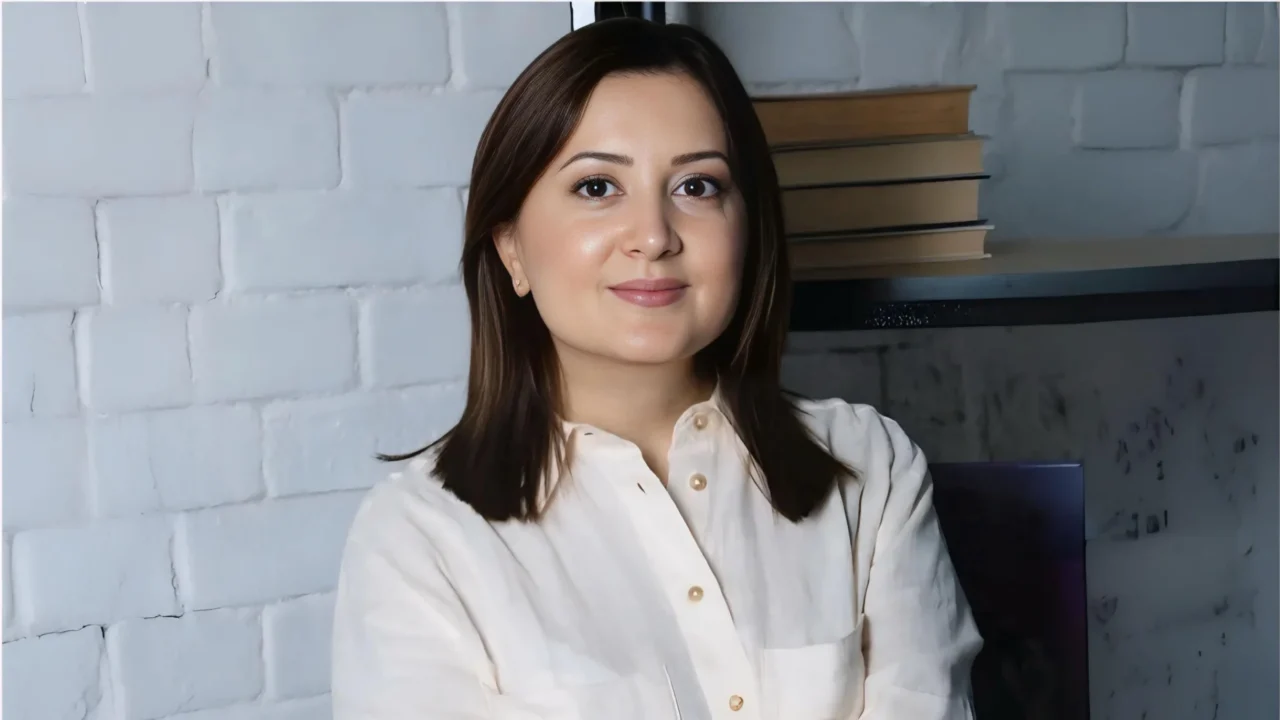
Heghine Khachatryan: When Vascular Fragility Defines Risk – Rethinking Hemostasis in LDS
Heghine Khachatryan, Editor-in-Chief of Hemostasis Today, Head of Hemophilia and Thrombosis Center at Yeolyan Hematology and Oncology Center, shared a post on LinkedIn:
“When Vascular Fragility Defines Risk: Rethinking Hemostasis in Loeys – Dietz Syndrome
Loeys – Dietz syndrome (LDS) is widely recognized as a connective tissue disorder with aggressive vascular involvement, driven by mutations in the TGF-β signaling pathway.
Yet, beyond aneurysms and dissections, an important question remains insufficiently addressed:
Do we fully understand the hemostatic and perioperative risks in these patients?
Clinical Reality
Patients with LDS often present with:
- Marked arterial tortuosity and aneurysmal disease
- Extreme vascular fragility
- Need for repeated surgical or endovascular interventions
However, intraoperative and postoperative courses may be complicated by:
- Unexpected bleeding
- Tissue friability
- Challenging hemostasis despite ‘normal’ routine labs
The Hidden Hemostasis Dimension
While LDS is not classically categorized as a coagulation disorder, several mechanisms may be clinically relevant:
- Structural vessel wall defects – mechanical bleeding tendency
- Altered extracellular matrix – impaired vascular integrity
- Possible endothelial dysfunction
- Limited evidence regarding platelet – vessel interaction abnormalities
Key Questions for Experts
- Should LDS be considered a functional bleeding-risk condition, even with normal PT/aPTT?
- Is there value in extended hemostasis testing (platelet function, viscoelastic assays)?
- How should we optimize perioperative hemostatic strategies?
- Should antifibrinolytics (e.g., tranexamic acid) be used more proactively?
- Do current surgical protocols sufficiently reflect vascular fragility biology?”

More posts featuring Heghine Khachatryan on Hemostasis Today.
-
Oct 21, 2026, 00:58Anees Ur Rahman: Completing a Two-Week Clinical Rotation at Haemophilia Treatment Centre Rawalpindi
-
Oct 21, 2026, 00:56Caitlyn Mooney: Pulmonary Embolism in Athletes, Recognition and Return to Sport
-
Oct 21, 2026, 00:54Hani Karrar: Pleased to Share Our Review on Emicizumab in Hemophilia A Management
-
Oct 21, 2026, 00:53Akshay Sharma: HSCT Leads to Sustained Improvements in Sickle Cell Cardiomyopathy for Up to 3 Years
-
Oct 21, 2026, 00:51Prateek Meena: The F. A. T. R. N. Mnemonic for Recognizing TTP
-
Oct 20, 2026, 23:51Registration Is Open for WFH CCS 2027 – World Federation of Hemophilia
-
Oct 20, 2026, 23:44Edward Lee Carter: AF in Nursing Homes – When Stroke Risk Scores Tell Only Part of the Story
-
Oct 20, 2026, 22:59Building Effective Patient Advocacy Through Collaboration Between Patients and Clinicians – EHC
-
Oct 20, 2026, 21:22Intezar Mehdi: When Prolonged Bleeding May Indicate an Underlying Bleeding Disorder