


Michael Baffuor-Asare: Rethinking How We Manage Rare Blood Groups
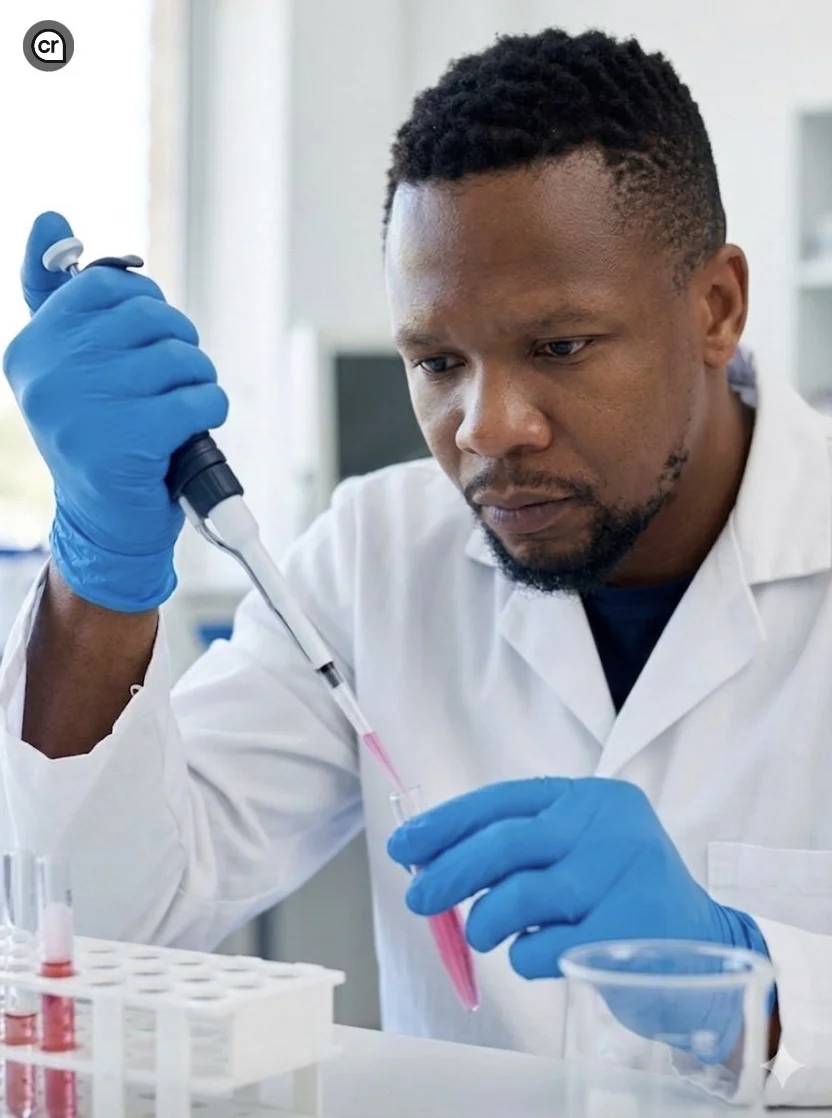
Michael Baffuor-Asare, Lecturer at College of Medicine and Allied Sciences (COMAS) – North Legon, shared a post on LinkedIn:
“‘He didn’t die from lack of treatment… he died waiting for O Negative blood.
In 2026, that should never happen.’
Recently, I have seen several individuals with O Negative blood group, universal donors yet one of the rarest needing urgent transfusion support.
Despite all efforts, the blood simply wasn’t available in time. The outcomes were devastating.
I am sure you may have witnessed same in your line of duty as healthcare professional. It is a systemic problem which is solvable with a little proactiveness.
As medical laboratory scientists, clinicians, policymakers, and citizens, we must rethink how we manage rare blood groups, especially O Negative.
Here are critical, actionable steps we need to prioritize:
1. Build and Maintain a Rare Donor Registry:
We need a well-coordinated, continuously updated national (and regional) database of individuals with rare blood groups.
This registry should include contact information, donation history, and geographic location to enable rapid mobilization during emergencies.
2. Shift from Replacement to Voluntary Donation Culture:
Too many systems still rely on ‘family replacement’ donations. This model fails patients with rare blood groups.
We must invest in sustained public education and campaigns that promote regular, voluntary blood donation especially targeting rare group donors.
3. Establish Strategic Blood Reserves:
Blood banks must adopt proactive inventory management for rare groups. This includes scheduled donations from known O Negative donors and use of advanced storage techniques (such as frozen red cell preservation where feasible).
4. Leverage Technology for Rapid Response:
Mobile apps, SMS alert systems, and digital platforms can instantly notify registered donors when there is an urgent need nearby. In emergencies, minutes matter but technology can bridge that gap.
5. Strengthen Inter-Facility and National Collaboration:
Hospitals and blood banks should not operate in silos. A coordinated network allows redistribution of rare blood units across regions before crises escalate.
6. Incentivize and Retain Rare Blood Donors:
Recognition programs, health benefits, and consistent engagement can help retain rare donors. These individuals are not just donors but lifesavers on standby.
7. Integrate Blood Group Awareness into Routine Healthcare:
Every individual should know their blood group, and those with rare types should be educated on the critical role they play. Awareness is the first step toward preparedness.
We cannot continue to lose lives to something as preventable as blood availability.
If you are O Negative or know someone who is, understand this:
You are not just a donor.
You are a universal lifeline.
Let’s build systems that ensure no patient dies waiting for blood that exists but simply wasn’t accessible.”
Stay updated with Hemostasis Today.
-
Sep 30, 2026, 01:52Javed Anees: DADA2 – When a Young Stroke Is More Than a Stroke
-
Sep 30, 2026, 01:51How a Venous Thrombus Becomes Revascularized – ISTH
-
Sep 29, 2026, 22:45Victor Agunyego: Paracetamol – The Most Common Drug We Underestimate
-
Sep 29, 2026, 22:42Nova Sinclair: Advancing the Future of Hematology – Meet Our 2027 Organizing Committee
-
Sep 29, 2026, 22:41Lorenz Räber: Intracoronary Imaging in PCI – Why, When, How, and Which Modality?
-
Sep 29, 2026, 22:31Selma Turkovic: Pleased to Deliver the Opening Presentation at Kingston Hospital
-
Sep 29, 2026, 22:31Miguel Teran: Ultrasound and Simulation in Arterial Blood Sampling
-
Sep 29, 2026, 22:28Mohammad Refaei: Navigating Your Career in Hematology From Training to Practice
-
Sep 29, 2026, 22:27Matteo Foschi: 10 Clinical Pearls for Antithrombotic Therapy in Secondary Stroke Prevention