

The Dual Role of PAI-1 Mutations in Bleeding and Thrombotic Disorders – ICHCC
Iranian Comprehensive Hemophilia Care Center (ICHCC) shared a post on LinkedIn:
“PAI-1 Mutation versus PAI-1 Deficiency — Clinical Differences:
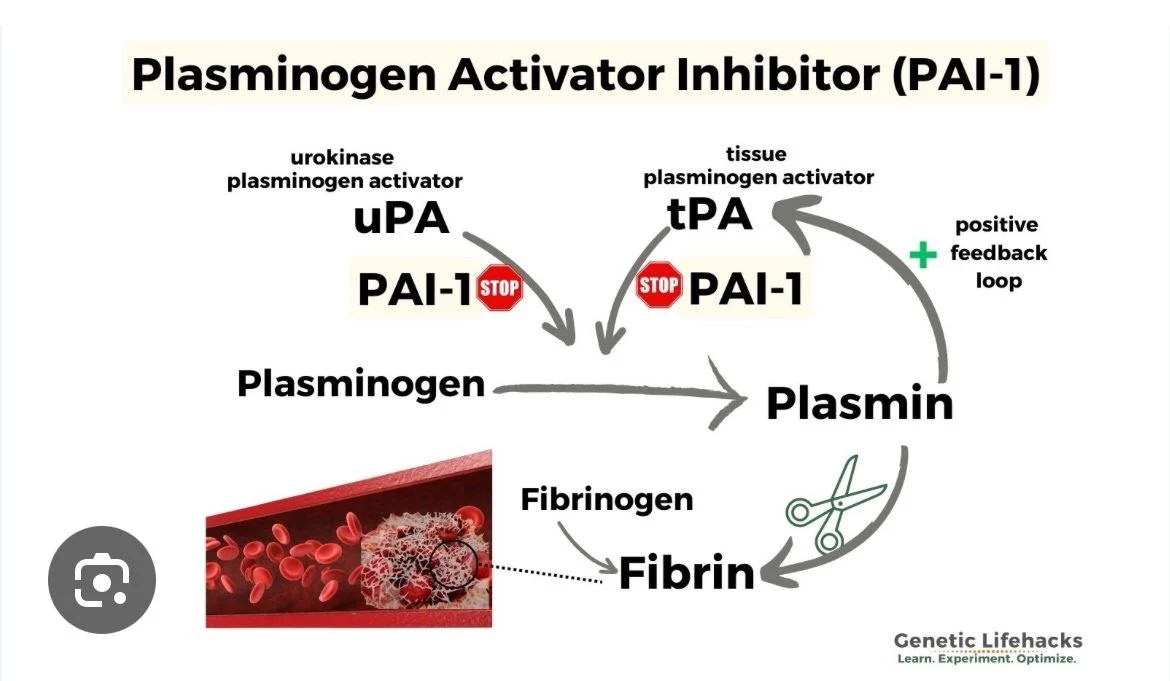
Plasminogen Activator Inhibitor-1 (PAI-1) is a key regulator of the fibrinolytic system and controls the activity of tPA and uPA.
Although the terms PAI-1 mutation and PAI-1 deficiency are sometimes used interchangeably, they can present very differently clinically.
What is PAI-1 Deficiency?
PAI-1 deficiency is a rare inherited bleeding disorder caused by markedly reduced or absent PAI-1 activity.
Main Clinical Features:
- Delayed bleeding after trauma or surgery
- Menorrhagia
- Epistaxis
- Postpartum hemorrhage
- Excessive fibrinolysis with unstable clot formation
Patients usually have normal coagulation tests but increased fibrinolytic activity.
What does ‘PAI-1 mutation’ mean?
A PAI-1 mutation may lead to:
- low function (loss-of-function)
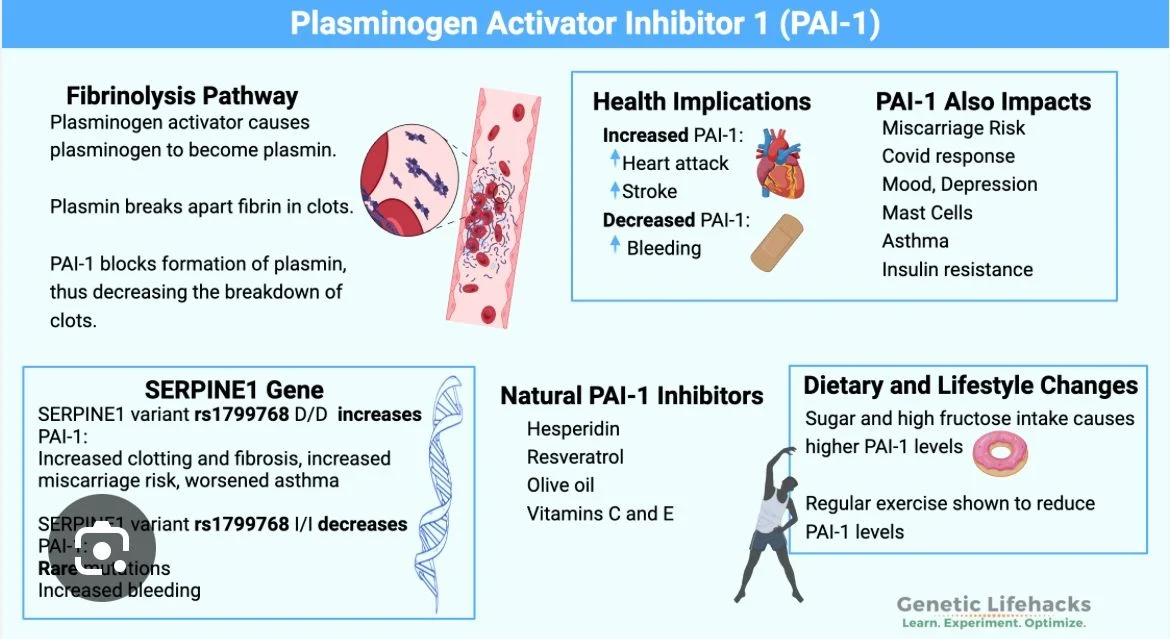
- high expression/activity (gain-of-function)
- altered regulation of fibrinolysis
Therefore, not all PAI-1 mutations cause bleeding.
Clinical Difference
PAI-1 Deficiency usually presents with:
- Bleeding tendency
- Hyperfibrinolysis
- Poor clot stability
Certain PAI-1 Mutations May instead be associated with:
- Thrombotic tendency
- Increased fibrosis
- Cardiovascular risk
- Metabolic syndrome (in some polymorphisms)
Example:
The 4G/5G polymorphism can influence PAI-1 expression and thrombosis risk.
Key Concept
PAI-1 deficiency equals absence/reduction of inhibitor – excessive fibrinolysis – bleeding
Some PAI-1 mutations equals excess inhibitor activity – impaired fibrinolysis – thrombosis
Take-home Message
Not every PAI-1 mutation behaves like true PAI-1 deficiency.
The clinical presentation depends on whether the mutation decreases or increases PAI-1.”
Stay updated with Hemostasis Today.
-
Oct 19, 2026, 16:36Christopher Pittman: Blood Clot Prevention Cannot End at Hospital Discharge
-
Oct 19, 2026, 16:13Javier M. Floren: When Immune Cells Move With Their Environment
-
Oct 19, 2026, 16:04Hussnain Javaid: New EHA Guidelines for HbSC Disease Management
-
Oct 19, 2026, 15:50Deep Madkaiker: A New Academic Opportunity in Transfusion Medicine at ACTREC
-
Oct 19, 2026, 15:19Why Hematologists Should Care About Diminished Ovarian Reserve in SCD – ASH Education
-
Oct 19, 2026, 14:16Hyperfibrinolysis as an Underrecognized Cause of Bleeding
-
Oct 19, 2026, 13:36Shobhna Ladva: Aspen Pharma EME Raises Awareness of Blood Clot Risks During Hormonal Transitions
-
Oct 19, 2026, 13:11Giulia Furnari: Connecting With Global Hematology Experts at IACH 2026
-
Oct 19, 2026, 12:46Andrew Choong: Recognizing Thrombosis Before It Becomes Life-Threatening