


Melissa Hollo: Women Deserve Proactive Care, Not Reactive Care
Melissa Hollo, Director of Project Management at hc1 and Licensed Independent Clinical Social Worker, shared a post on LinkedIn:
“We continue to see an increase in conversations and government focus on women’s health, which is significant. Progress, awareness, and investment are crucial.
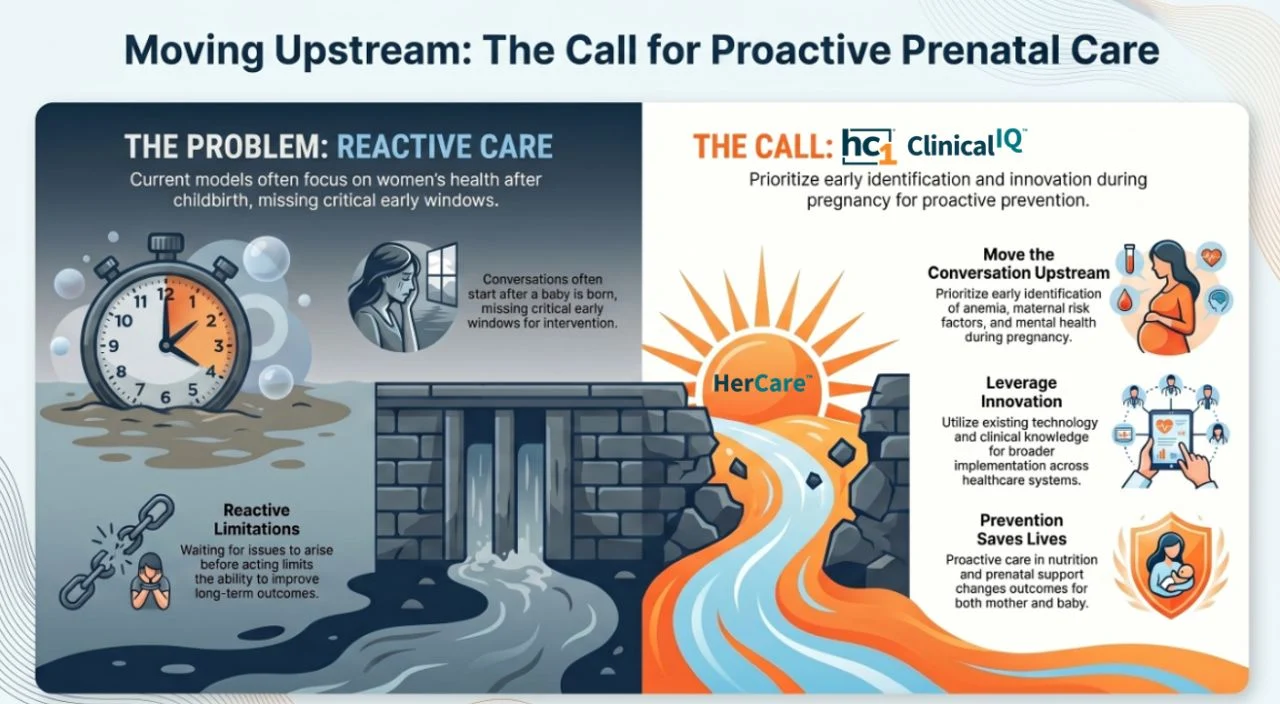
However, to truly improve outcomes for women, the conversation must begin during prenatal care, not just after a baby is born.
Early identification of anemia, maternal risk factors, access to care, mental health support, nutrition, and proactive intervention during pregnancy can positively impact both mother and baby.
We possess the technology, innovation, and clinical knowledge to effect change earlier; now we need broader implementation and prioritization across healthcare.
Women deserve proactive care, not reactive care. It is encouraging to witness women’s health finally receiving the attention it warrants. Let’s keep the conversation moving upstream, where prevention and early intervention can save lives.
Learn how we’re supporting earlier maternal risk detection.”
Other posts featuring Melissa Hollo on Hemostasis Today.
-
Oct 12, 2026, 13:58Francisco Chacón-Lozsán: Catastrophic Antiphospholipid Syndrome A Rapidly Progressive Multiorgan Thrombotic Emergency
-
Oct 12, 2026, 12:50Nawsherwan Mohammad: Study Examines Thrombotic Events in Patients with Polycythemia Vera in Iraq
-
Oct 12, 2026, 12:30Chanakya Nayudu: Looking Beyond Blood Clots – Patient-Reported Outcomes in Antiphospholipid Syndrome
-
Oct 12, 2026, 12:12Jean-Jacques Kiladjian: Improving Treatment Strategies with JAK Inhibitors in Myelofibrosis
-
Oct 12, 2026, 12:04Chloe Homich: AABB Annual Meetings – Building Connections and Advancing Transfusion Medicine
-
Oct 12, 2026, 11:51Daniel Sop: Sickle Cell Research Takes Center Stage at ASCAT 2026
-
Oct 12, 2026, 10:36PAI-1 Inhibition as a New Strategy for Enhancing Fibrinolysis and Clot Resolution
-
Oct 12, 2026, 07:39Emmanuel J Favaloro: 100 Years of von Willebrand Disease and the Importance of Local Diagnosis and Management
-
Oct 12, 2026, 07:39Post-Stroke Fatigue Trajectories – 38% Recovered at 12 Months, While 16% Developed New Fatigue – International Journal of Stroke