

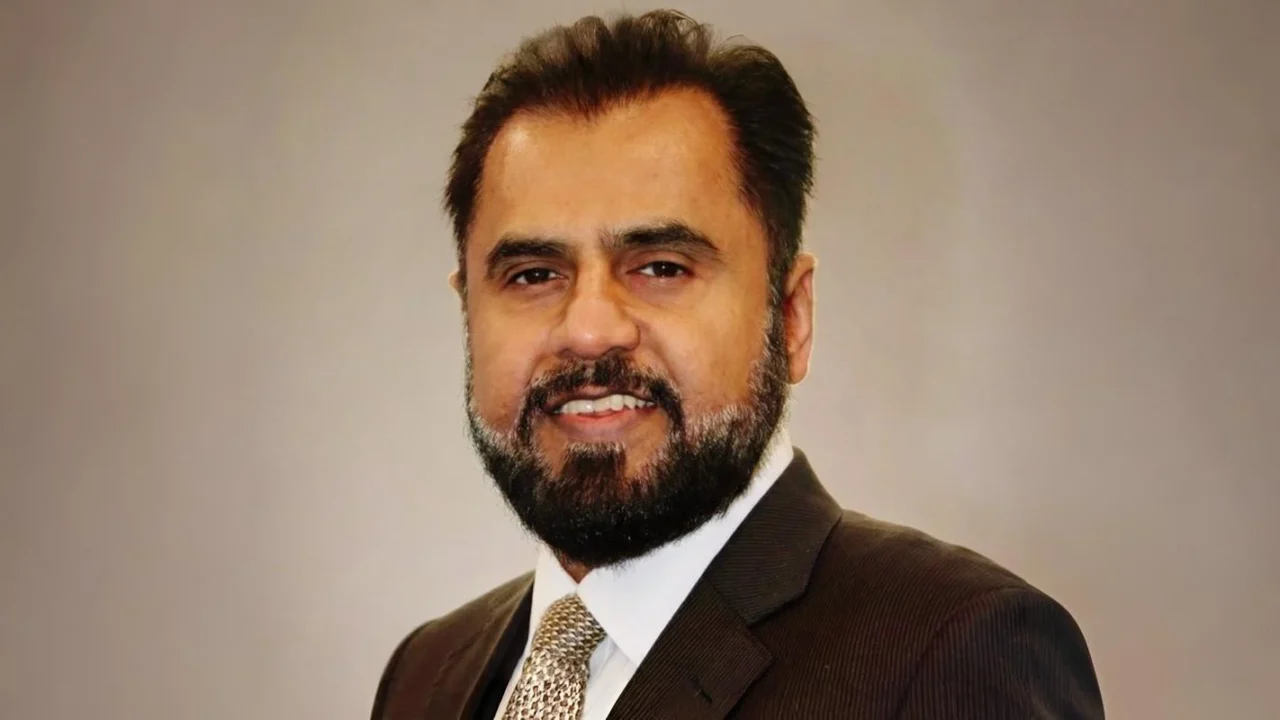
Abdul Mannan: The Moral Injury of Practising Haemato-Oncology in a Resource-Limited Setting
Abdul Mannan, Consultant Haematologist at Betsi Cadwaladr University Health Board, shared a post on LinkedIn:
” ‘Nobody talks about what it costs the doctor. Not financially. Emotionally.’
They know the ideal treatment. They also know the patient can’t afford it.
They walk into that consultation room anyway.
This is what practising haema-oncology in a resource-limited setting actually looks like.
Three burdens carried at once.
The medical burden. Diagnosing a complex, potentially treatable disease. The financial burden. Securing tests, drugs, basic support. The emotional burden. Explaining that effective treatment exists, but remains out of reach.
That last one leaves the deepest mark.
We call this moral injury. It is not burnout. It is something more specific. The distress of knowing exactly what should be done, then watching financial barriers, drug shortages, and systemic gaps make it impossible.
Many consultants carry grief.Frustration.Helplessness. Sometimes guilt, for a system they did not create and cannot fix alone.
But they still show up.
They offer honest counselling. Symptom control.Transfusion support when possible.Infection management. Whatever chemotherapy can be accessed. And compassionate palliative care when cure is not an option.
There is a quiet promise in that kind of medicine.’We know what the ideal treatment would be. We will not abandon you, even if the full treatment is not possible.’
That promise matters more than we realise.
Feeling pain in these situations is not weakness.
It is evidence that you have not lost your humanity.
To every doctor who keeps showing up when the system falls short. This one is for you.
What keeps you going?”

Find more posts from Abdul Mannan on Hemostasis Today.
-
Oct 20, 2026, 01:43Oliver Weingärtner: Deprescribing of Lipid Lowering Drug after MI is Associated with Cardiovascular Events
-
Oct 19, 2026, 19:44Where You Live Should not Determine Whether You Receive Care – World Federation of Hemophilia
-
Oct 19, 2026, 19:42Belen Bianco: Prevention, Early Suspicion and an Interdisciplinary Approach Save Lives
-
Oct 19, 2026, 19:40Christina Chrysohoou: Catheter-Based LAAC vs OAC for Stroke Prevention in Atrial Fibrillation
-
Oct 19, 2026, 19:38Matthew Flick: A Two-Day Research Meeting on Fibrinogen, Hemostasis and Thrombosis
-
Oct 19, 2026, 19:37Hayat Saeed: Excited to Share Our Publication on the FGL1–Hepcidin Axis in Iron Homeostasis and Disease
-
Oct 19, 2026, 19:08IPAW 2026 Comes to a Close, but the Work Continues – PPTA
-
Oct 19, 2026, 17:44Paul Riley: Moderating a Webinar on Anticoagulation Monitoring
-
Oct 19, 2026, 16:36Christopher Pittman: Blood Clot Prevention Cannot End at Hospital Discharge