

Severiano Dos Anjos Vilaboa: The Search for the Optimal PRP Strategy
Severiano Dos Anjos Vilaboa, PhD Cell Biologist, Laboratory Director at VIDACORD, shared a post on LinkedIn:
“Over the last few years, platelet dose has become one of the most debated topics in PRP research.
Some authors have gone as far as suggesting that approximately 10 billion platelets or even more may represent the ‘correct dose’ for achieving long-term clinical efficacy.
After reviewing very carefully the original data from several key studies, I am not convinced the answer is that simple…
Let’s compare two frequently cited trials (RCTs):
Bansal et al. (2021)
- 84 percent Kellgren-Lawrence grade III OA
- PRP dose: 10.45 billion platelets
Patel et al. (2024)
- 80 percent Kellgren-Lawrence grade II OA
- PRP dose: 2.82-5.65 billion platelets
At first glance, the discussion usually focuses on platelet dose.
But look at the patient populations and baseline characteristics below:
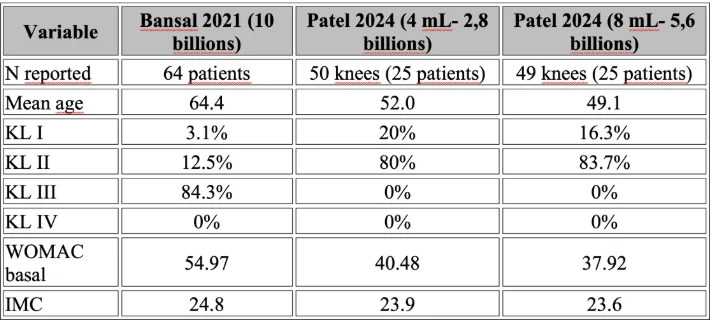
Extracted from both articles
One study treated predominantly KL III patients with substantially worse baseline symptoms, while the other focused on much younger patients with earlier disease stage.
These are not the same clinical phenotype.
This raises an uncomfortable question:
Are we sure we are measuring the effect of dose… and not the effect of patient selection?
Even more interesting, the study by Bansal and collaborators is often cited as evidence that 10 billion platelets are ‘critical’ for long-term efficacy.
However, when examining the WOMAC and IKDC curves, a different picture emerges.
The clinical response peaks during the first months after injection and progressively declines thereafter.
At 12 months, patients remain ‘statistically’ better than the HA group, but much of the initial improvement has been lost almost completely (compared to baseline).
See below.
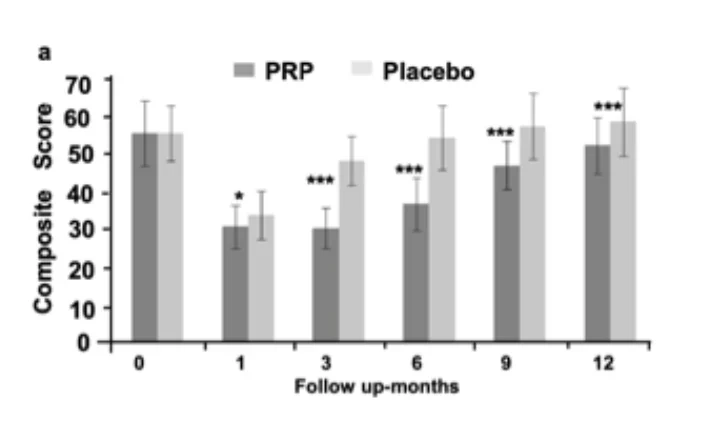
Figure 2a, Bansal et al., 2021 Scientific Reports
This does not necessarily invalidate the treatment.
But it certainly challenges the narrative that a single injection containing 10 billion platelets provides a durable long-term solution.
Are they really reaching MCID after 12 months?
Perhaps the real question is not:
‘What is the optimal platelet dose?’
But rather:
‘What is the optimal platelet dose for a specific patient phenotype, disease stage, PRP composition and treatment strategy?’
According to Patel’s study and reported data on 2024, a dose of 5 billion platelets demonstrates some clinical benefit (much better on pain subscales), at least up to 6 months and for knee OA grade II relatively young patients…
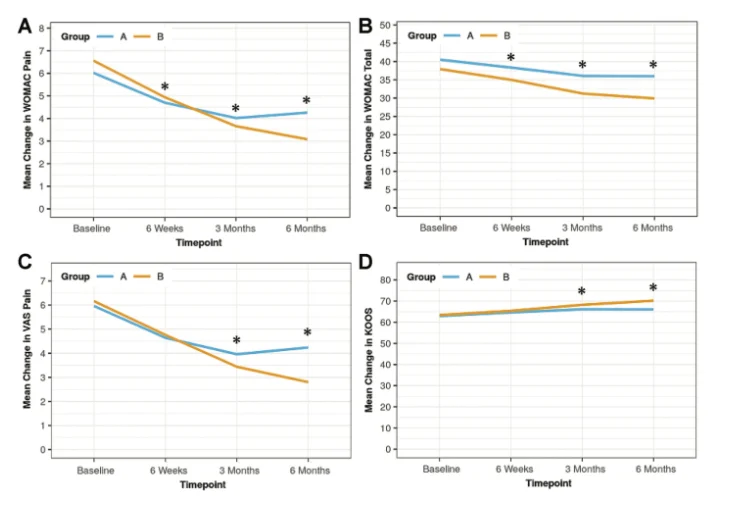
Figure 3, Patel et al., 2024 Orthopaedic Journal of Sports Medicine
In my opinion, and i am just trying to understand and interpret the published literature, platelet dose is only one variable among many:
- OA severity
- Baseline PROMs
- Age
- Number of injections
- Injection route Leukocyte content and specific types
- Red blood cell contamination
- PRP volume
- Follow-up duration
As our field matures, I believe that we really need to move beyond simplistic dose-based conclusions and start analysing PRP as the complex biological therapy that it actually is.
What is your view?
Do you believe the platelet dose is the key determinant of efficacy, or are we still underestimating the importance of patient phenotype and PRP full formulation?
Should the dose be tailored according to disease stage and injection route?
Disclaimer: I have no doubt that platelet dose matters… but it is only one piece of a much larger puzzle.
Sources:
- Comparison of Conventional Dose Versus Superdose Platelet-Rich Plasma for Knee Osteoarthritis: A Prospective, Triple-Blind, Randomized Clinical Trial
- Platelet-rich plasma (PRP) in osteoarthritis (OA) knee: Correct dose critical for long term clinical efficacy“
Jaime Rivas Méndez, International Business Advisor PRGF-Endoret at BTI Biotechnology Institute, shared Severiano Dos Anjos Vilaboa’s post on LinkedIn:
“Patel’s study does not compare concentrations, it compares volumes.
Both PRPs have the same concentration; What changes is that they infiltrate double the volume, and therefore double the total platelets.
Clinical benefit may be due to volume, not concentration.
They forget about a lot of variables associated with volume (synovial distribution, larger contact surface, mechanical effect…).
The study does not compare concentrations; the concentration is the same.
The study focuses on the absolute number of platelets but overlooks the infiltrated volume, which is, arguably, the reason why the 8ml group performed better.
Volume matters.”
Stay updated with Hemostasis Today.
-
Sep 29, 2026, 19:00Caitlin Raymond: Can Artificial Blood Solve Blood Supply Shortages?
-
Sep 29, 2026, 18:51Chaza Alaji: Dyslipidemia, Thrombosis and the DIC Diagnostic Trap
-
Sep 29, 2026, 17:31Rajnikant Patel: Bridging Ayurvedic Concepts and Modern Toxin-Mediated Disease
-
Sep 29, 2026, 17:13Nicholas Lang։ A Meaningful Case of Immune Thrombocytopenia
-
Sep 29, 2026, 16:55Ayatullah Gamal Wahab: When the CBC Lies
-
Sep 29, 2026, 16:35Jonathan Douxfils: Navigating the VTE Risk Continuum in Reproductive Medicine
-
Sep 29, 2026, 16:35Chaima Rajeh: Types of Anemia and Their Laboratory Features
-
Sep 29, 2026, 16:27Scott Isaacs: How GLP-1 RAs Target Systemic Inflammation to Drive Cardio, Autoimmune, and Gut Health
-
Sep 29, 2026, 16:21Yitshak Kreiss: From Treating Patients to Defining the Standard of Knowledge