


Omar Adwan: The Diagnostic Value of Schistocytes in Hemolytic Disorders
Omar Adwan, Medical Laboratory Technologist at Modawah Lab Center, shared a post on LinkedIn:
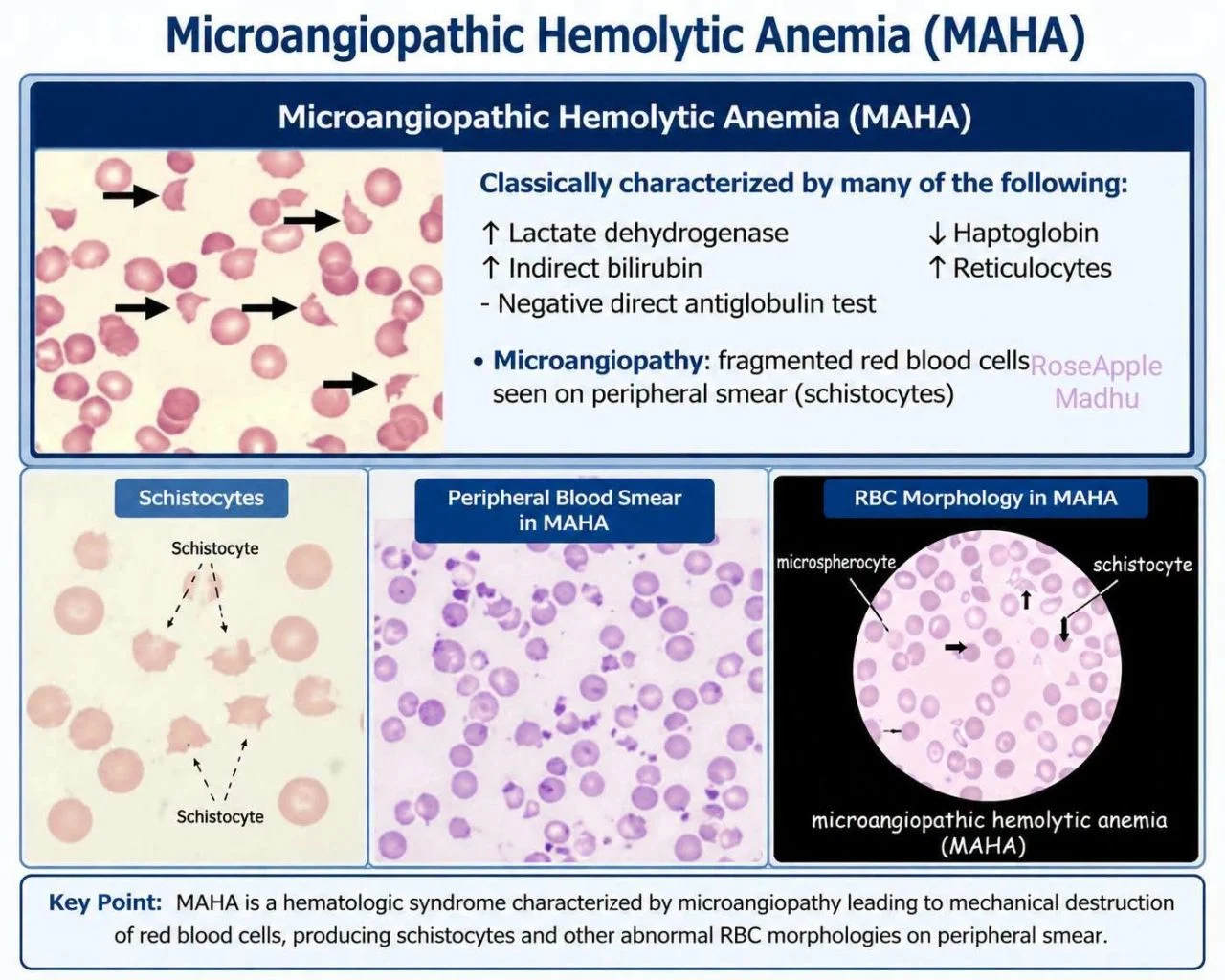
“Schistocyte
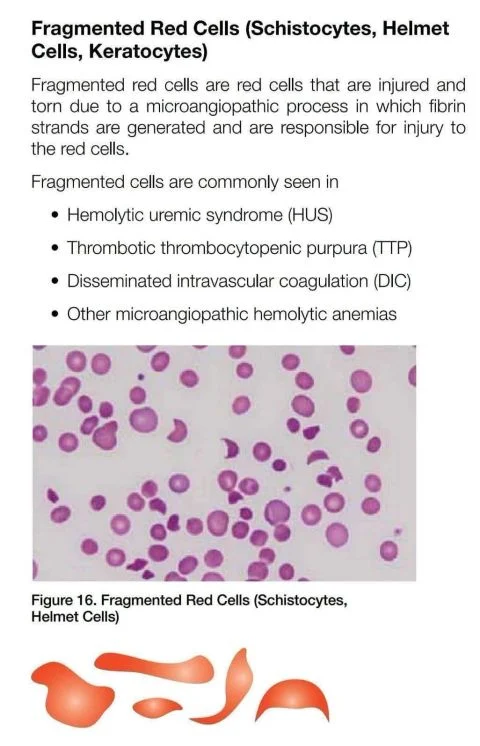
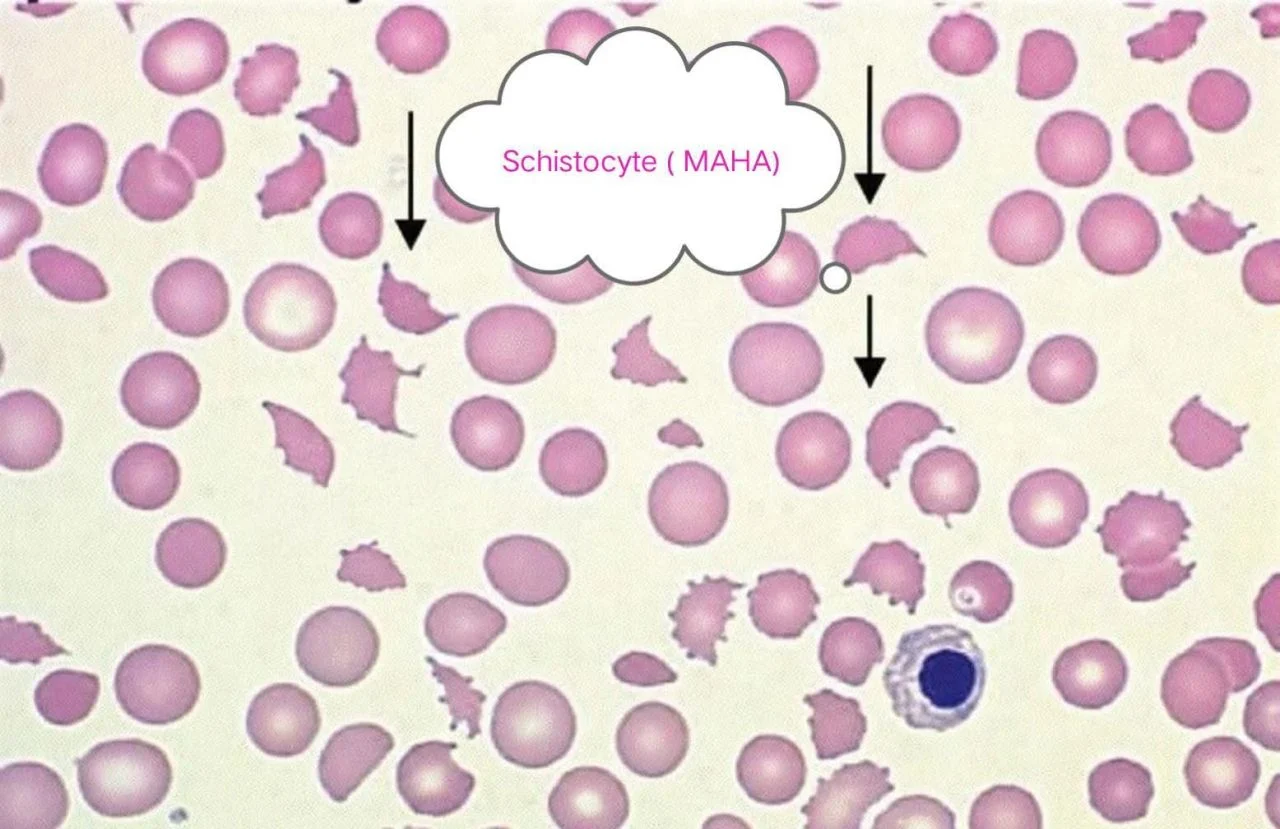
A schistocyte is a fragmented red blood cell that results from mechanical damage as it passes through abnormal or narrowed blood vessels, such as those with microthrombi or damaged endothelium.
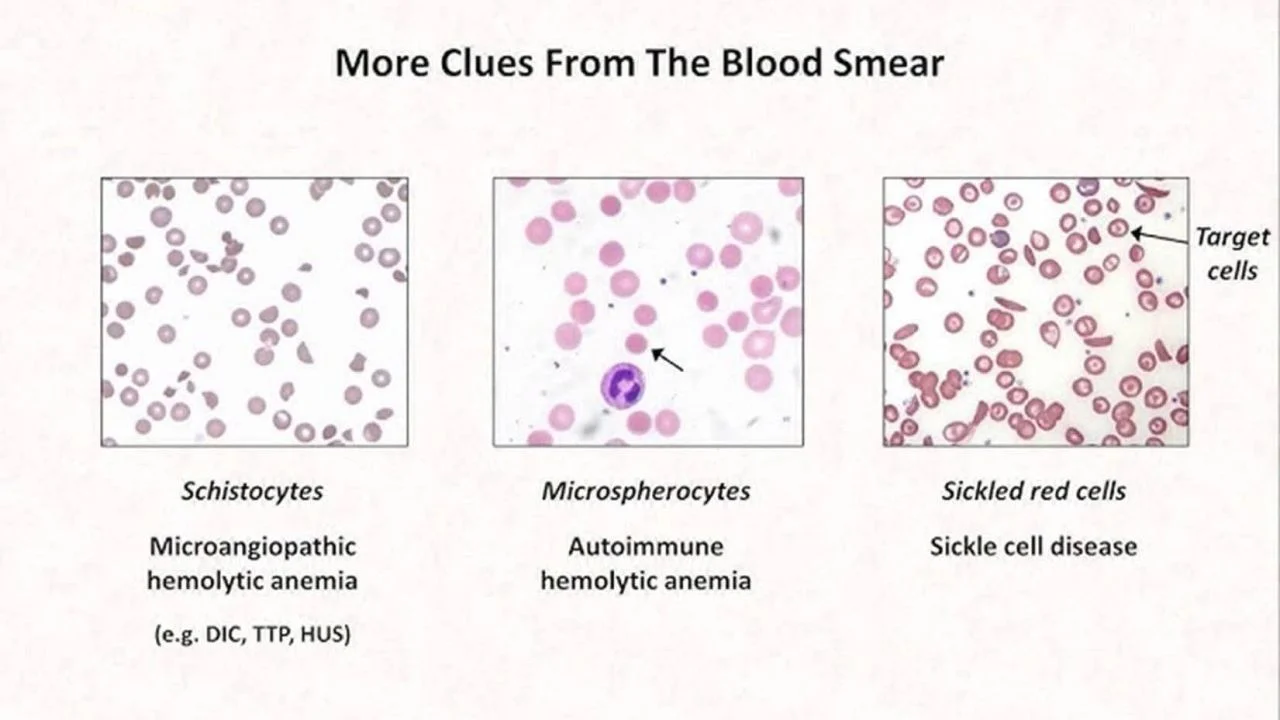
It is a key marker of Microangiopathic Hemolytic Anemia (MAHA), a condition where red blood cells are destroyed within the circulation.
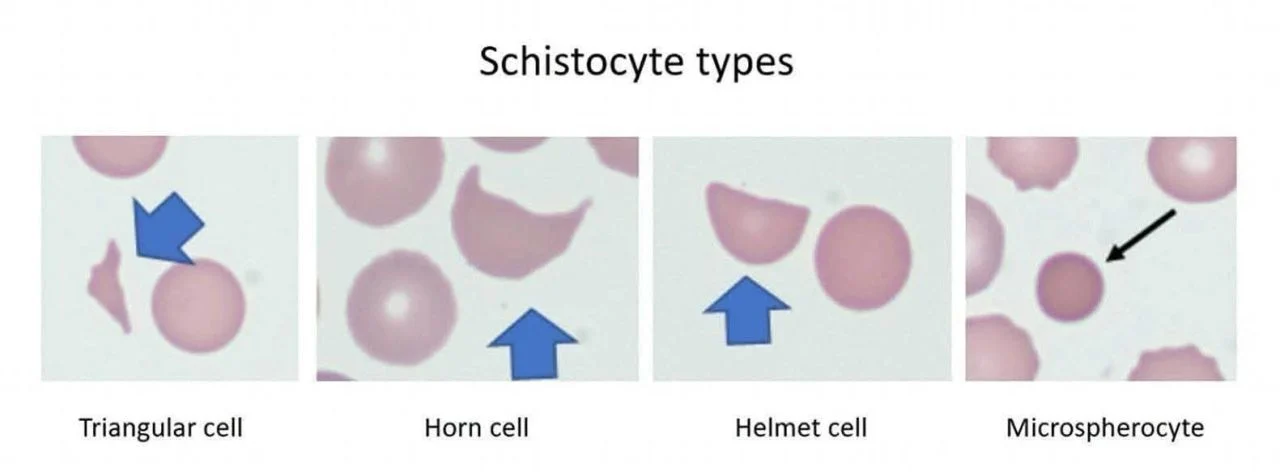
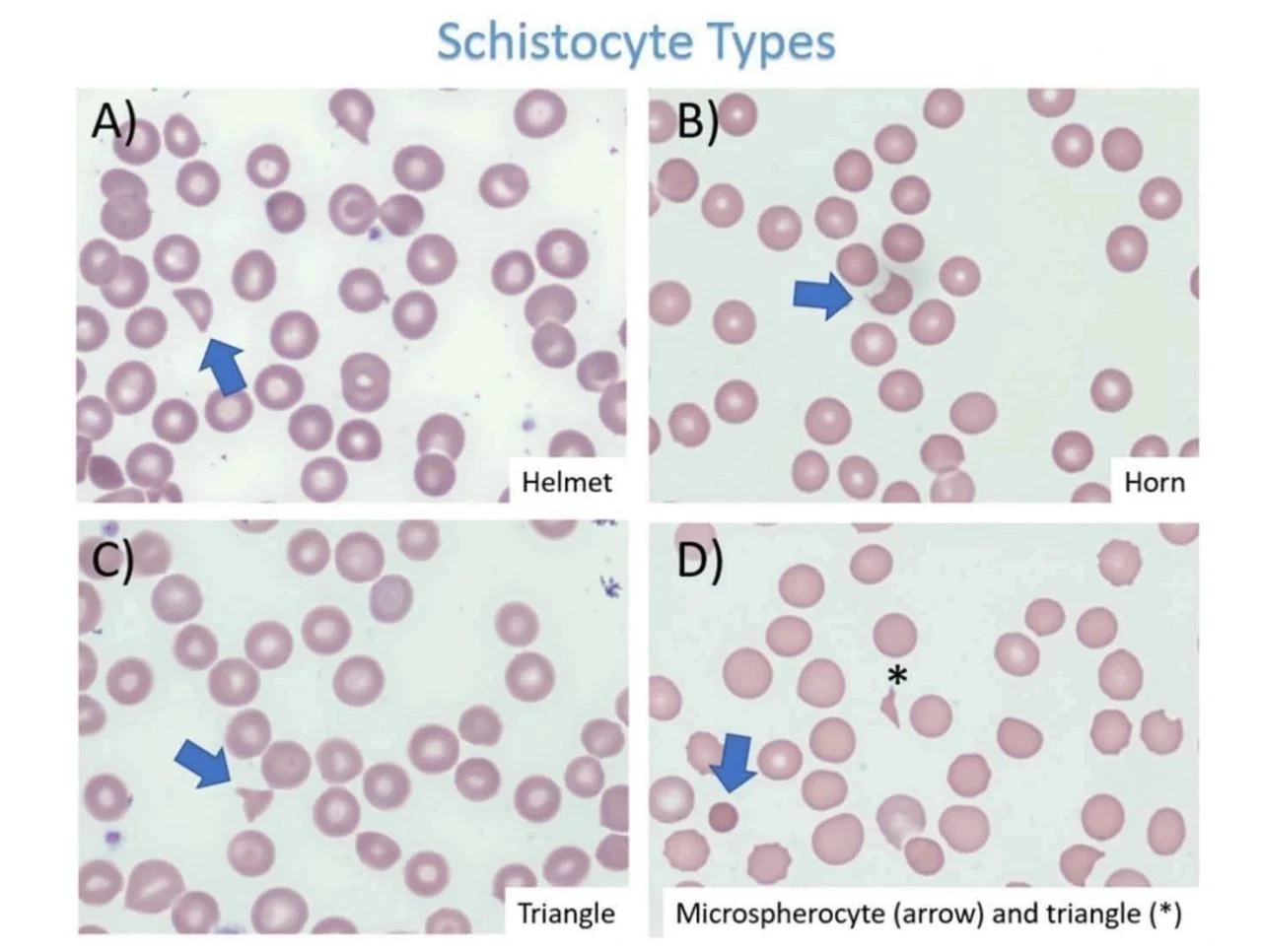
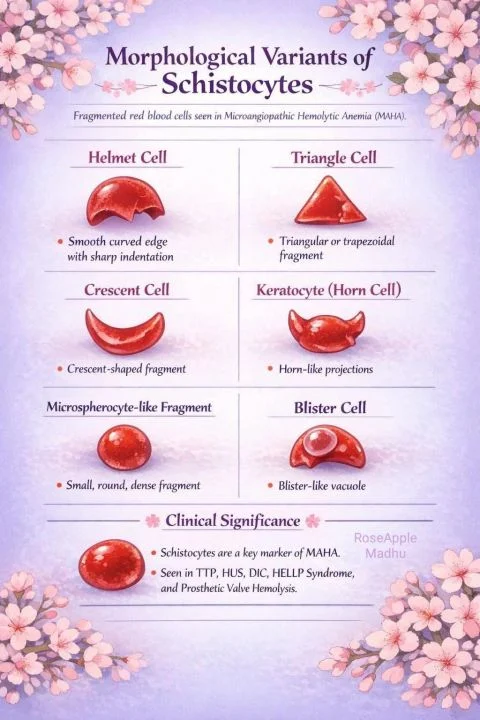
Morphological Variants of Schistocytes.
Helmet Cell
- Resembles a helmet with a smooth curved edge and a sharp indentation
- Formed when part of the cell is sheared off by fibrin strands
- Commonly seen in DIC, TTP, and HUS
Triangle Cell / Triangular Fragment
- Appears triangular, or sometimes trapezoidal
- Produced by fragmentation in multiple directions
- Reflects severe and irregular RBC destruction
Crescent Cell / Semilunar Cell
- Shaped like a crescent moon
- Usually found in cases of severe red cell fragmentation
Keratocyte (Horn Cell)
- Has horn-like or spiked projections
- Formed when a cell is pinched and torn, then re-fuses partially
- Seen in MAHA and sometimes in hemolysis caused by prosthetic heart valves
Micro spherocyte like Fragments
- Small, round RBC fragments without central pallor
- Resemble microspherocytes but result from fragmentation, not membrane loss
- Smaller and denser than normal RBCs
Blister Cell
- Shows a blister-like vacuole resembling an air bubble
- Considered a precursor stage before forming a bite cell or schistocyte
- Often seen in the early phase of mechanical RBC damage
Clinical Significance
The presence of schistocytes on a blood smear is an important hematologic emergency warning sign.
- If schistocytes are greater than 1 percent or present in large numbers, MAHA should be strongly suspected.
- Associated conditions include TTP, HUS, DIC, HELLP syndrome, and prosthetic heart valve–induced hemolysis.”
Other posts featuring Omar Adwan on Hemostasis Today.
-
Oct 1, 2026, 15:44A Century of Von Willebrand Disease Awareness – EHC
-
Oct 1, 2026, 15:31Andreas Calatzis: The Power of Teamwork in Postpartum Hemorrhage
-
Oct 1, 2026, 15:09Halimat Olaniyan: The Role of Transfusion Medicine in Sickle Cell Disease Care
-
Oct 1, 2026, 14:58Samir Kumar Beura: Modern Approaches to Platelet Structure and Function
-
Oct 1, 2026, 14:39Understanding the FDA Pathway for Hematology Product Development – American Society of Hematology
-
Oct 1, 2026, 13:56Ravi C Dara: Advancing Red Cell Exchange in Sickle Cell Disease
-
Oct 1, 2026, 13:50Mateo Marin-Cuartas: What Matters After Aortic Valve Replacement in Younger Patients?
-
Oct 1, 2026, 13:17Anirban Sen Gupta: Sharing Ideas, Advancing Biomedical Innovation
-
Oct 1, 2026, 13:01Michael Honigberg: Clonal Hematopoiesis as a Driver of Aortic Valve Calcification