

Daniel Ben-Mordechay: Portal Vein Thrombosis Every POCUS User Should Recognize
Daniel Ben-Mordechay, Chief Executive Officer at Orimed GTD, shared a post on LinkedIn:
”Portal Vein Thrombosis: A Diagnosis Every POCUS User Should Recognize
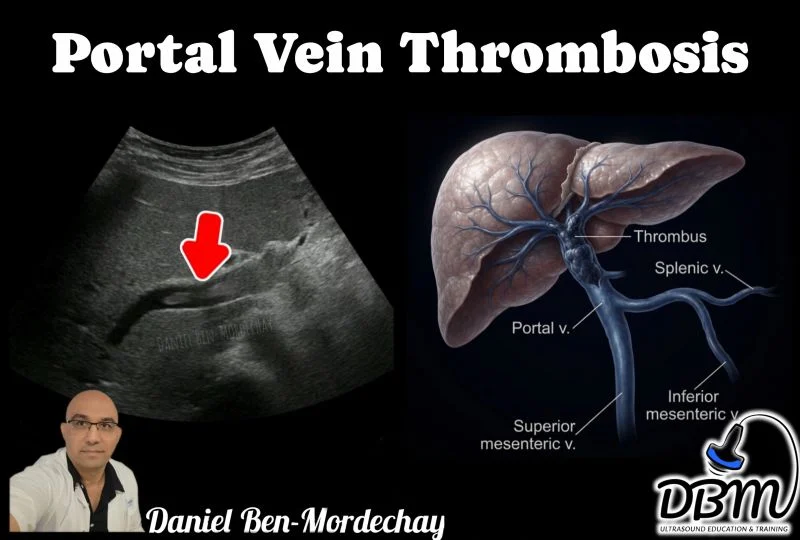
Portal vein thrombosis (PVT) is a potentially serious vascular condition that can compromise hepatic blood flow and lead to portal hypertension, intestinal ischemia, or progressive liver dysfunction if not recognized and managed promptly.
Ultrasound is often the first-line imaging modality and plays a pivotal role in the initial evaluation.
On B-mode ultrasound, the thrombus typically appears as echogenic material within the lumen of the portal vein. In acute cases, the thrombus may be hypoechoic, making it more difficult to detect. The vein may appear dilated, and the thrombus can partially or completely occlude the vessel.
Color Doppler is essential in the assessment of suspected PVT.
A thrombosed segment demonstrates absent or markedly reduced intraluminal flow, while Spectral Doppler confirms the loss or significant alteration of normal hepatopetal portal venous flow.
Common risk factors include:
- Liver cirrhosis.
- Hepatocellular carcinoma and other malignancies.
- Hypercoagulable disorders.
- Pancreatitis.
- Intra-abdominal infection or inflammation.
- Recent abdominal surgery or trauma.
POCUS can rapidly raise suspicion for portal vein thrombosis, particularly in patients with unexplained abdominal pain, signs of portal hypertension, or known risk factors. However, it is important to remember that POCUS is a screening tool. Suspected PVT should always be confirmed with a comprehensive Doppler examination and, when clinically indicated, contrast-enhanced CT or MRI.
Understanding the normal sonographic appearance of the portal vein is the foundation of diagnosis. Equally important is recognizing abnormal intraluminal echoes, absent Doppler flow, and associated secondary findings. Early detection can significantly influence patient management and improve clinical outcomes.
Have you encountered portal vein thrombosis during your ultrasound examinations? Share your experience and teaching tips in the comments.
Other posts featuring Daniel Ben-Mordechay on Hemostasis Today.
-
Oct 19, 2026, 07:36Johannes Kaesmacher: Cerebral No-Reflow After Thrombectomy Toward a Standardized Definition
-
Oct 19, 2026, 07:33Beth Psaila: Highlights from IACH Annual Meeting and MPN Horizons
-
Oct 19, 2026, 07:29Wolfgang Miesbach: Can Losartan Activate Brown Fat? – Nature Study Explores New Therapeutic Link
-
Oct 19, 2026, 07:22Ruben Mesa: Honored to Speak at the Tandem MPN Meetings of IACH
-
Oct 19, 2026, 07:19Saneha Anjum Shaikh: Parul University Partners with Raktasevak Bike Ride 2026 for Blood Donation Drive
-
Oct 19, 2026, 07:09Alejandro González Veliz: No ST Elevation Does Not Guarantee an Open Coronary Artery
-
Oct 19, 2026, 06:02Thomas Dayspring: Vascular Resilience – What Is It and How Can We Measure It?
-
Oct 19, 2026, 05:53Kevon Dindial: Collaboration for Better Childhood Cancer Outcomes
-
Oct 19, 2026, 05:44Mavis Agnes Kisakye: Raising Awareness about Haemophilia and Other Blood Disorders at Luweero General Hospital