


Mili Jain: Understanding Microcytic Hypochromic Anemia
Mili Jain, Assistant Professor at Pacific Medical College and Hospital, shared a post on LinkedIn:
“Microcytic hypochromic anemia is an anemia characterized by:
- Microcytic: Red blood cells (RBCs) are smaller than normal (MCV less than 80 fL in adults).
- Hypochromic: RBCs have reduced hemoglobin, resulting in increased central pallor (MCH and MCHC are reduced).
Common causes (Mnemonic: TAILS)
- Thalassemia
- Anemia of chronic disease/inflammation (occasionally microcytic)
- Iron deficiency anemia (most common)
- Lead poisoning
- Sideroblastic anemia
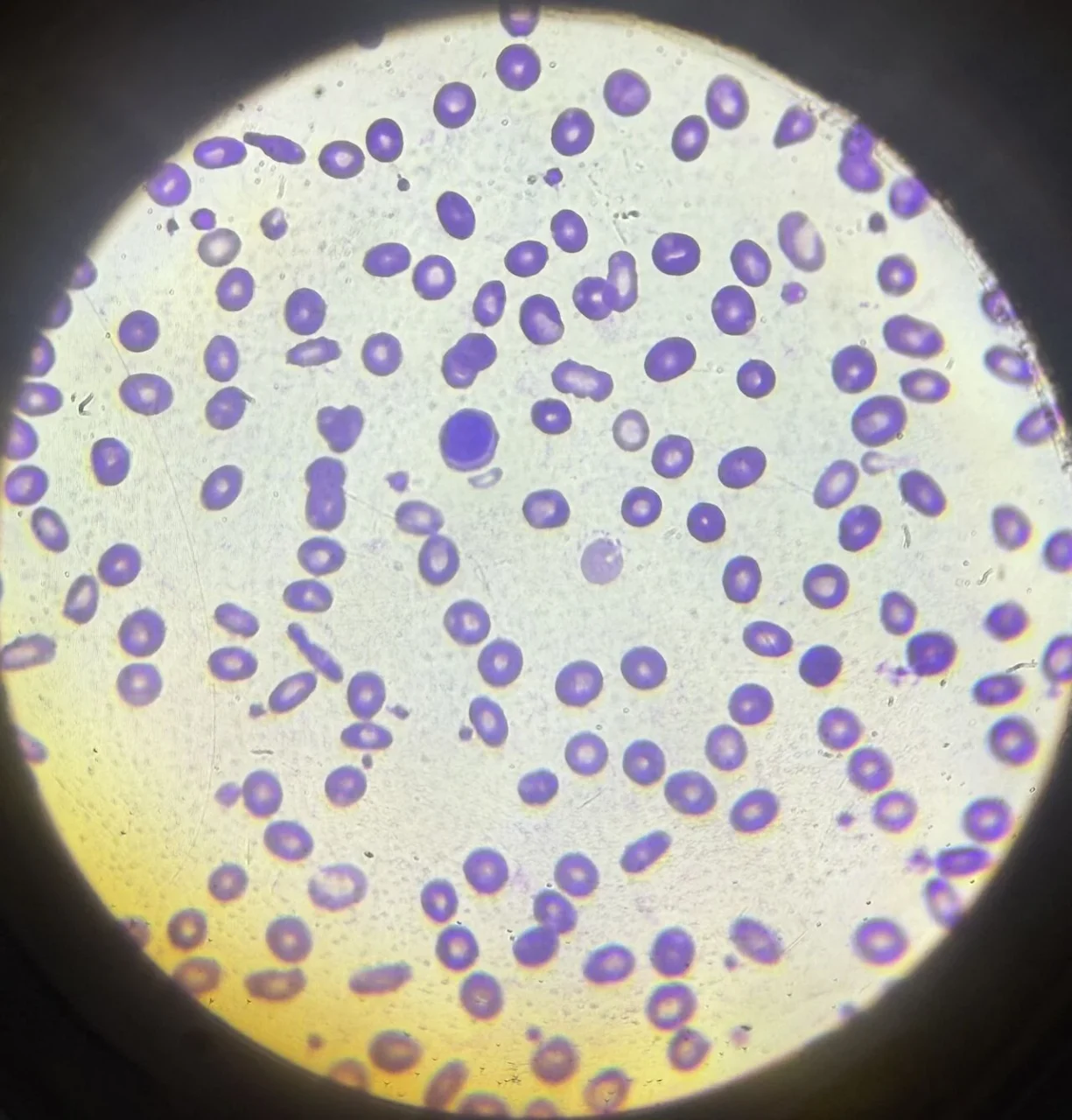
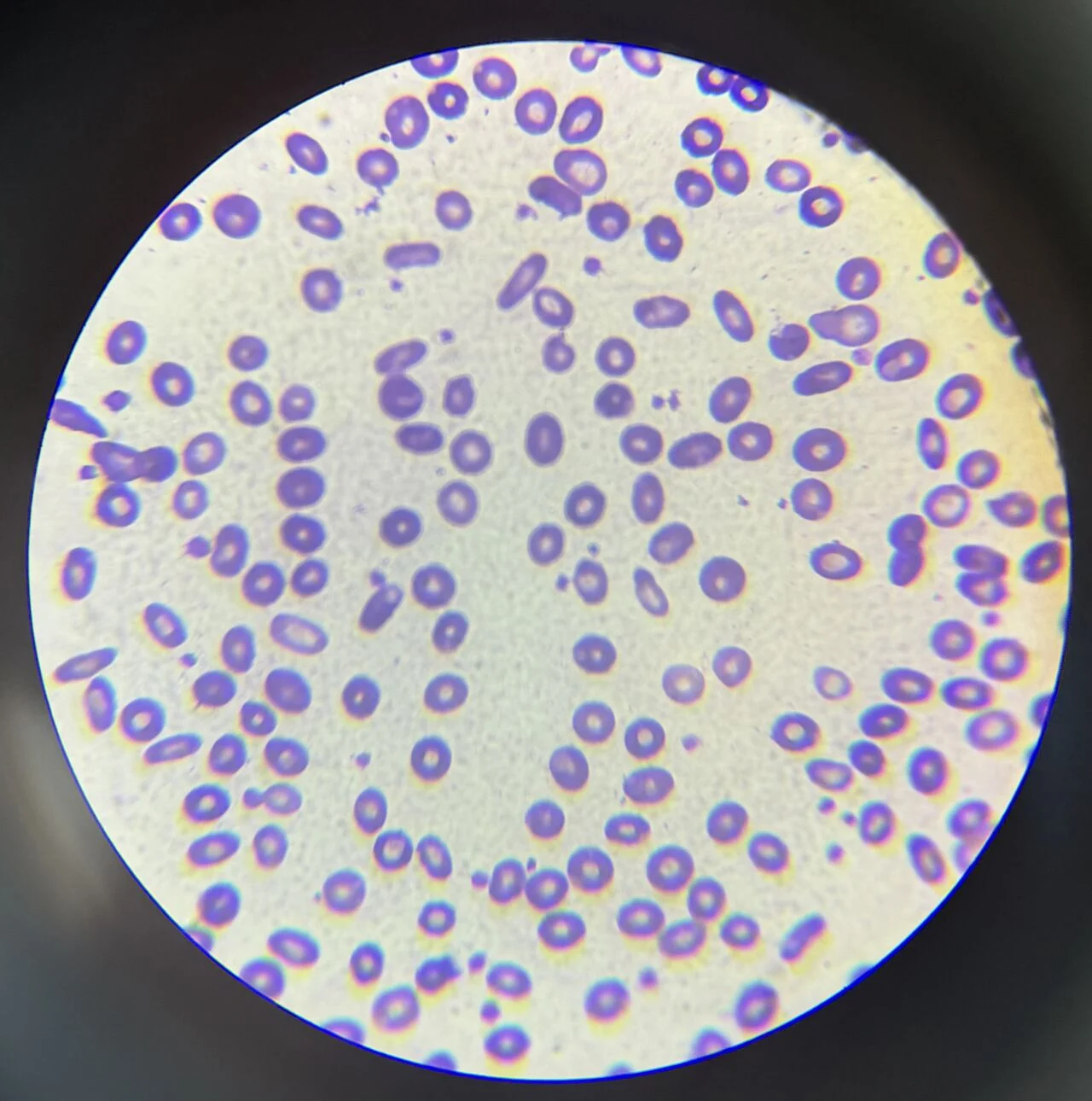
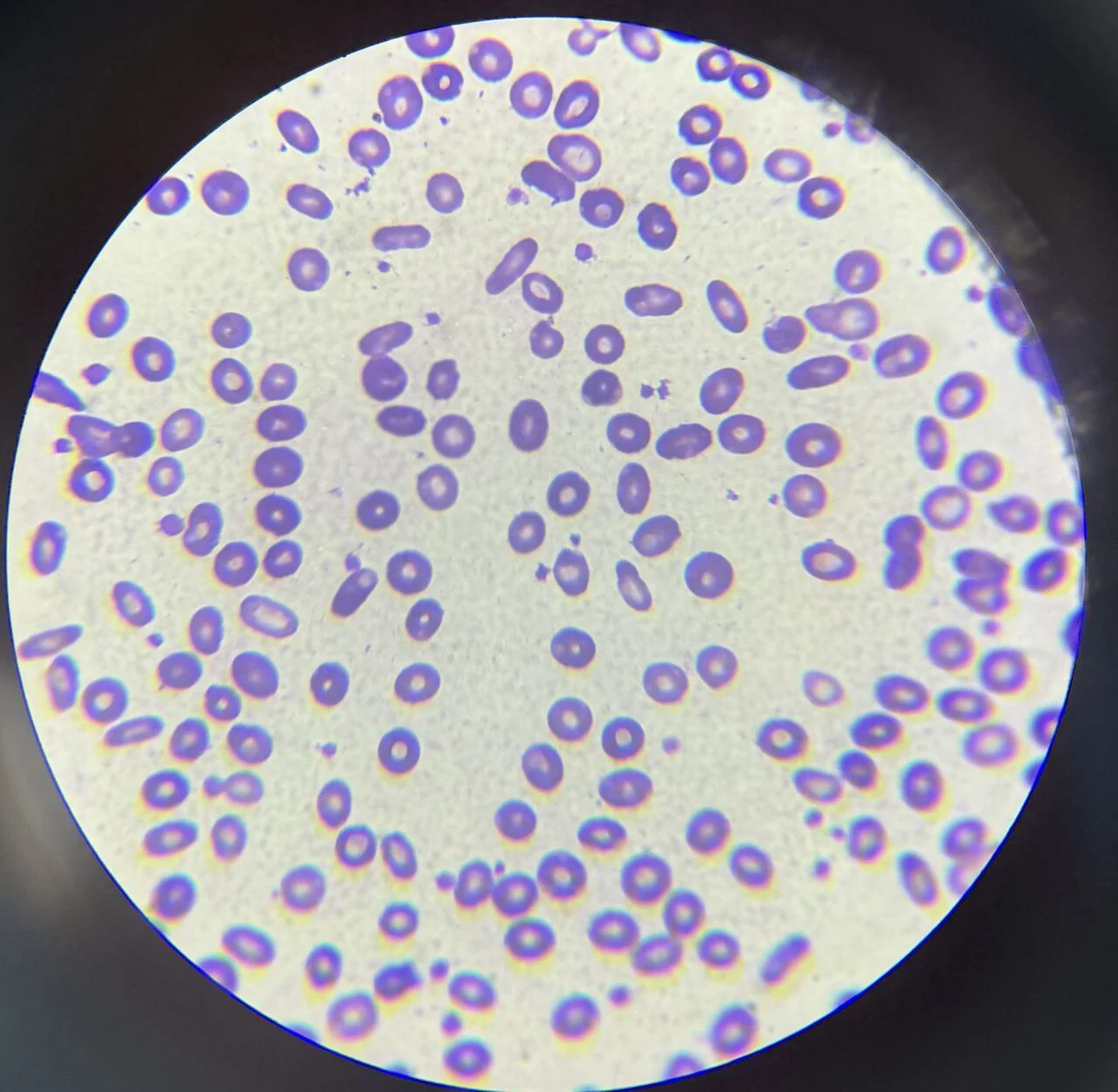
Peripheral blood smear findings
- Microcytosis
- Hypochromia
- Anisocytosis
- Poikilocytosis
- Pencil cells/elliptocytes (especially in iron deficiency)
- Target cells (common in thalassemia; may also be seen in iron deficiency)
- Basophilic stippling (lead poisoning, thalassemia, sideroblastic anemia)
Laboratory evaluation
- CBC: Low Hb, low MCV, low MCH
- RDW: Increased in iron deficiency; often normal in thalassemia trait
- Iron studies:
- Iron deficiency: Low Serum ferritin, Low serum iron, High TIBC, Low transferrin saturation
- Anemia of chronic disease: High/Normal ferritin, Low serum iron, Low/Normal TIBC
- Hemoglobin electrophoresis: For suspected thalassemia
- Bone marrow with Prussian blue stain: Ring sideroblasts in sideroblastic anemia (when indicated)
- Blood lead level: If lead poisoning is suspected
Reporting on peripheral blood smear A typical IDA report may read:
Peripheral blood smear shows microcytic hypochromic red cells with moderate to severe anisopoikilocytosis. Elliptocytes/ pencil cells are noted.
Leukocytes are unremarkable.
Platelets Normal or Raised.
This PBF findings are suggestive of microcytic hypochromic anemia, with iron deficiency anemia being the most likely etiology. Correlation with iron studies (especially serum ferritin) is recommended.
If target cells predominate with a relatively high RBC count, a comment suggesting thalassemia trait and recommending hemoglobin electrophoresis/HPLC would be appropriated.”
Stay updated with Hemostasis Today.
-
Sep 25, 2026, 10:49Shefina S: From Presenting to Hosting at TRANSCON 2026
-
Sep 25, 2026, 10:37Michelle Leona Cecil: Hemophilia Advocacy and the Power of Community
-
Sep 25, 2026, 10:13Michael Baria: Platelet Concentration and PRP Outcomes in Partial Rotator Cuff Tears
-
Sep 25, 2026, 09:49Haley Coleman: Volunteering to Support Hemophilia Awareness
-
Sep 25, 2026, 08:55Hitarth Mehta: BHMS Students Gain Practical Exposure to Haemophilia Diagnosis
-
Sep 25, 2026, 07:25Varun Capoor: How Therapeutic Apheresis and Transfusion Medicine Can Complement Clinical Management in SCD
-
Sep 25, 2026, 07:14Manshi Kesharwani: SAK-GQDs Modulate Thrombus Burden and Endothelial Function in Deep Vein Thrombosis
-
Sep 25, 2026, 06:20Farjah Hassan Algahtani: How Can We Better Identify Patients at Risk of Blood Clots after Metabolic and Bariatric Surgery?
-
Sep 25, 2026, 05:59Carla Lewis: Kids Conquering Sickle Disease Joins Nemours Children’s Hospital for 2nd Annual Awareness Event