


Mohammed Maher Babiker: When Anaemia and Thrombocytopenia Occur Together
Mohammed Maher Babiker, Former Vice Head of Department at AL Burgaig Teaching Hospital, shared a post on LinkedIn:
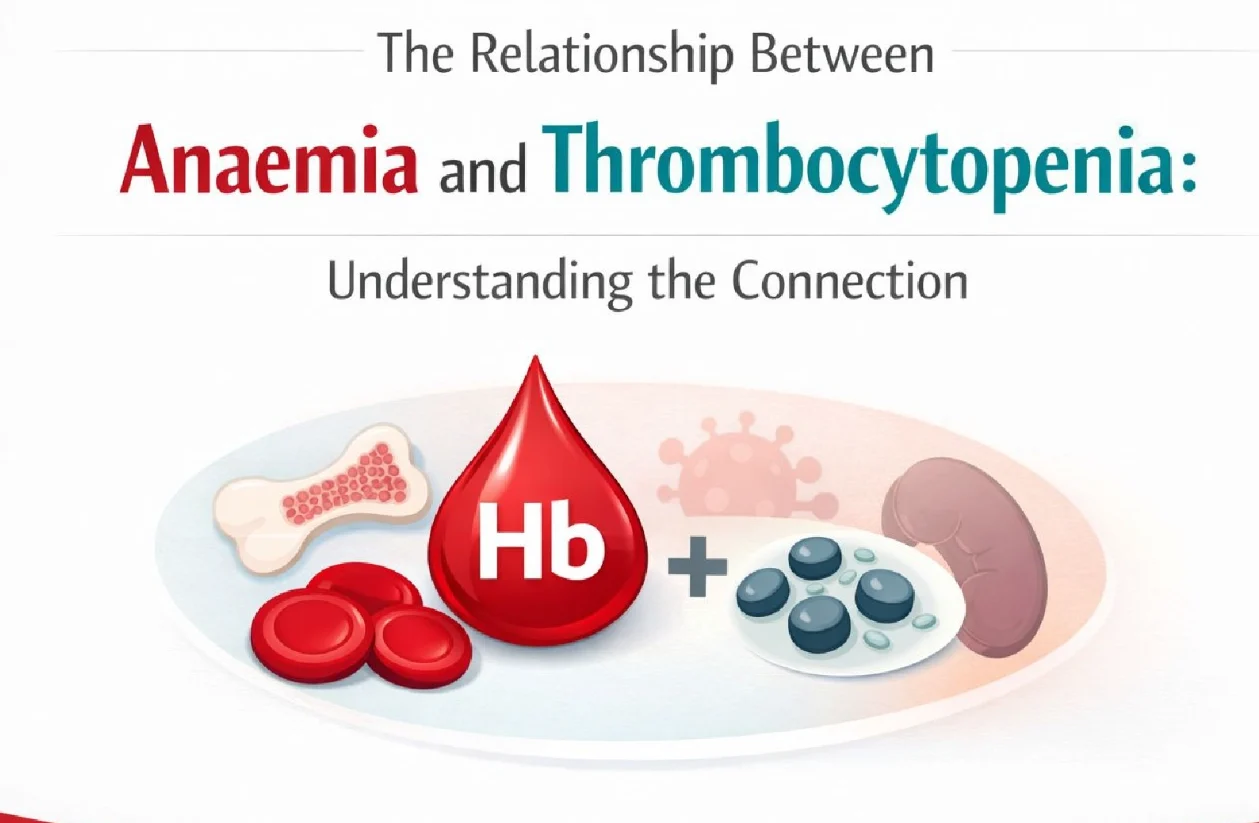
”The Relationship Between Anaemia and Thrombocytopenia: Understanding the Connection
Anaemia and thrombocytopenia are two hematological conditions that can occur simultaneously, often complicating diagnosis and treatment.
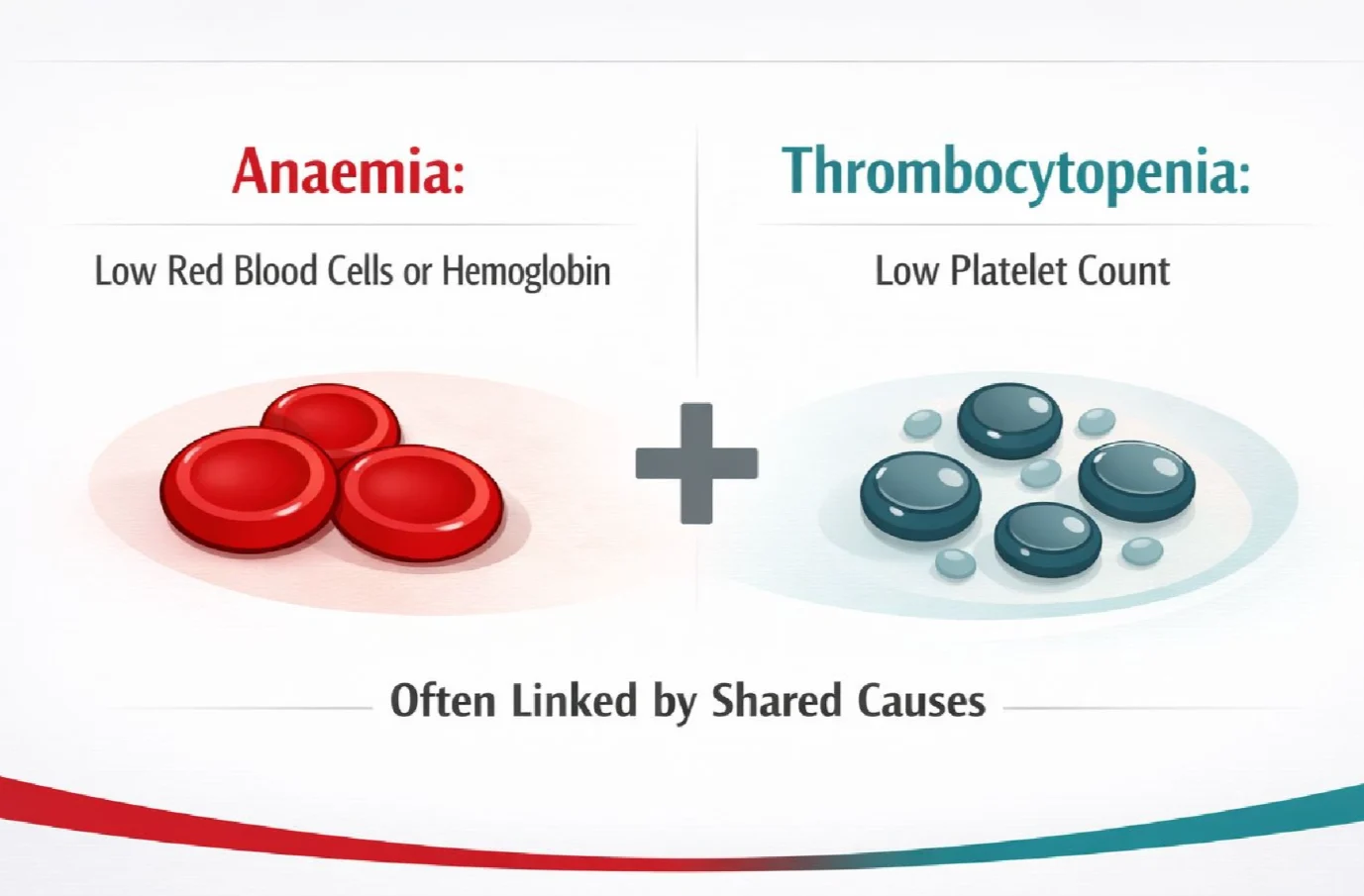
While they are distinct disorders—anaemia characterized by a deficiency of red blood cells or hemoglobin, and thrombocytopenia defined by a low platelet count—there are several underlying causes where both can manifest together.
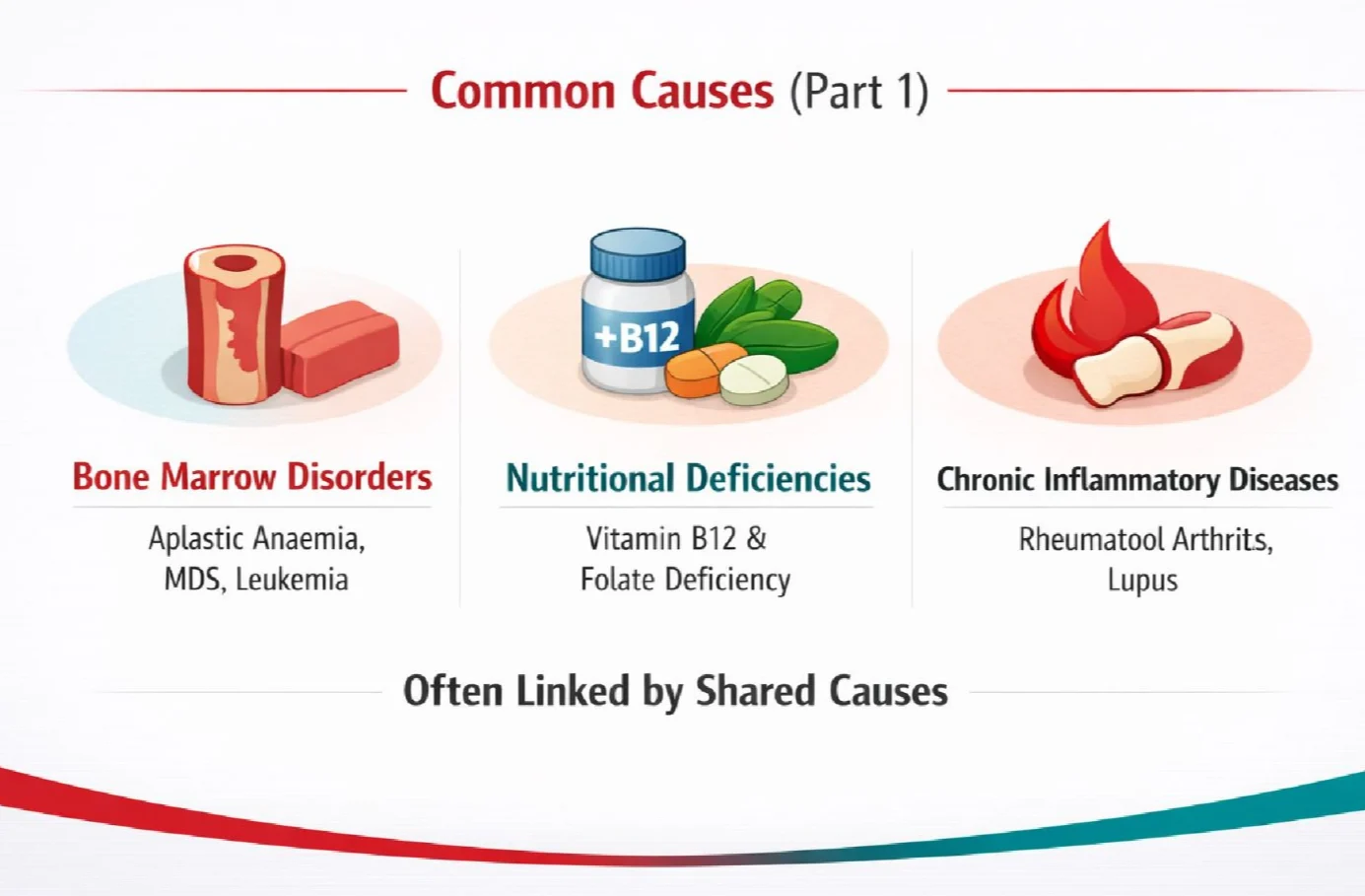
Common Causes of Anaemia with Thrombocytopenia
Bone Marrow Disorders:
Conditions such as aplastic anaemia, myelodysplastic syndromes, and leukemia can affect the bone marrow’s ability to produce red blood cells and platelets, leading to both anaemia and thrombocytopenia.
Nutritional
Deficiencies:
Severe deficiencies in vitamin B12 and folate can lead to megaloblastic anaemia, which may also be associated with low platelet counts.
This is due to impaired DNA synthesis affecting both red blood cell and platelet production.
Chronic Inflammatory Diseases:
Conditions like rheumatoid arthritis or systemic lupus erythematosus (SLE) can lead to anaemia of chronic disease, which may also be accompanied by thrombocytopenia due to immune-mediated destruction of platelets.
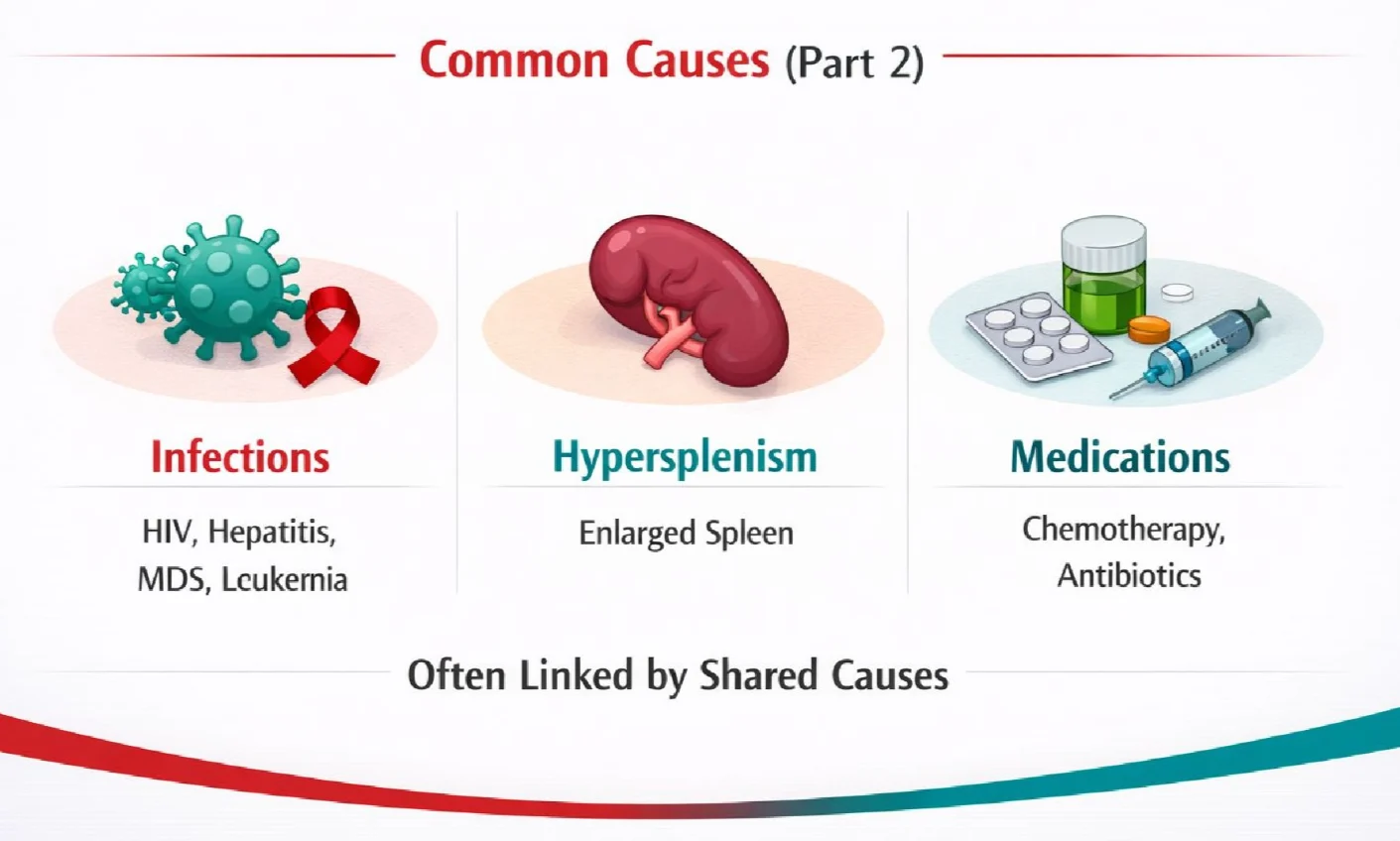
Infections:
Certain infections, such as viral infections (e.g., HIV, hepatitis, or Epstein-Barr virus), can lead to both anaemia and thrombocytopenia through direct bone marrow suppression or immune-mediated mechanisms.
Hypersplenism:
An enlarged spleen can sequester both red blood cells and platelets, leading to a reduction in their counts in the bloodstream.
Conditions causing splenomegaly, such as liver cirrhosis or certain malignancies, may result in this phenomenon.
Medications:
Some drugs can induce both anaemia and thrombocytopenia as side effects.
For example, certain chemotherapeutic agents and antibiotics can lead to bone marrow suppression.
Clinical Implications
The coexistence of anaemia and thrombocytopenia requires careful evaluation to identify the underlying cause.
Management strategies may vary significantly based on the etiology, making accurate diagnosis crucial for effective treatment.”
Stay updated with Hemostasis Today.

-
Sep 25, 2026, 13:32Gevorg Yaghjyan: Low Drug Levels, Higher Cardiovascular Risk in Lupus
-
Sep 25, 2026, 12:53Bastu Odoka: What Happened to Blood Donation?
-
Sep 25, 2026, 12:43Thomas Dayspring: Reshaping the Biology of Atherosclerotic Plaques with New Therapies
-
Sep 25, 2026, 12:14Garima Sharma: Community Clinical Linkages for Better Postpartum Cardiovascular Care
-
Sep 25, 2026, 10:49Shefina S: From Presenting to Hosting at TRANSCON 2026
-
Sep 25, 2026, 10:37Michelle Leona Cecil: Hemophilia Advocacy and the Power of Community
-
Sep 25, 2026, 10:13Michael Baria: Platelet Concentration and PRP Outcomes in Partial Rotator Cuff Tears
-
Sep 25, 2026, 09:49Haley Coleman: Volunteering to Support Hemophilia Awareness
-
Sep 25, 2026, 08:55Hitarth Mehta: BHMS Students Gain Practical Exposure to Haemophilia Diagnosis