

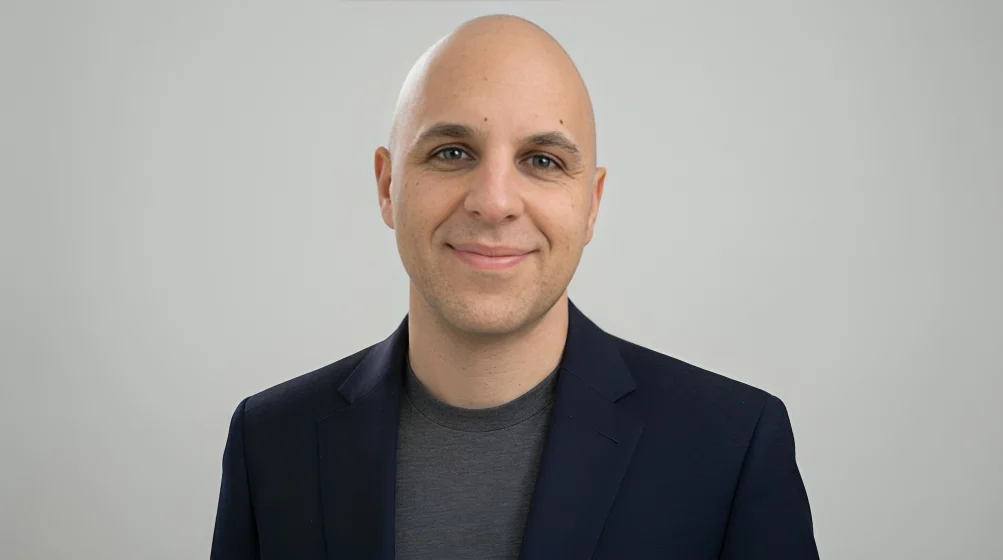
Ryan Noik: Transforming Coagulation Care Through Precision Diagnostics
Ryan Noik, Professional Storyteller at Future Frontiers, Managing Editor, Content Creator, shared a post on LinkedIn:
”One of the most fascinating, and hopeful, applications for technology in my mind is in the health and wellness space and particularly in biotechnology.
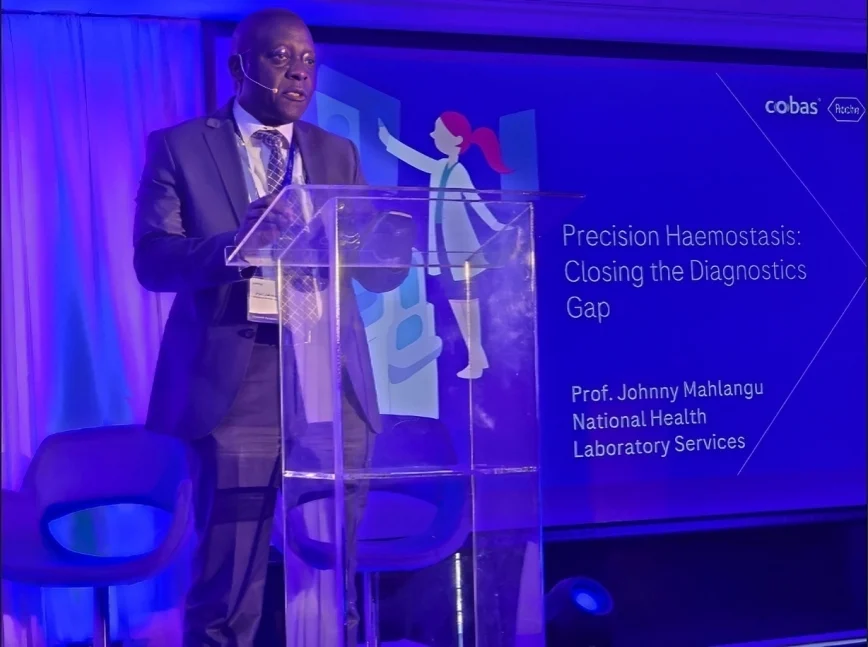
Recently, for example, Roche launched a new advance for laboratories to move the treatment of coagulation forward by being able to do more accurate diagnosis.
The ramifications are significant, with the keynote speaker Prof Johnny Mahlangu, explaining that imprecise diagnostics can result in therapies being misdosed, while clots can go untreated, leading to strokes and other, potentially fatal conditions.
The stat that stood out to me was that 75% of the world’s haemophilia patients go without a diagnosis, rendering them effectively invisible and untreated.
And, even more shocking, is that Sub Saharan South Africa has the lowest number of diagnosed haemophilia patients in the world, at just 11%.
Compare that to Western Europe and North America, which have 91% and 87% respectively, and it becomes pretty clear that so many more lives could be potentially saved on the continent with better diagnostics technology.
On the flip side, being able to do more precise diagnosis means that patients can receive precise, optimally effective medication for their condition, while blood clots can be diagnosed early on, before they becomes a catastrophic heart or brain bleed.
But it isn’t just haemophiliac patients who are affected by technological advances and better diagnostics.
It is also highly relevant to obsetrics or anyone who has an operation, and needs the right medication to ensure they clot properly.
My point is that I think often these stories, the real advances that are happening, that perhaps specialists are aware of but the rest of us are unaware of, are being made, and the impact on all of health outcomes is terrific.”
Stay updated with Hemostasis Today.
-
Oct 12, 2026, 17:53Donna Morelli: Hydroxyurea Safe and Effective for Pediatric Sickle Cell in Africa
-
Oct 12, 2026, 17:39Annie Bauzon: Differentiating Direct and Indirect Coombs Tests in Hematology
-
Oct 12, 2026, 17:15Cedric Hermans: Identifying and Diagnosing Hemophilia Carriers and Affected Females
-
Oct 12, 2026, 17:01Bianca Rocca: Evaluating Factor XI Inhibition Lessons from LIBREXIA-ACS
-
Oct 12, 2026, 13:58Francisco Chacón-Lozsán: Catastrophic Antiphospholipid Syndrome A Rapidly Progressive Multiorgan Thrombotic Emergency
-
Oct 12, 2026, 12:50Nawsherwan Mohammad: Study Examines Thrombotic Events in Patients with Polycythemia Vera in Iraq
-
Oct 12, 2026, 12:30Chanakya Nayudu: Looking Beyond Blood Clots – Patient-Reported Outcomes in Antiphospholipid Syndrome
-
Oct 12, 2026, 12:12Jean-Jacques Kiladjian: Improving Treatment Strategies with JAK Inhibitors in Myelofibrosis
-
Oct 12, 2026, 12:04Chloe Homich: AABB Annual Meetings – Building Connections and Advancing Transfusion Medicine