

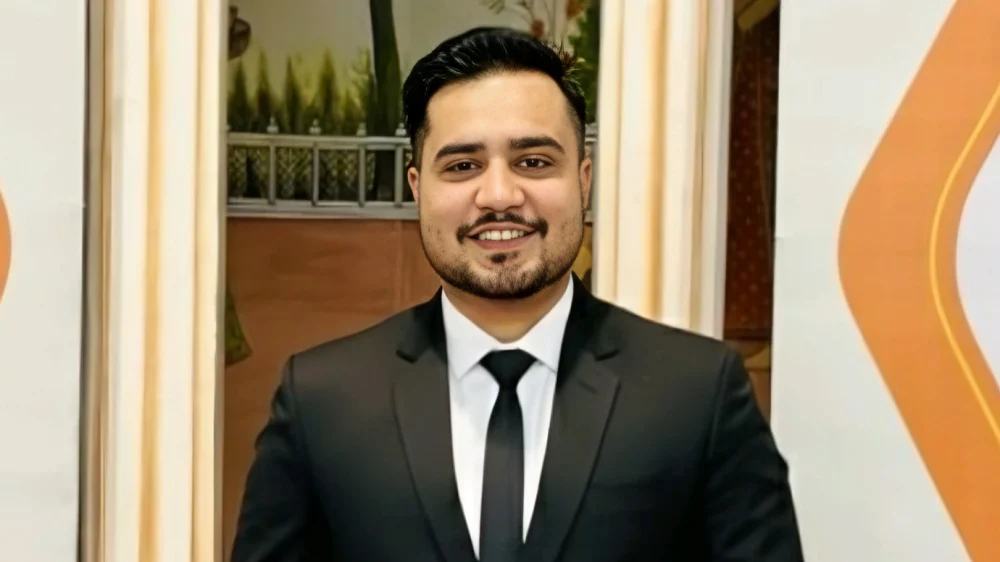
Neeraj Songara: Therapeutic Plasma Exchange in Severe Guillain–Barré Syndrome
Neeraj Songara Resident Doctor at Dr S.N. Medical College Jodhpur, shared a post on LinkedIn:
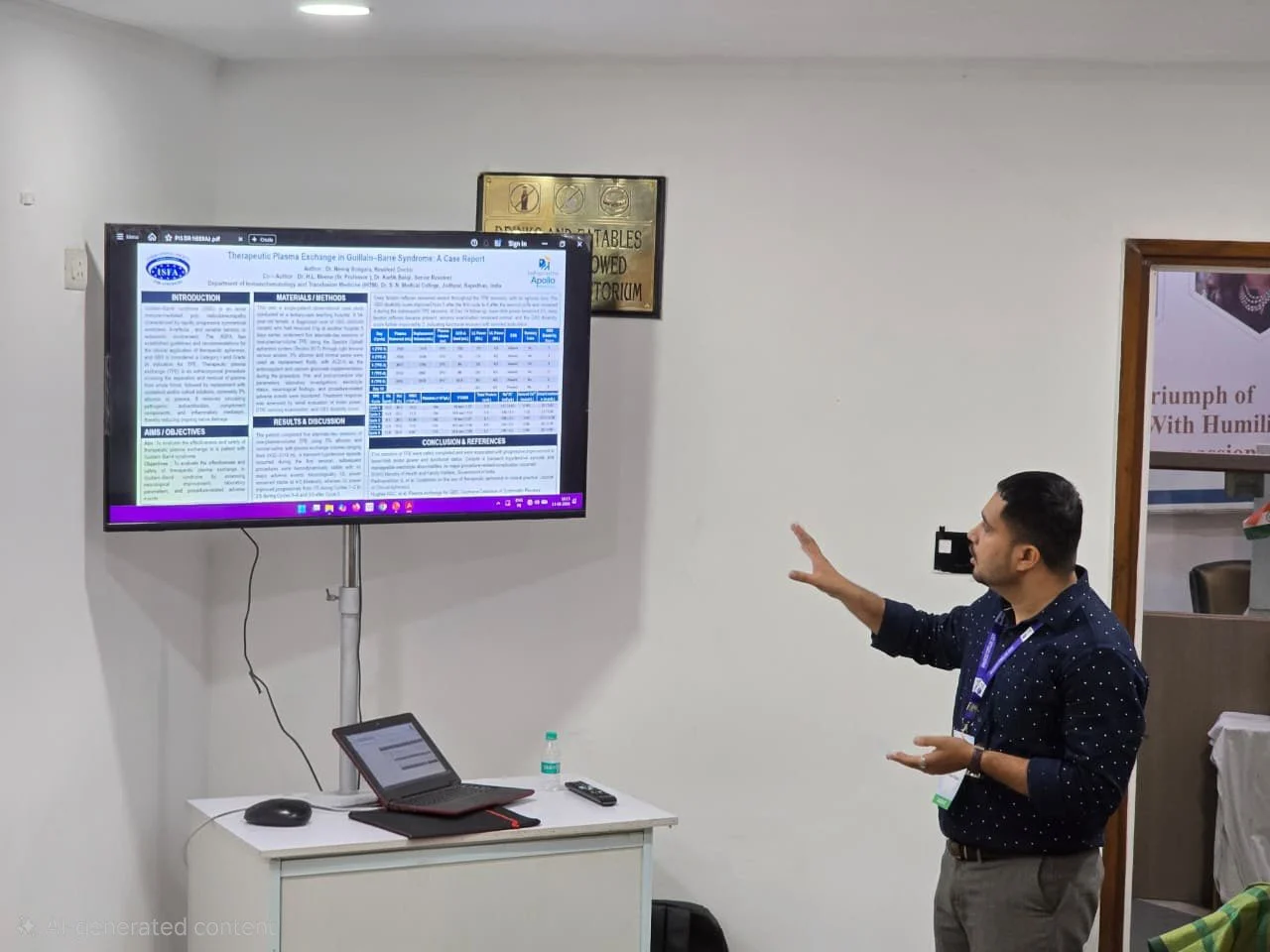
“Therapeutic Plasma Exchange in Guillain–Barré Syndrome (AMSAN Variant) — A Case Experience
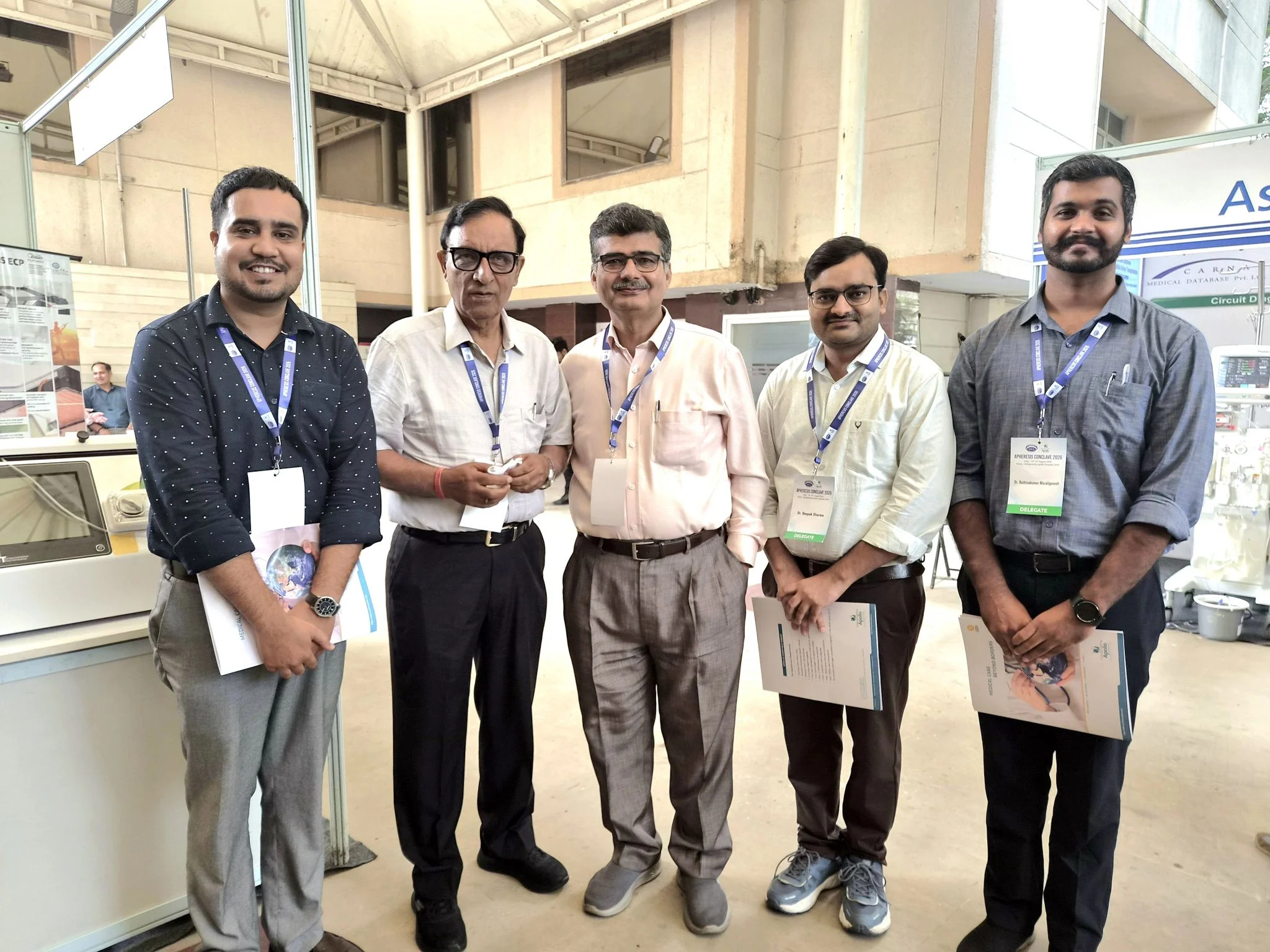
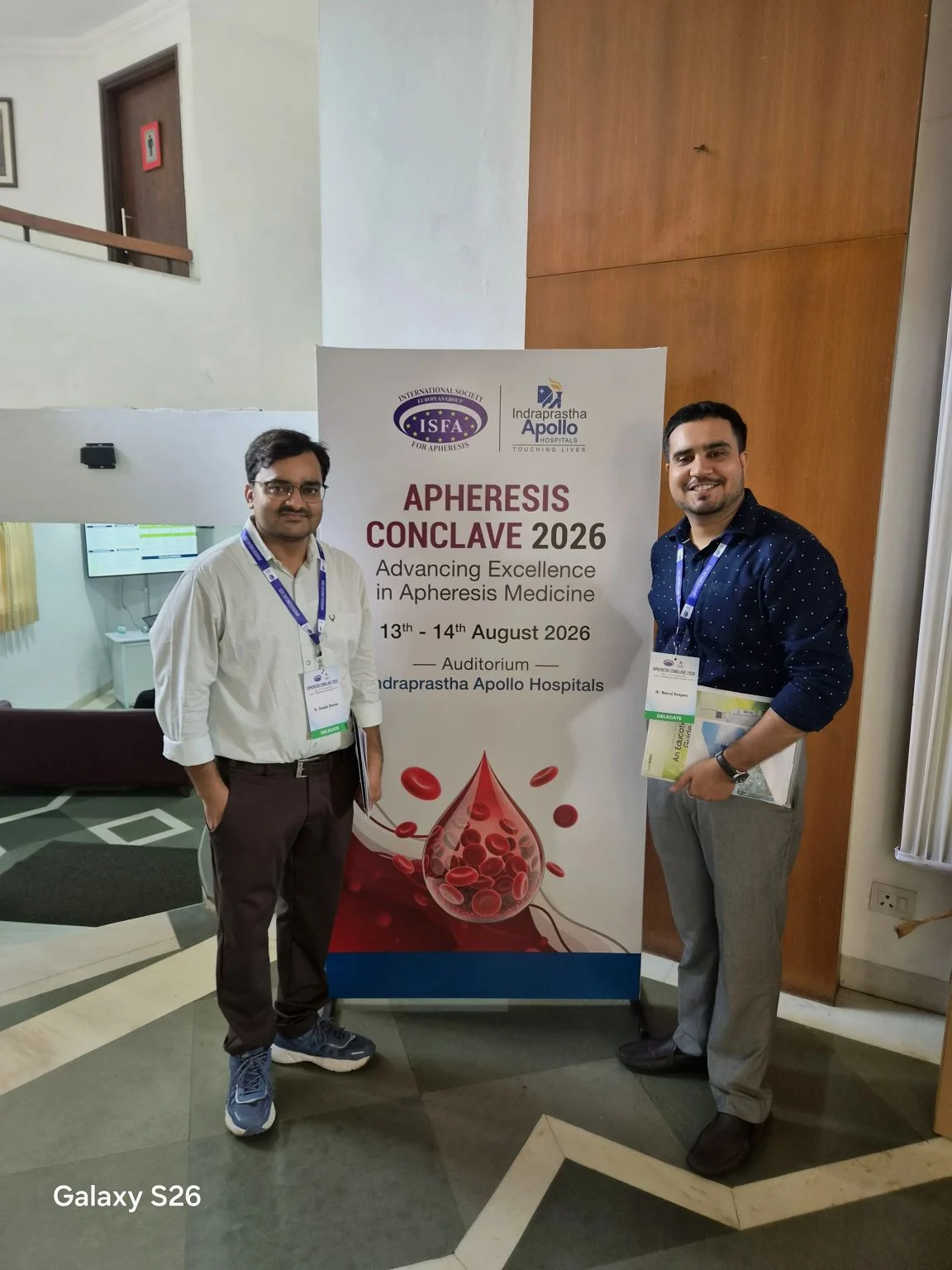
Presented at Apheresis conclave 2026, Apollo Hospital Delhi
Thank you Mohit Chowdhry sir and Dr. (Prof.) Soma Agrawal ma’am for this apportunity
I am pleased to share my clinical experience of managing a severe case of Guillain–Barré Syndrome (GBS), Acute Motor Sensory Axonal Neuropathy (AMSAN) variant, with Therapeutic Plasma Exchange (TPE).
A 54-year-old female presented with fever, vomiting and diarrhea followed by rapidly progressive ascending weakness, upper-limb sensory symptoms and urinary retention. On examination, lower-limb power was 1 out of 5 and upper-limb power was 4 out of 5, with absent deep tendon reflexes. CSF showed albuminocytological dissociation, and nerve conduction studies were suggestive of the AMSAN variant of GBS.
The patient had received IVIg at another hospital 5 days prior to TPE. Considering the severity and ongoing neurological deficits, a course of 5 alternate-day TPE sessions, with approximately one plasma volume exchanged per session, was performed using the Spectra Optia Apheresis System through right femoral venous access. 5 percent albumin with normal saline was used as replacement fluid, with ACD-A anticoagulation and calcium supplementation.
The five sessions were successfully completed. A transient episode of hypotension occurred during the first procedure and was managed conservatively. Laboratory monitoring during the course showed mild thrombocytopenia, reduction in total protein/albumin and electrolyte disturbances, including hypocalcaemia and hypokalaemia, which were appropriately monitored and managed.
Most importantly, progressive neurological improvement was observed. Lower-limb motor power improved from 1 out of 5 to 3 out of 5 after completion of the five TPE sessions, while upper-limb power remained at approximately 4 out of 5. The patient’s functional status also improved during follow-up.
This case reinforced for me the importance of:
- Early recognition of severe GBS
- Appropriate selection of patients for therapeutic plasma exchange
- Close haemodynamic and laboratory monitoring during TPE
- Vigilant management of citrate-related electrolyte disturbances
- Monitoring neurological recovery objectively throughout treatment
- As a resident in Transfusion Medicine, this experience highlighted the crucial role of apheresis medicine in the multidisciplinary management of neurological disorders and the importance of close collaboration between Transfusion Medicine, Neurology and Critical Care teams.
Grateful to my teachers, seniors, colleagues and the entire apheresis and clinical team.
Keywords: Guillain–Barré Syndrome | AMSAN | Therapeutic Plasma Exchange | Apheresis Medicine | Transfusion Medicine | IVIg | Neurological Recovery”
Stay updated with Hemostasis Today.
-
Oct 12, 2026, 13:58Francisco Chacón-Lozsán: Catastrophic Antiphospholipid Syndrome A Rapidly Progressive Multiorgan Thrombotic Emergency
-
Oct 12, 2026, 12:50Nawsherwan Mohammad: Study Examines Thrombotic Events in Patients with Polycythemia Vera in Iraq
-
Oct 12, 2026, 12:30Chanakya Nayudu: Looking Beyond Blood Clots – Patient-Reported Outcomes in Antiphospholipid Syndrome
-
Oct 12, 2026, 12:12Jean-Jacques Kiladjian: Improving Treatment Strategies with JAK Inhibitors in Myelofibrosis
-
Oct 12, 2026, 12:04Chloe Homich: AABB Annual Meetings – Building Connections and Advancing Transfusion Medicine
-
Oct 12, 2026, 11:51Daniel Sop: Sickle Cell Research Takes Center Stage at ASCAT 2026
-
Oct 12, 2026, 10:36PAI-1 Inhibition as a New Strategy for Enhancing Fibrinolysis and Clot Resolution
-
Oct 12, 2026, 07:39Emmanuel J Favaloro: 100 Years of von Willebrand Disease and the Importance of Local Diagnosis and Management
-
Oct 12, 2026, 07:39Post-Stroke Fatigue Trajectories – 38% Recovered at 12 Months, While 16% Developed New Fatigue – International Journal of Stroke