

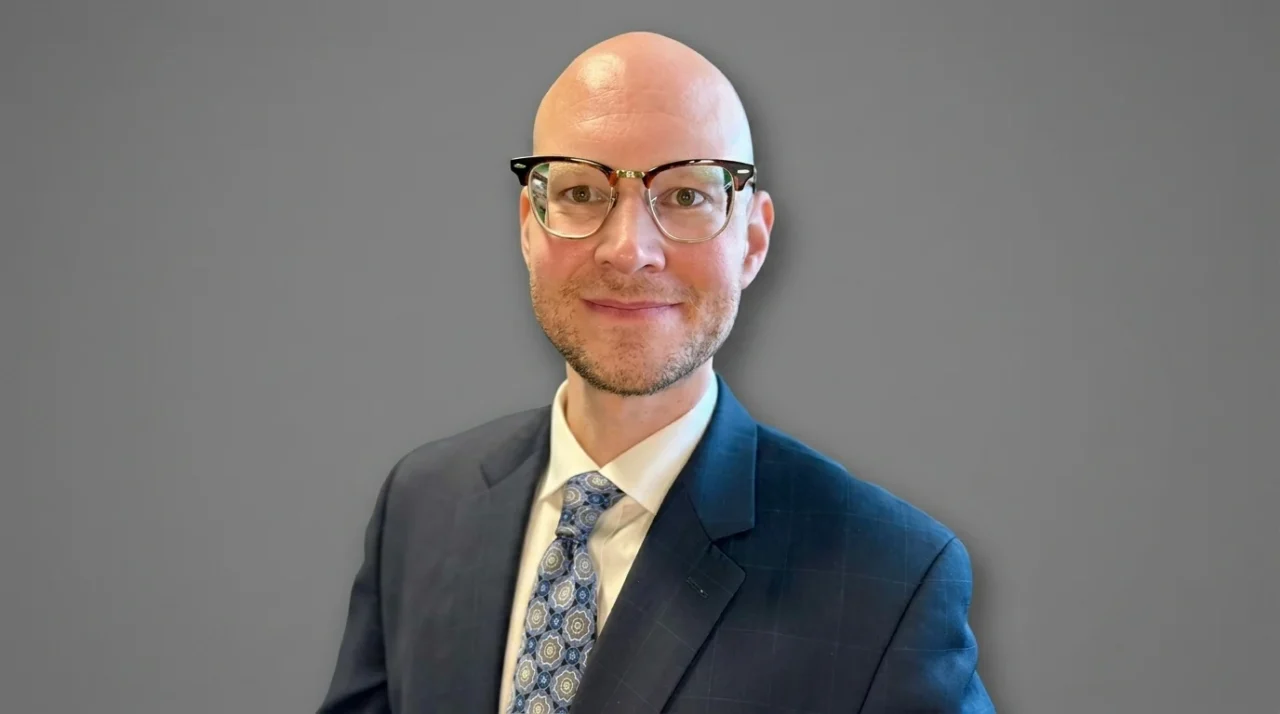
Jared Griffard: Hemorrhagic Shock and Component Blood Transfusion
Jared Griffard, Life Care Planner at JHG LCP, Trauma Surgeon at Kirk Kerkorian School of Medicine at UNLV, shared a post on LinkedIn:
“Hemorrhagic Shock Post 4: Component Transfusion Types
My last post talked about component vs. whole blood therapy, so let’s talk about the components
Blood is composed of red blood cells, plasma and platelets.
The plasma contains proteins, glucose, electrolytes, and clotting factors.
After donation of a unit of blood, it can be broken down into these components, and donation of plasma can be used to create fresh frozen plasma and cryoprecipitate.
Each serves a purpose:
- Packed RBCs provide oxygen-carrying capacity to the tissues.
- Fresh Frozen Plasma provides coagulation factors.
- Platelets provide primary hemostasis by creating scaffolding for a clot to form.
- Cryoprecipitate provides concentrated fibrinogen, Factor VIII, Factor XIII, and vWF, which are factors involved in the clotting cascade.
Prothrombin Complex Concentrate (PCC) is a concentrated clotting factor solution that can help with rapid vitamin K antagonist reversal (when applicable).
It is commercially available in 3 factor and 4 factor solutions.
Some of the direct oral anticoagulants also have directed antibody medications that can help bind them up and prevent their function if rapid reversal of anti coagulation is needed.
Massive transfusion protocols should activate early in exsanguinating patients.”
Stay updated with Hemostasis Today.
-
Oct 19, 2026, 13:36Shobhna Ladva: Aspen Pharma EME Raises Awareness of Blood Clot Risks During Hormonal Transitions
-
Oct 19, 2026, 13:11Giulia Furnari: Connecting With Global Hematology Experts at IACH 2026
-
Oct 19, 2026, 12:46Andrew Choong: Recognizing Thrombosis Before It Becomes Life-Threatening
-
Oct 19, 2026, 11:37Beth Faiman: APSHO Fellows Celebrated for Advancing Hematology and Oncology Practice
-
Oct 19, 2026, 11:26Emanuele Pacini: Myelodysplastic Syndromes Research Featured at JSH Annual Meeting in Kyoto
-
Oct 19, 2026, 10:57Jesmond Dalli: How Erythroblasts Shape Neutrophil Development and Function
-
Oct 19, 2026, 10:41Hisham Fahmi: SCD – Should Gene Editing Begin Before Organ Damage?
-
Oct 19, 2026, 10:33Pallavi Madhiraju: YARTEMLEA Faces Another European Rejection Despite FDA Approval
-
Oct 19, 2026, 10:28Brig Tathagata Chatterjee: Acute Leukemias in AYAs at the Japanese Society of Hematology Conference