


10 Posts Not to Miss This Week
This week’s posts highlight a broad and evolving landscape across hemostasis, hematology and transfusion medicine, bringing together new clinical evidence, emerging therapeutic approaches and insights into the biology underlying blood disorders.
From the long-term impact of emicizumab prophylaxis on joint health in people with severe hemophilia A to the recognition of circuit thrombosis and mechanical failure in pediatric ECMO, these discussions explore how advances in treatment must increasingly be considered alongside the complications and long-term outcomes that matter to patients.
New perspectives on therapeutic plasma exchange in Guillain-Barré syndrome, the molecular characterization of a rare Para-Bombay phenotype and the expanding role of comprehensive cardiac rehabilitation further demonstrate the breadth of modern blood and cardiovascular care, where technology, precision diagnostics and multidisciplinary approaches continue to shape clinical practice.
At the same time, educational initiatives such as a new introductory course in sickle cell disease highlight the importance of improving access to evidence-based knowledge, while emerging research into iron metabolism and immune function points toward increasingly interconnected views of hematology and immunology.
From fibrin’s role in hematopoietic recovery after chemotherapy to the recognition of emicizumab’s transformative impact on hemophilia care and new evidence in antiphospholipid syndrome, these posts offer a closer look at discoveries, clinical challenges and innovations shaping the future of hematology and hemostasis.
Ilenia Calcaterra, Consultant Physician in Internal Medicine and Assistant Professor at the University of Naples Federico II:
“Beyond bleeding control: what happens to joint health during emicizumab prophylaxis?
Pleased to share the results of the RESOLVE Study, now published in Haemophilia.
In this multicentre real-world study, we evaluated the longitudinal evolution of joint health in adults with severe haemophilia A after switching to emicizumab, combining clinical assessment with point-of-care ultrasound and HEAD-US.
After at least 2 years of prophylaxis, emicizumab was associated with a marked reduction in bleeding, with 76.9 percent of patients reporting zero joint bleeds.
But the most interesting finding came from the ultrasound assessment: among joints with hypertrophic synovium at baseline, 53.7 percent showed improvement or complete resolution.
At the same time, persistent synovial hypertrophy remained detectable in a relevant proportion of joints, particularly in the presence of pre-existing osteochondral damage.
As treatment efficacy continues to improve, our focus should increasingly move beyond ABR, integrating imaging-based surveillance, musculoskeletal assessment and individualized strategies aimed not only at preventing bleeding, but at preserving and whenever possible restoring joint health.
A great collaborative effort involving the haemophilia centres of Naples, Rome and Catanzaro.”
Alejandro González Veliz, Interventional Cardiologist at Institute of Cardiology and Cardiovascular Surgery:
“Cardiac rehabilitation is no longer simply ‘exercise after a heart attack.’
The 2026 ESC Guidelines emphasize cardiac rehabilitation as a comprehensive, patient-centred intervention that combines exercise training with risk-factor management, nutrition, psychological care, medication optimization, physical activity, and long-term lifestyle support.
Its indications extend far beyond ACS, including chronic coronary syndromes, HFrEF and HFpEF, valve interventions, AF, ICD/CRT, congenital heart disease, frailty, and other cardiovascular conditions.
Early initiation matters, when clinically safe.
And delivery is evolving: centre-based, home-based, telerehabilitation, and hybrid models can all play a role.
The key message: rehabilitation is not the final step after cardiovascular treatment – it is part of the treatment itself.”
Maxime Dely, Therapeutic Solutions Sales Consultant at Terumo Blood and Cell Technologies:
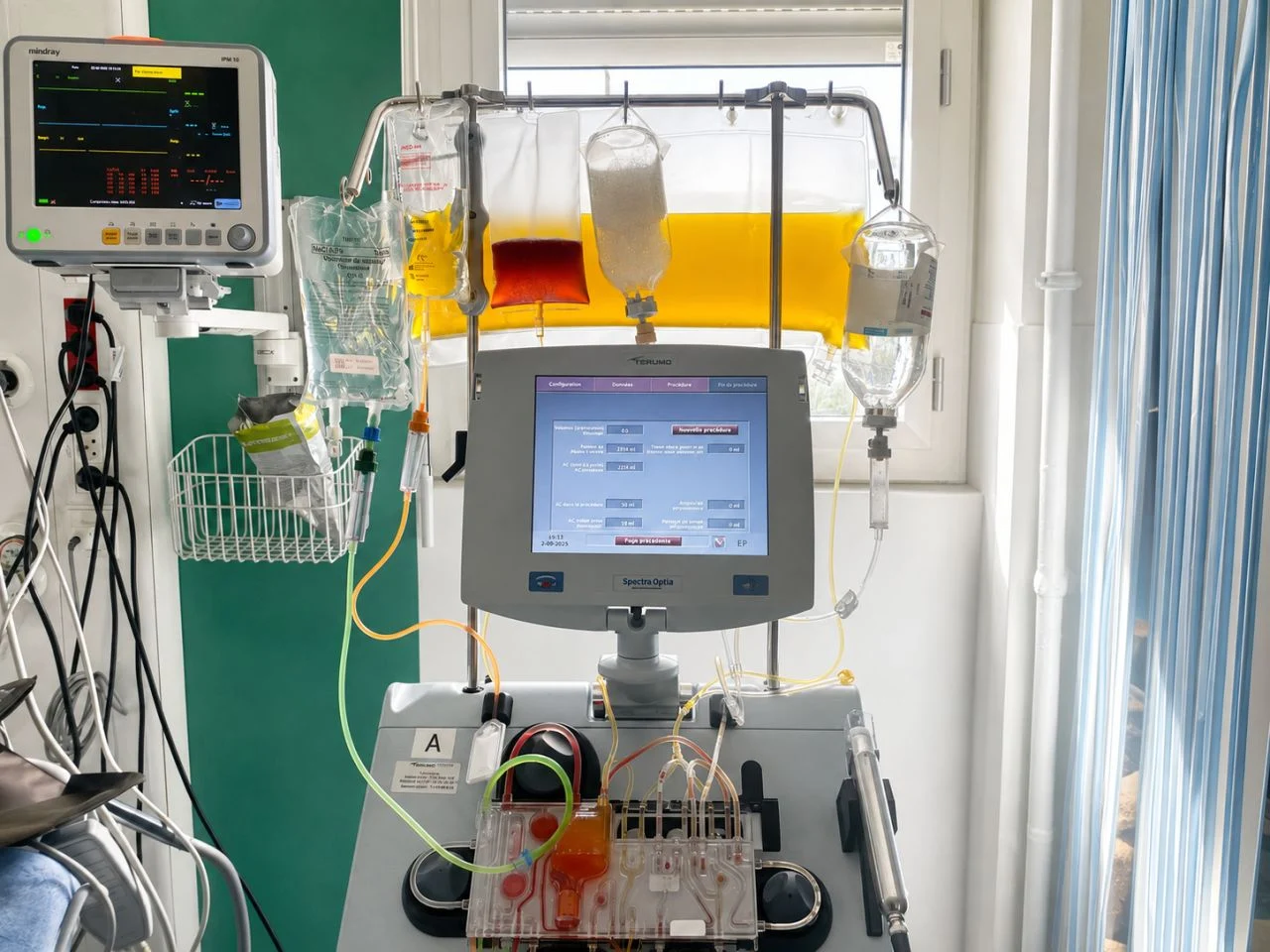
“Guillain-Barré syndrome: what if the key lies in the plasma?
Guillain-Barré syndrome is an acute inflammatory neuropathy in which autoimmune mechanisms target the peripheral nervous system. Depending on the subtype, autoantibodies, immune complexes, and inflammatory mediators contribute to axonal or demyelinating injury.
This is where therapeutic plasma exchange becomes particularly relevant.
Through blood component separation, notably by centrifugation, apheresis enables the removal of a significant fraction of the patient’s plasma, which is then replaced with an appropriate substitution fluid.
The objective: achieve high plasma clearance within a limited number of sessions, rapidly reducing the concentration of circulating pathogenic factors.
This is the strength of apheresis: directly targeting the biological compartment that carries key mediators of the pathological immune response.
A separation technology that becomes a genuine therapeutic tool.
And behind every extracorporeal circuit, there is ultimately one goal: buying time when every hour matters.”
Dhargam Aljebouri, Laboratory Director at Clinical Immunology, Allergy and Transfusion Medicine – Specialized Immunosciences Laboratory:
“Proud to share that our case report (First molecularly characterized Para-Bombay phenotype in Iraq: Clinical, serological and genetic insights with implications for transfusion safety), has now been published in Transfusion (The Journal of AABB).
This represents the first molecularly characterized Para-Bombay phenotype reported from Iraq and, to the best of my knowledge, the first published molecularly characterized Para-Bombay case from the Arab world.
This work highlights the value of integrating advanced immunohematology, secretor studies and molecular characterization of FUT1/FUT2 to improve recognition of H-deficient phenotypes and transfusion safety.
My sincere thanks to all co-authors for their valuable contributions and collaboration throughout this work, with special appreciation to the team of the Specialized Immunosciences Laboratory, Al-Moayed Medical Network for their dedicated technical support and laboratory efforts.
I dedicate this publication to the memory of my beloved sister, Zahraa.
A meaningful contribution to rare blood group science and transfusion medicine from Iraq.”
Tessa Youngner, Program Coordinator, Global Hematology at St. Jude Children’s Research Hospital:
“Exciting news from the St. Jude Children’s Research Hospital Global Hematology Program – the new ‘Introduction to Sickle Cell Disease’ e-course is now live!!!
This free e-course offers providers, caregivers, and warriors evidence-based guidance on comprehensive, lifespan SCD management.
Designed as an animated story, learners will follow the life of a child born with SCD, ‘gift’, as she navigates common clinical, psychological, and social complications with the help of her health care team and caregivers.
Learners who successfully complete the course will receive a certificate of completion.
To access this free course, please:
- Register for, or log into your, Cure4Kids account.
- Enroll in the ‘Introduction to Sickle Cell Disease’ course.
We are excited to share this educational tool with our global sickle cell disease community and celebrate the great strides being made to improve care.
Happy Sickle Cell Awareness Month!!!”
Marta Velia Antonini, Hematologist, Perfusionist ECMO and NRP Specialist and Chair of the Normothermic Regional Perfusion EuroELSO Working Group:
“Circuit thrombosis and mechanical failure in children in ECMO analysis of the ELSO Registry, 2020 – 2024 higher than 20K pts low than 18 years: higher than21K runs/ higher than26K circuits circuit failure is equal to complication requiring circuit or component replacement circuit failure common: 19.2% circuits, at least one replacement in 15.3% of runs median time to failure 129.5 hours neonatal age, low weight (low than 3 kg,) higher center volume, VA configuration, prior circuit failure associated with increased risk failure associated with significantly increased mortality (49% vs 34%), strongest effect in neonates.”
Kristy Henderson, Account Executive, Product Expert at Phoenix Creative Nutraceuticals, Glucoferrin Company:
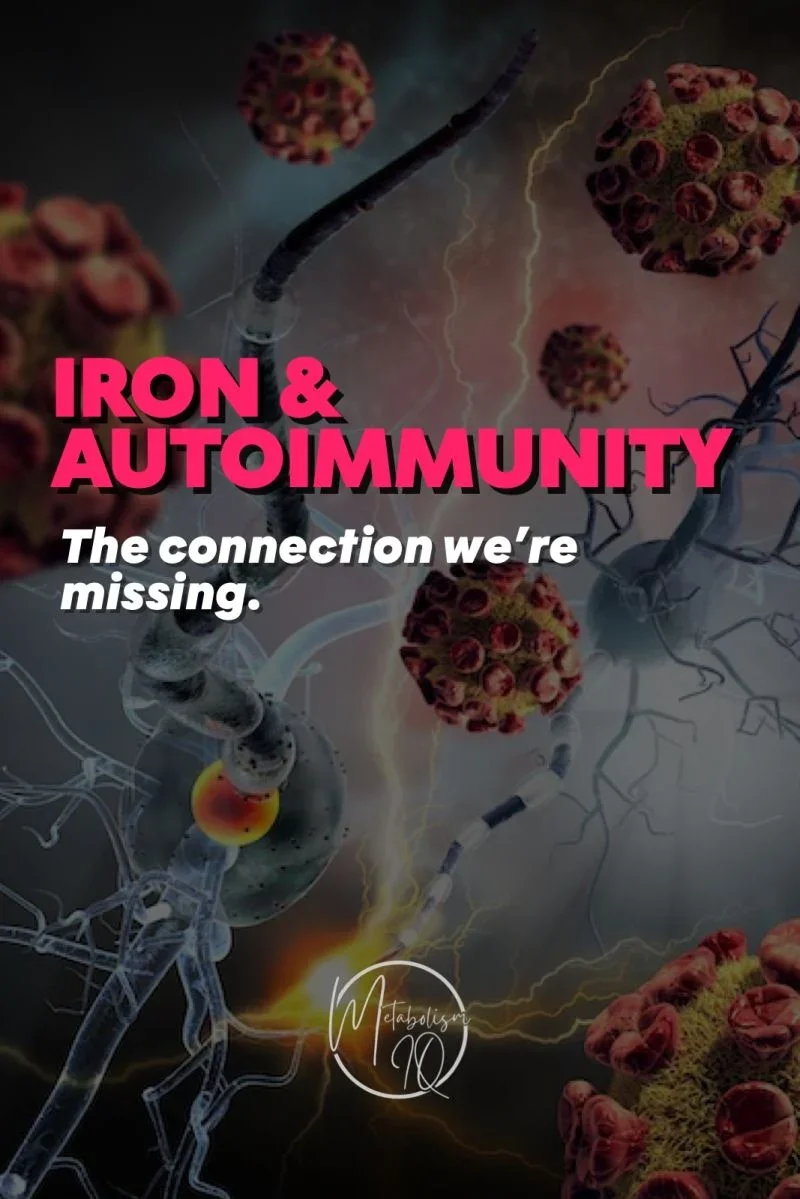
“We’ve been taught to think about autoimmune disease as one simple story:
‘The immune system attacks the body.’
But that leaves out a huge part of the biology.
The immune system doesn’t exist in isolation.
It is made up of metabolically active cells that depend on tightly regulated iron, amino acids, proteins, energy production and redox balance.
And here’s what caught my attention:
- Iron doesn’t only affect red blood cells.
Research shows that iron stress can affect neutrophil function, leukocyte survival, bone-marrow progenitor cells, T-cell function and B-cell biology.
Even more interesting?
Iron can interfere with AID, an enzyme B cells need for antibody class switching and maturation.
And iron-dependent ferroptosis is now being investigated in immune cells and autoimmune disease, including lupus.
So perhaps the question shouldn’t only be:
- ‘Why is the immune system attacking itself?’
Maybe we should also be asking:
- ‘What is happening inside the environment in which the immune system is trying to function?’
Because immune function is metabolic function.
Iron homeostasis matters.
Oxidative stress matters.
Glutathione matters.
Amino-acid biology matters.
And immune tolerance matters.
I’m not saying iron overload explains every autoimmune disease.
I’m saying the evidence is strong enough that iron metabolism deserves a much bigger seat at the table.
And honestly…
I’ve avoided this conversation for too long.”
Lakmali Silva, Assistant Professor at Harvard School of Dental Medicine:
“Excited to share our newly published work in Blood Advances: ‘Plasmin-mediated fibrinolysis plays a critical role in hematopoietic recovery after 5-FU-mediated myeloablation.’
We show that fibrin accumulates in the bone marrow following chemotherapy-induced myeloablation and that its timely clearance is critical for hematopoietic recovery.
When fibrinolysis is impaired, persistent fibrin limits marrow regeneration—an effect that can be rescued by reducing fibrinogen or disrupting fibrin engagement with the myeloid integrin αMβ2.
These findings identify fibrin not simply as a consequence of tissue injury, but as an active regulator of hematopoietic regeneration.
Very proud of the team and everyone who contributed to this work!”
Jan Hartmann, Senior Vice President, Chief Medical Officer at Haemonetics:
”Congratulations to the team led by Kunihiro Hattori, Takehisa Kitazawa, and Tomoyuki Igawa of Chugai Pharmaceutical on being awarded the 2026 Lasker-DeBakey Clinical Medical Research Award for their pioneering development of a bispecific antibody that revolutionized the treatment of Hemophilia.
First approved in 2017 and subsequently licensed by Genentech, emicizumab (Hemlibra) provided a transformative new treatment option for people living with hemophilia A.
Beyond its impact on patient care, its success demonstrated the potential of bispecific antibodies as a therapeutic platform and helped catalyze the development of this modality across a wide range of diseases.”
Christina Crossette-Thambiah, Haematology Specialist Registrar and Clinical Research Fellow at Imperial College London:
“It took us a very long time.
Having presented this work at ASH back in 2022 for various reasons it has taken a long time to see this to publication!
Big thank you to Professor Deepa Arachchillage, Prof Mike Laffan, HaemSTAR and the 15 NHS Trusts that contributed to one of the largest studies to date in Antiphospholipid Syndrome.
I want to make special mention of the late Richard Szydlo, senior biostatistician at Imperial College London who performed the initial analysis and then worked tirelessly to do further analysis even whilst in the midst of a very challenging time in his life.
A remarkable and generous individual.”
Stay updated with Hemostasis Today.
-
Sep 13, 2026, 08:13Selina Olwanda Ogweno: Expanding Access to Sickle Cell Care for Children and Young People
-
Sep 13, 2026, 08:02Alexandra Rickard: One Donation Can Make All the Difference
-
Sep 13, 2026, 07:41Global Study Defines ISTH BAT Reference Ranges in Children and Adolescents – JTH
-
Sep 13, 2026, 07:04Mohamed Abdelhadi: Sharing Our Latest Publication
-
Sep 13, 2026, 05:36Speaking Up When Women’s Health Concerns Are Dismissed – Haemophilia Foundation Australia
-
Sep 13, 2026, 05:16W. Alberto Sifuentes Giraldo: Dual Targeted Therapy Shows Promise in Refractory Systemic Autoinflammatory Diseases
-
Sep 13, 2026, 04:42Christopher Robinson: Early Pregnancy Oxylipins May Signal Risk of Fetal Growth Restriction
-
Sep 13, 2026, 04:22Gabriela Hobbs: 2026 Society of Hematologic Oncology Meeting
-
Sep 13, 2026, 03:40Mizinga Moonze: When Blood Speaks – The Missing Link in Healthcare Sustainability