

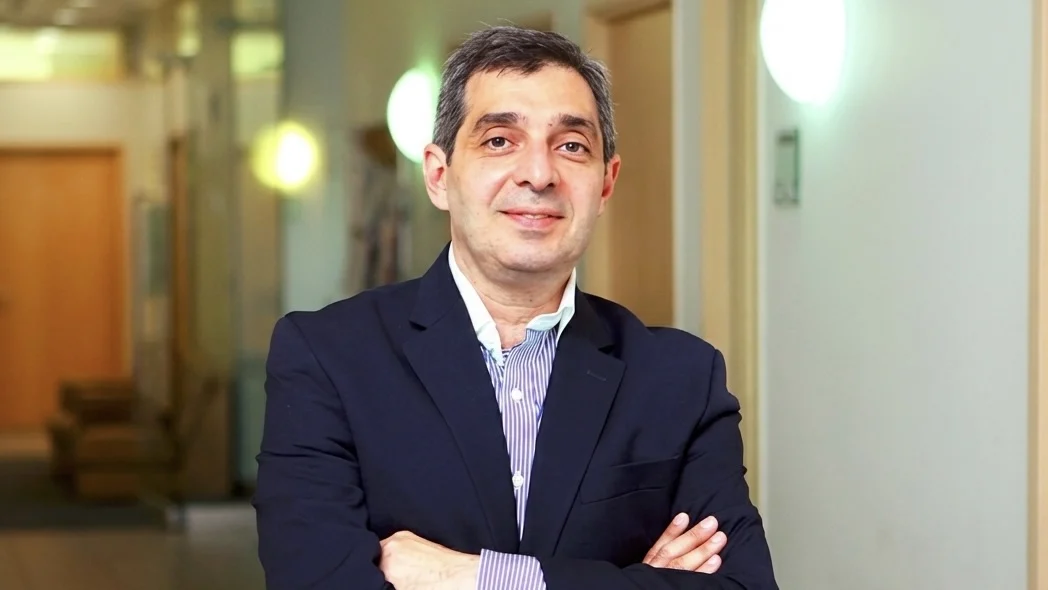
Gevorg Yaghjyan: How Surgical Intelligence Is Transforming Operating Rooms
Gevorg Yaghjyan, Project Leader at Parexel, shared Peter Schulam’s post on LinkedIn:
“This is a fascinating perspective on the future of surgery and the emerging concept of ‘Surgical intelligence.’
What stands out to me is the idea that AI should not simply automate individual tasks, but help transform surgery into a continuous learning ecosystem-where data from one procedure can inform the next.
The real opportunity, however, goes beyond technology. Connecting surgeons, hospitals, researchers, medical-device companies, and patients will require trusted data governance, interoperability, responsible AI, and a culture of collaboration.
This could be particularly powerful for academic medicine, where surgical data, clinical research, education, and innovation can come together to accelerate evidence-based improvements in patient care.
The question is no longer whether AI will enter the operating room – it is how we build the right ecosystem so that every procedure can contribute to improving the next one.
A very thought-provoking article and an important conversation for the future of surgery.
Read the J&J MedTech article: ‘The rise of surgical intelligence'”
Peter Schulam, Chief Scientific Officer at Johnson & Johnson, shared a post on LinkedIn:
For much of my career, I’ve been focused on a simple question: how can we reduce surgical variability and improve patient outcomes? I believe we’re entering a new era where AI, connected technologies, and multimodal data can help us answer that question.
In “Surgery’s Next Inflection Point: The Rise of Surgical Intelligence,” we explore how insights generated across the perioperative journey can help transform information into actionable insights that can support patients, clinicians and healthcare systems.
The report highlights a critical reality: realizing the promise of surgical intelligence requires more than advancements in technology. Shared definitions, trusted governance frameworks, interoperable data environments, and clinician-centered adoption will be essential to translating technological advances into meaningful impact.
I look forward to the important dialogue this report initiates across medicine, science, technology, and policy as we collectively shape the future of surgery.
Read the report”
Stay updated with Hemostasis Today.
-
Sep 14, 2026, 15:53Leonard Valentino: Advancing a New Model of Patient-Led Research
-
Sep 14, 2026, 15:48Adishwar Rao: LAAC vs Oral Anticoagulation in Atrial Fibrillation
-
Sep 14, 2026, 15:36Lesley Van Wyk: Hemolytic Anemia Quick Revision – Tips and Tricks
-
Sep 14, 2026, 15:35Maha Othman: ISTH-BAT Reference Ranges Validated Across Five Continents in Children
-
Sep 14, 2026, 15:30Umberto Pensato։ Left Ventricular Dysfunction and DOAC Benefit in ESUS
-
Sep 14, 2026, 15:22Meral Kayikcioglu: Why Do Women and Men Differ in LDL-C Management?
-
Sep 14, 2026, 15:22James Crowley: The Complex Role of CRP in Cardiovascular Risk and Atherosclerosis
-
Sep 14, 2026, 15:16Factor XIII Deficiency An Often-Missed Bleeding Disorder
-
Sep 14, 2026, 15:07Raffaele Piccolo: Heparin Against Jellyfish Venom?