

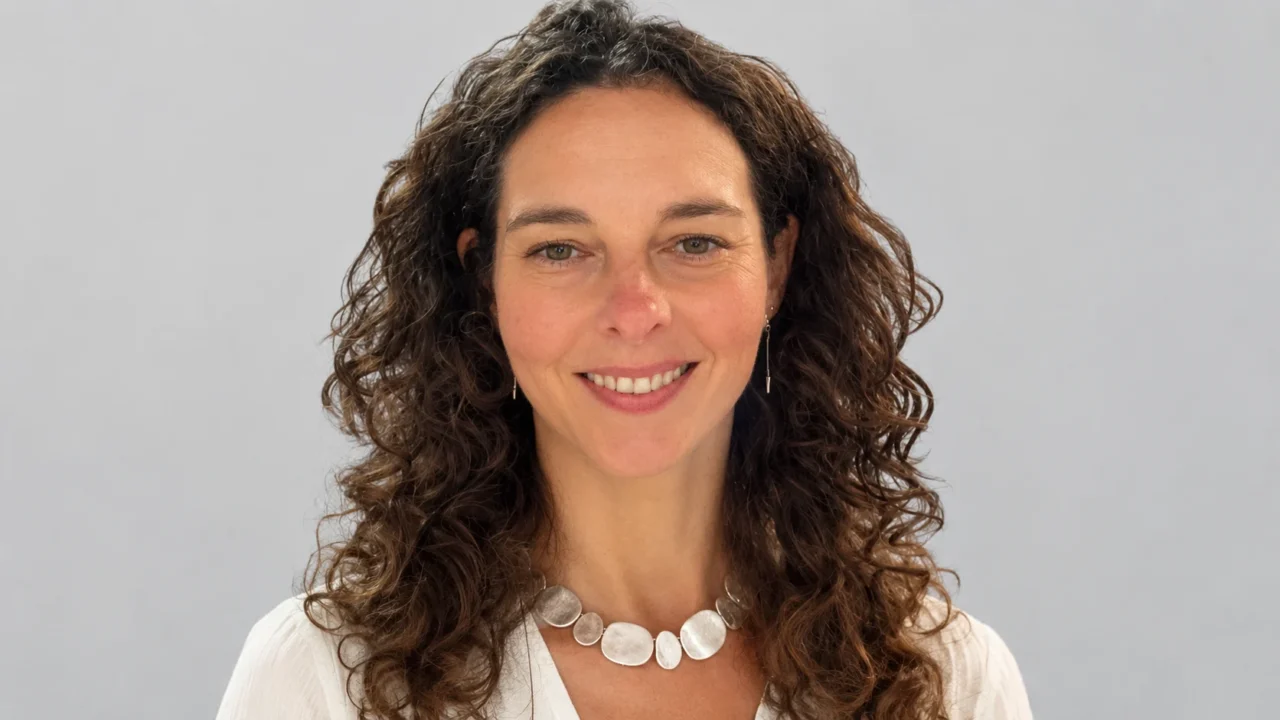
Clare Tower: 30 Times Higher Does Not Tell the Whole Story
Clare Tower, Member of Expert Advisory Committee Medico-Legal Knowledge Partnership (MLKP), Consultant Obstetrician and Maternal–Fetal Medicine Specialist at Manchester University NHS Foundation Trust, shared apost on LinkedIn:
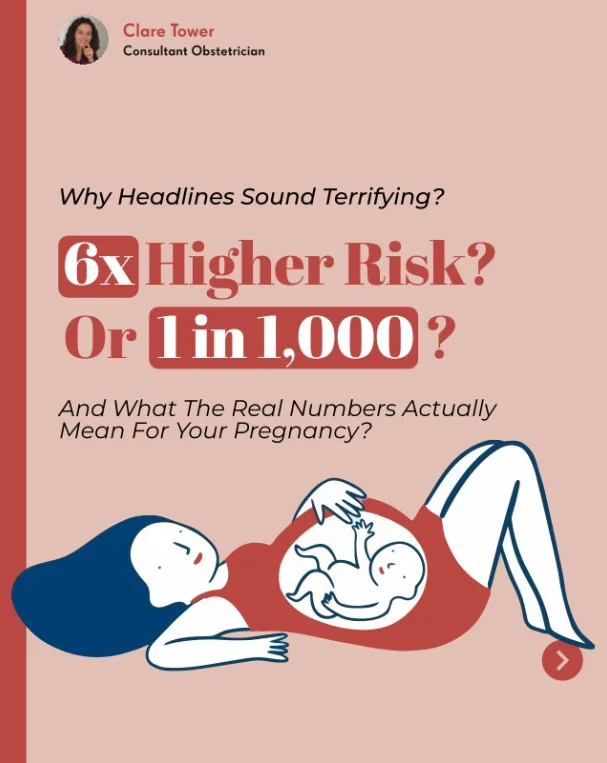
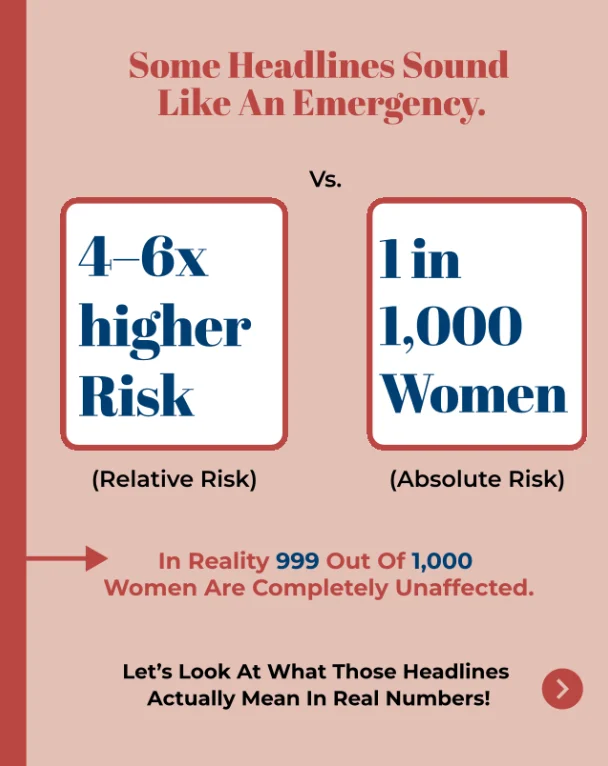
“The risk of a blood clot after birth is 30 times higher than during pregnancy. That sounds terrifying. It is also, in isolation, almost meaningless.
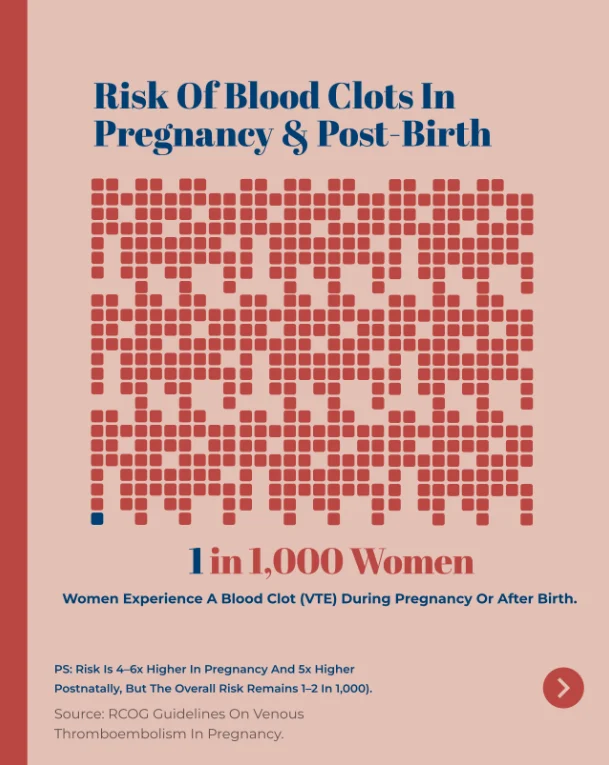
The absolute risk of a blood clot in pregnancy is around one in a thousand.
So when I say the postnatal risk is 30 times higher, what I am actually describing is a risk that remains, in absolute terms, very low.
But the minute you say 30 times higher, something happens in the room.
The woman in front of you hears 30 times and stops listening to everything else.
I see this play out constantly.
Women who are completely focused on one specific risk because of how it was framed, and who then find it almost impossible to hold the full picture of what their situation actually involves.
And I understand it.
The way the human brain processes statistics is not well suited to clinical consultations.
Half a percent means something different to every person who hears it.
Some will consider it high. Some will consider it negligible.
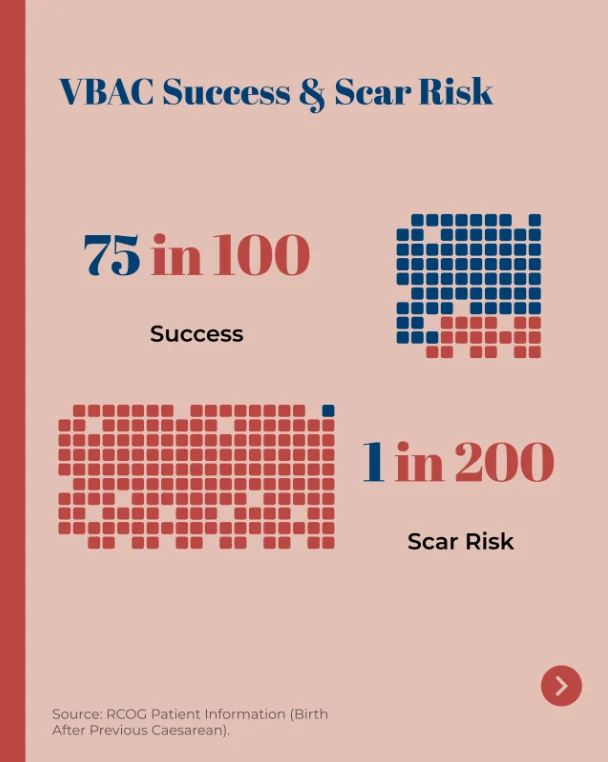
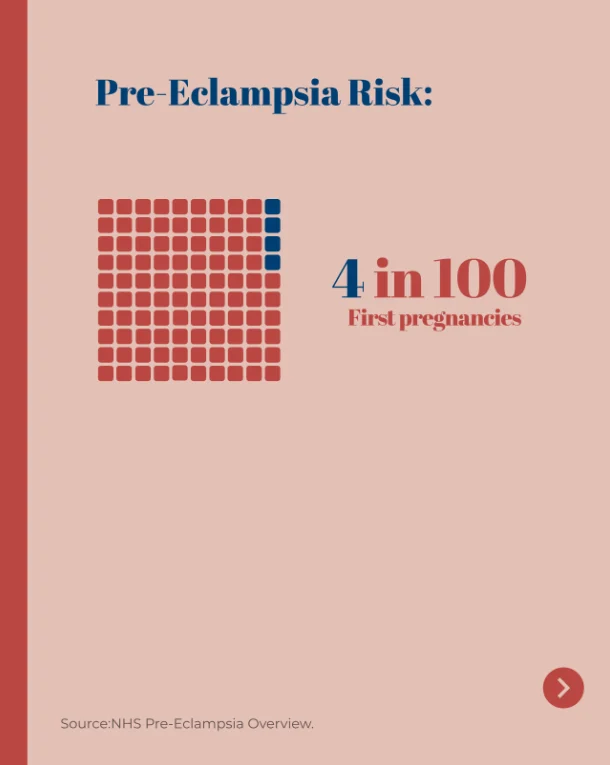
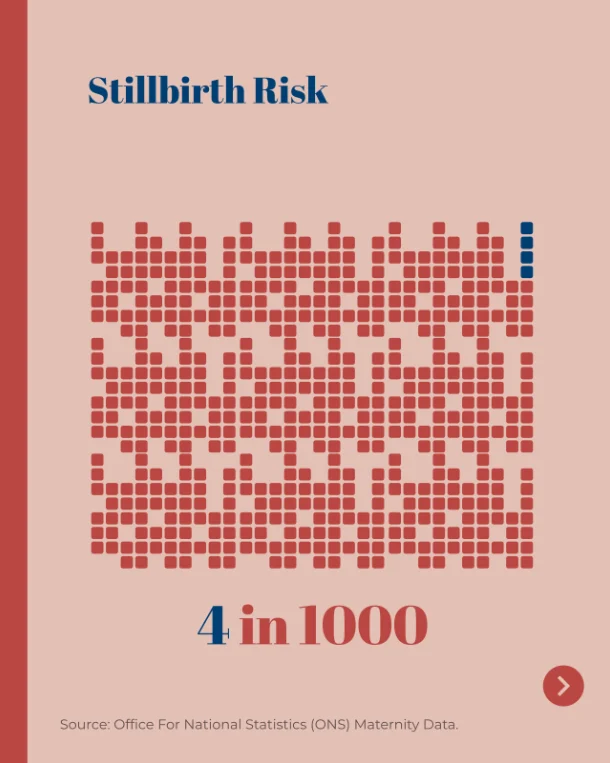
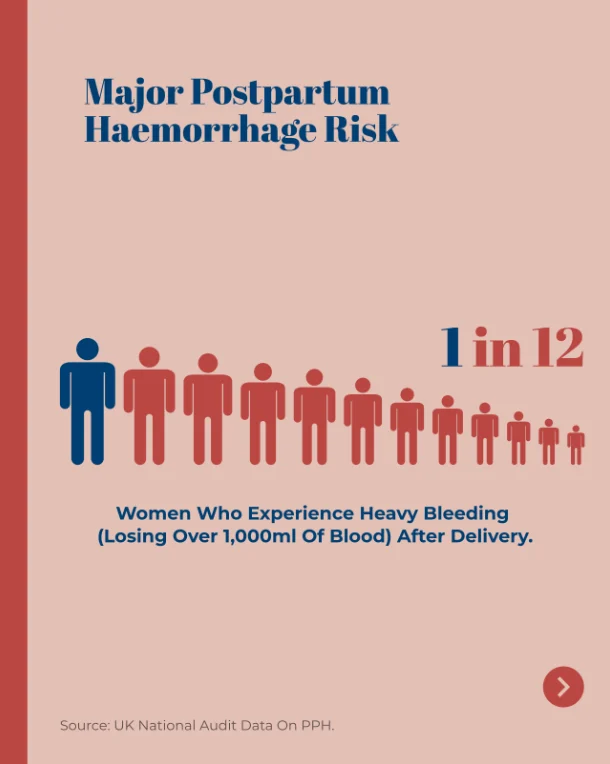
What works better is something more visual, more concrete.
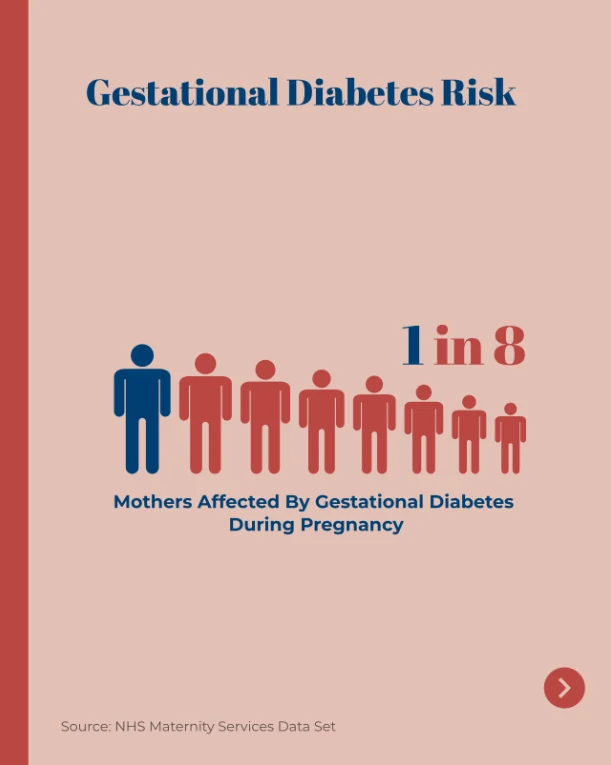
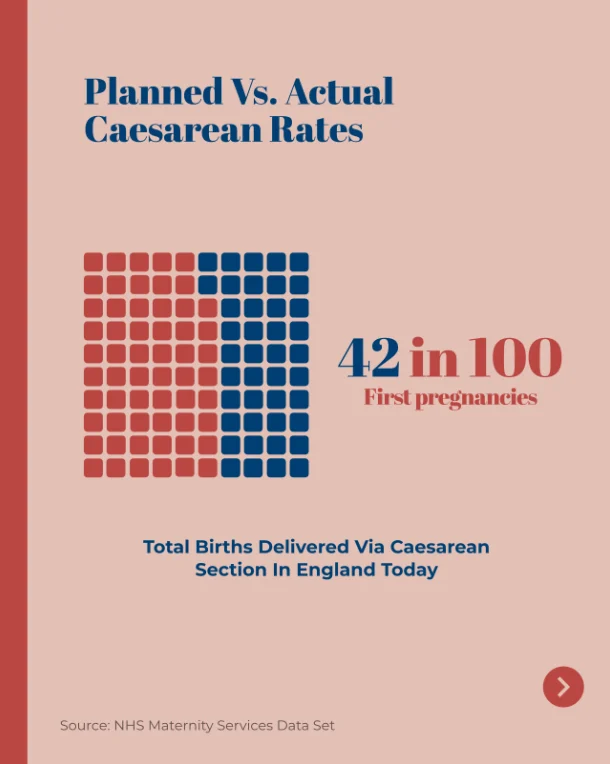
Tommy’s Baby Charity uses images of many small figures with one or two highlighted to show how many people out of a given number would be affected.
That kind of representation lands.
In clinic, I try to start by asking what the woman already understands before adding anything new. That one shift changes the entire shape of the conversation.
We have the data, but we often do not have the tools to make it genuinely understandable.
And we cannot keep presenting risks in ways that distort rather than inform.
Do you think the way we communicate statistical risk to patients needs a fundamental rethink?”
Stay updated with Hemostasis Today.
-
Sep 15, 2026, 17:33Reza Shojaei: Blood and Plasma Donors Are Not a Production Metric
-
Sep 15, 2026, 17:32Thomas Dayspring: MHT for Vasomotor Symptoms May Also Offer Cardiovascular Benefits
-
Sep 15, 2026, 17:31Rebecca Risman: Deciphering the Mechanisms of Fibrinolysis in Contracted Clots
-
Sep 15, 2026, 17:29Erica Wood: Looking Forward to the Webinar on Future Directions in Haemovigilance
-
Sep 15, 2026, 17:28Caitlin Raymond: Can an Antibody Screen Tell You If a Transfusion Will Actually Hurt Your Patient?
-
Sep 15, 2026, 17:28Rachel Margolis-Goodman: When Conventional Treatment Could Not, Research Found an Answer
-
Sep 15, 2026, 17:27Carly Newton: Closing the Gap in Sickle Cell Disease Readmissions
-
Sep 15, 2026, 17:26Jared Rice: Understanding Extreme Platelet Counts in Preterm Infants
-
Sep 15, 2026, 17:25Gregg W. Stone: OCT-Guided PCI Reduces Stent Thrombosis in Patients With Diabetes