

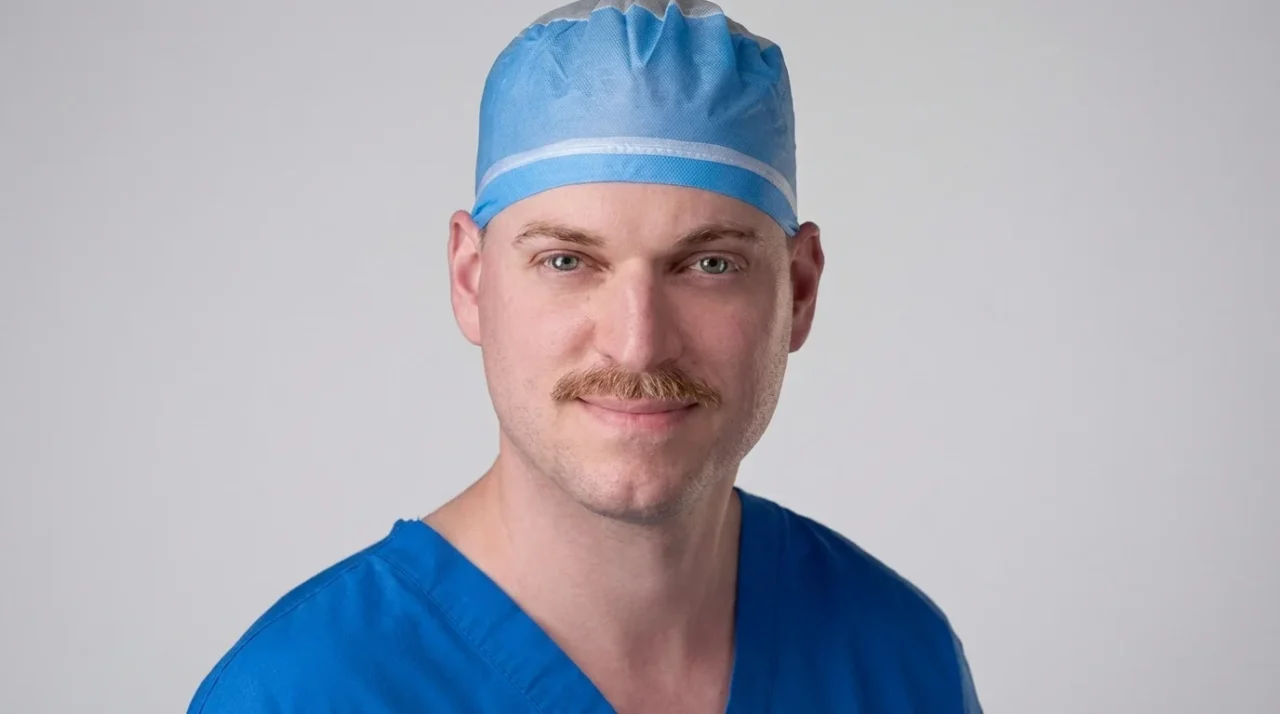
Sebastian Mafeld: Has 2026 Changed How We Treat Pulmonary Embolism?
Sebastian Mafeld, Interventional Radiologist, Radiology Site Director – Toronto Western Hospital at University Health Network, Associate Editor Canadian Association of Radiologists Journal at Canadian Association of Radiologists, Interventional Radiologist at Mount Sinai Hospital (Toronto), Sinai Health, shared a post on X:
“I thought I understood where PE treatment was heading. Then 2026 happened.
Two randomized trials of catheter-directed thrombolysis (CDT) vs anticoagulation appeared in NEJM:
- HI-PEITHO
- PRAGUE-26
Both trials found lower rates of their respective early composite endpoints with CDT plus anticoagulation compared with anticoagulation alone (please see trials for details and make your own interpretation).
But these studies have had me thinking: What should this data mean in 2026?
Technology in PE has evolved incredibly quickly.
Perhaps faster than our ability to work out exactly how best to use it.
There are still some fascinating considerations for CDT:
- What if CDT could move out of the ICU?
- Could treatment become shorter and use even less thrombolytic?
- Can we identify patients who need immediate clot removal versus those in whom several hours of thrombolysis is acceptable?
- Could advances in AI and PA waveform analysis during CDT offer new benefits?
- Is a catheter needed at all? (some answers may come in PEITHO-3)
Two randomized trials have put CDT back into the conversation. I’ve had so many emails and questions about it.
We have more ways to treat PE than ever.
How should we choose between them?
Not medical advice or an endorsement of any treatment.”
Title 1: Ultrasound-Facilitated, Catheter-Directed Fibrinolysis for Acute Pulmonary Embolism
Authors: Kenneth Rosenfield, Frederikus A. Klok, Gregory Piazza, Andrew S.P. Sharp, Fionnuala Ní Áinle, Michael R. Jaff, Stefano Barco, Samuel Z. Goldhaber, Nils Kucher, Irene M. Lang, Irene Schmidtmann, Keith M. Sterling, Aleksander Araszkiewicz, Vishal Arora, Rafael Cires-Drouet, John Coghlan, Lukas Hobohm, Wulf D. Ito, Kurt Jacobson, Christoph Kaiser, Grzegorz Kopec, Kristin Marx, Samuel McElwee, Nicolas Meneveau, Peter Monteleone, Jose M. Montero-Cabezas, Christoph B. Olivier, John Park, Marek Roik, Rahul Sakhuja, Andi Tego, Markus Theurl, Gautam Visveswaran, Jan Albert Vos, Michael N. Young, Federico M. Asch, Stavros V. Konstantinides
Read the Full Aricle on NEJM
Title 2: Catheter-Directed Thrombolysis in Intermediate-High–Risk Pulmonary Embolism
Authors: Josef Kroupa, Martin Radvan, Jan Mrozek, Martin Sluka, Stepan Jirous, Ota Hlinomaz, Milan Pliva, Jan Pudil, Hana Voberkova, Karolina Bartoskova, Martin Poloczek, Martin Kamenik, Michal Brabec, Eva Lichnerova, Martin Hutyra, Ivo Bernat, Martin Novak, Johana Horakova, Lucie Jelinkova, Tomas Knize, Petr Tousek, Cyril Stechovsky, Filip Varhanik, Zdenek Coufal, Jiri Jarkovsky, Viktor Kocka
Read the Full Aricle on NEJM
Stay updated on all scientific advances with Hemostasis Today.
-
Sep 20, 2026, 01:16Pall T. Onundarson: DOACs – Monitoring, Tailoring Dose and Identifying Problems
-
Sep 20, 2026, 01:15Thierry Fumeaux: From Efficacy to Effectiveness – The Value of Real-World Evidence
-
Sep 20, 2026, 01:14Said El Shamieh: VEGFA Genetic Variants and Bleeding Risk During Warfarin Therapy
-
Sep 20, 2026, 01:04Omar Danoun: Levetiracetam May Increase Thromboembolic Risk With DOACs
-
Sep 20, 2026, 01:02Mohamed Abo-Aly: Which Antiseizure Medication is Safest for Patients on DOACs?
-
Sep 20, 2026, 00:58Hamza Rafiq: How Does a Deep Vein Thrombosis Become a PE?
-
Sep 20, 2026, 00:50A Shared Platelet Factor 4–Targeted Immune Mechanism in Adenovirus Infection – NEJM
-
Sep 20, 2026, 00:46Julia R. Coleman: Platelet Biology and Sex Differences in the Plasma Milieu at AAST 2026
-
Sep 19, 2026, 18:03Manisha Madkaikar: Clinical, Hematological, and Molecular Features of Sickle β-Thalassemia