


Miguel Teran: Ultrasound and Simulation in Arterial Blood Sampling
Miguel Teran, Anesthesiologist at Hospital Luis F. Nachón and Secretariat of Health, shared a post on LinkedIn:
“Ultrasound and Simulation in Arterial Blood Sampling
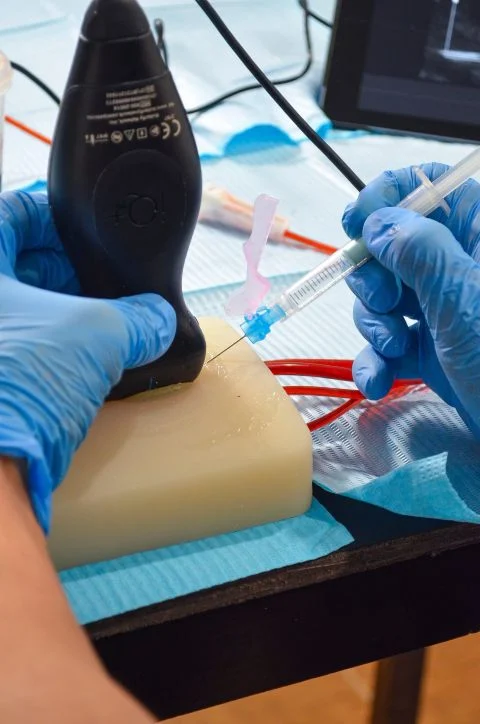
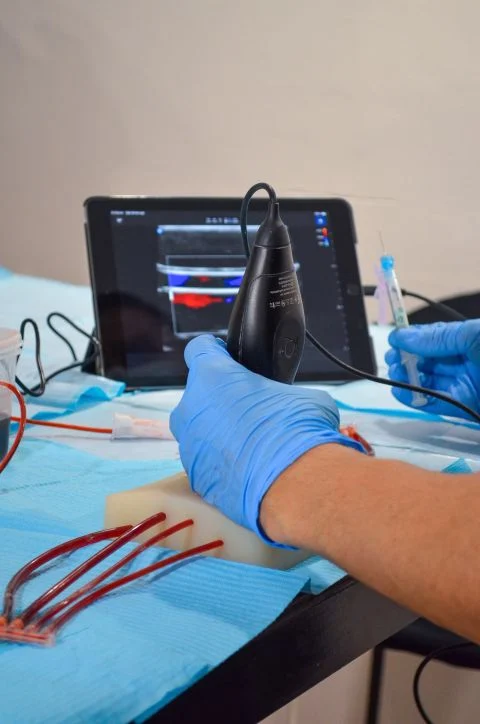
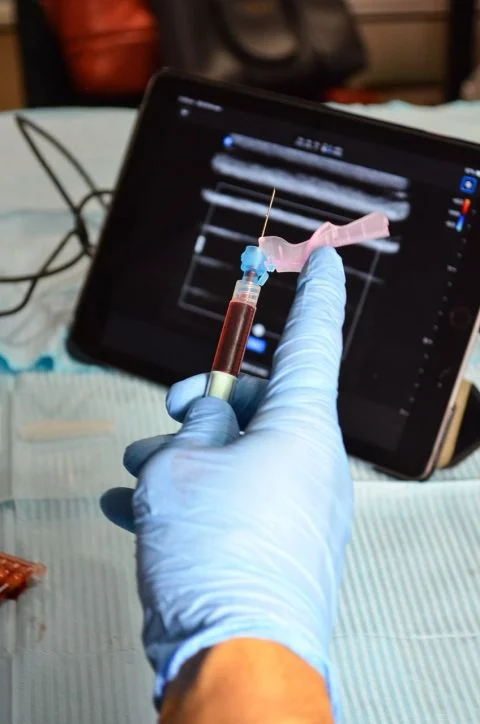
In patients with difficult arterial access, ultrasound can be a valuable tool for vessel identification and more precise arterial puncture.
Vascular simulation provides a safe environment to practice needle–probe coordination, needle-tip visualization, and in-plane and out-of-plane techniques before applying them in clinical practice.
From October 5–7, 2026, in Paraguay, we will put these concepts into practice during a hands-on workshop on ultrasound-guided arterial blood sampling and the preanalytical phase of blood gas analysis.
These topics will also be addressed in the upcoming Latin American Clinical Practice Guideline for Arterial Blood Gas Sampling, currently being developed with the participation of experts from several Latin American countries.
Simulation. Practice. Standardization. Patient safety.”
Stay updated with Hemostasis Today.
-
Nov 15, 2026, 23:44Pablo César Spada: Prevention of Venous Thromboembolism After Total Hip or Knee Replacement
-
Nov 15, 2026, 23:30Eshal Amir: Factor XI Inhibitors in AFib and Aortic Mortality Trends
-
Nov 15, 2026, 23:19Hamza Bashir: Adding Endovascular Therapy to Anticoagulation Cuts Moderate-to-Severe PTS in Half
-
Nov 15, 2026, 23:06Lanre Tunji-Ajayi: 2 Days of Deliberative Dialogue Hosted by the Network of Rare Blood Disorder Organizations
-
Nov 15, 2026, 23:00Fanny Delettre: Looking Back at Volunteer Blood Donor Friends Day
-
Nov 15, 2026, 20:56Victoria Adedoyin Adisa-Thomas: What I Learned About SCD During My Genetic Counselling Rotation
-
Nov 15, 2026, 20:55Martin Holst Lange: One Step Closer to a Potential New Treatment for Sickle Cell Disease
-
Nov 15, 2026, 20:53Bontha Babu: Health-Related Quality of Life Among Adults with Sickle Cell Disease in India
-
Nov 15, 2026, 20:52Miguel Ángel Herrera Rojas: A First-Line ITP Approach Presented at ASH in 2013 Now Reflected in the 2026 Guidelines